

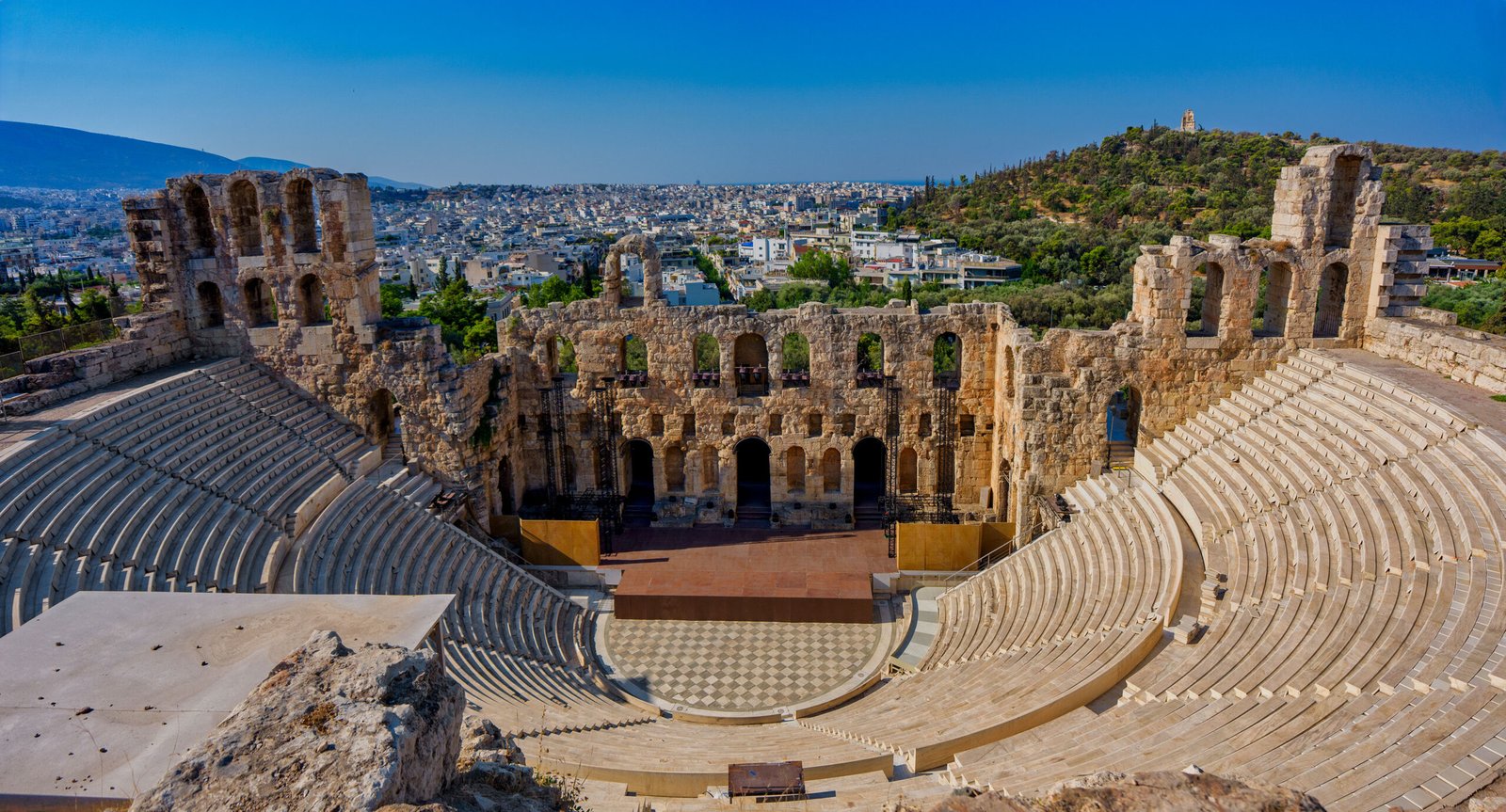
Theatre Dionysus
Beneath the Acropolis lies an ancient theatre known as the Theatre of Dionysus. Today, it is no longer used as it once was and is better known as a cultural site, although it is occasionally still used for special events. Yet when standing there, it is difficult to imagine that this quiet place was once a gathering space for thousands of people.
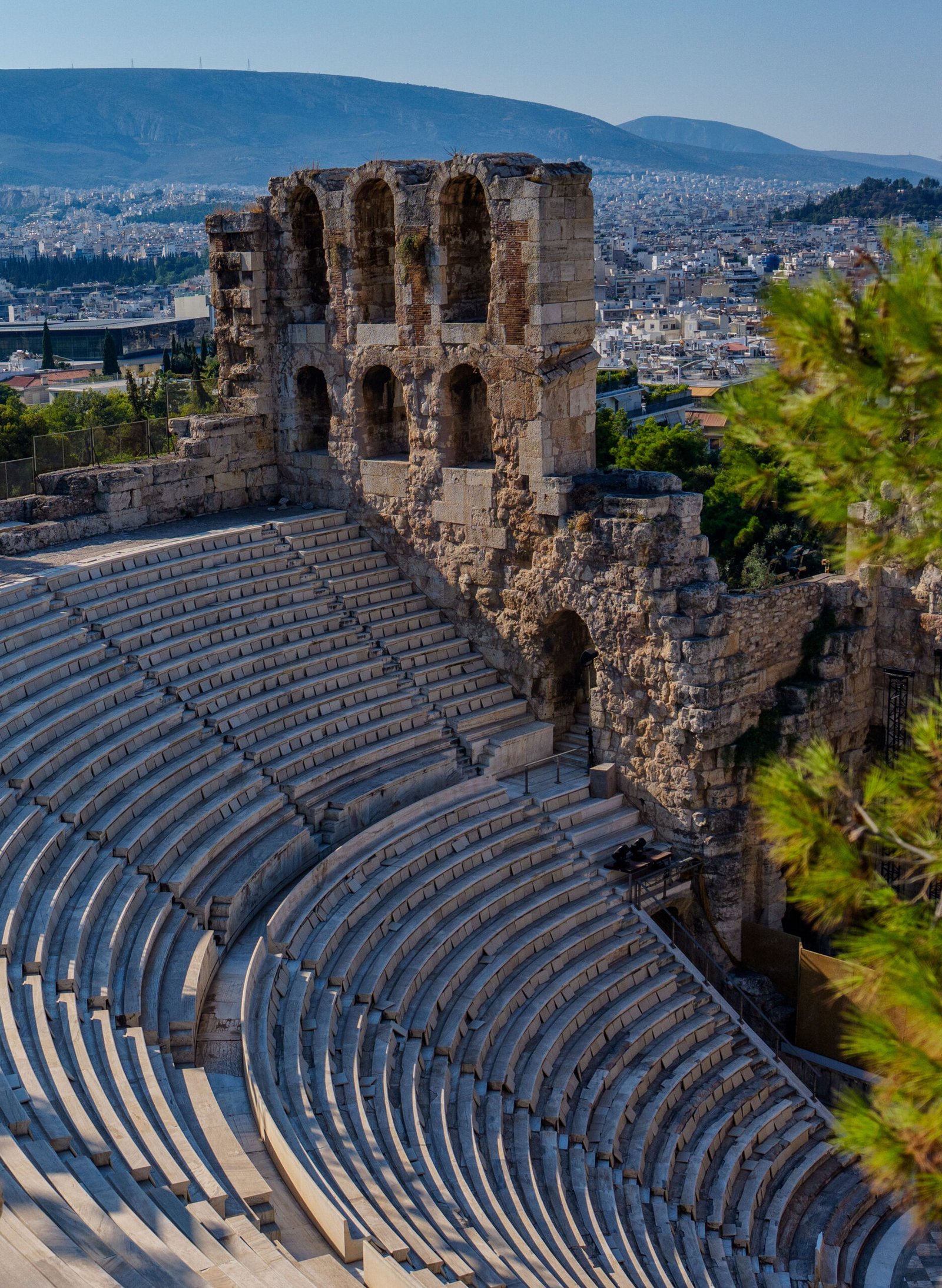
In the 5th century BC, Athenians came here to watch tragedies and comedies. These plays were not merely entertainment, but stories about human life, about choices, mistakes, responsibility, relationships with others, and also with the gods. Names such as Sophocles, Aeschylus, and Euripides were once performed here, before an audience of around fifteen to seventeen thousand people seated together along the same stone slope that I now see.
Stories of tragedy helped Athenian society reflect on living together, on justice, human error, pride, and moral choices that were often not simple. The theatre became a space for learning through stories. People came not only to watch, but to understand something about their own lives. They sat together, witnessing stories that were sometimes heavy and painful, yet precisely because of that felt close and real.
Meanwhile, comedy did not only make people laugh. It offered a way to see life with honesty yet with lightness, as if reminding that humans do not always need to take themselves too seriously. Within laughter, there is a distance that allows people to look back at themselves more calmly.
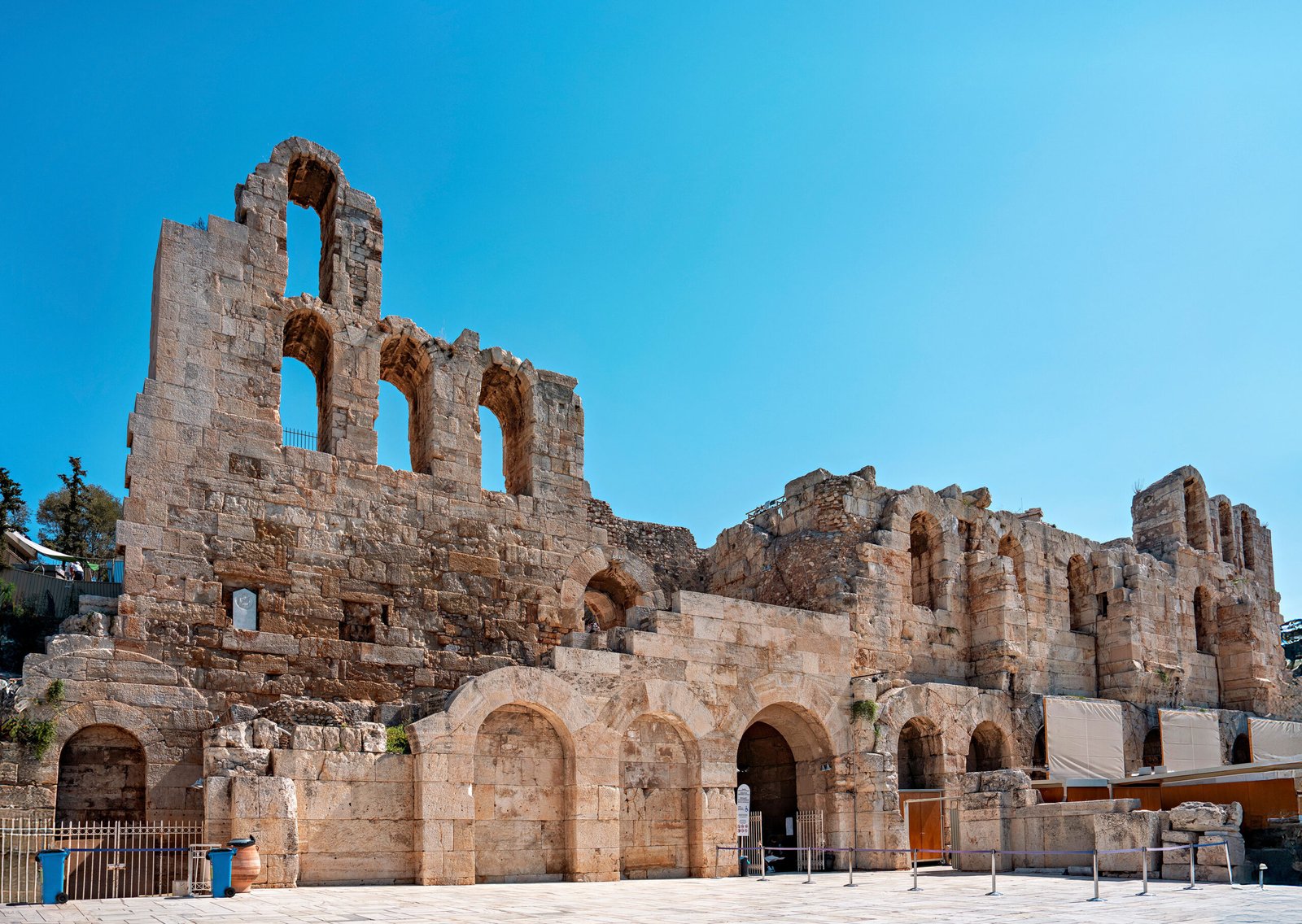
For that reason, the position of this theatre beneath the Acropolis feels meaningful to me. On the hill above stand temples for the gods, while below lies a theatre for humans. It feels as if, from the beginning, Athens offered two spaces at once, a space for the divine, and a space for understanding human life.
Standing there, I do not feel as though I am looking at the remains of an old structure. The place feels like a memory that still lingers. I imagine the people who once sat in rows along these stone slopes, waiting for the story to begin, listening to tales of life that were not always easy to understand, yet felt important to hear together.
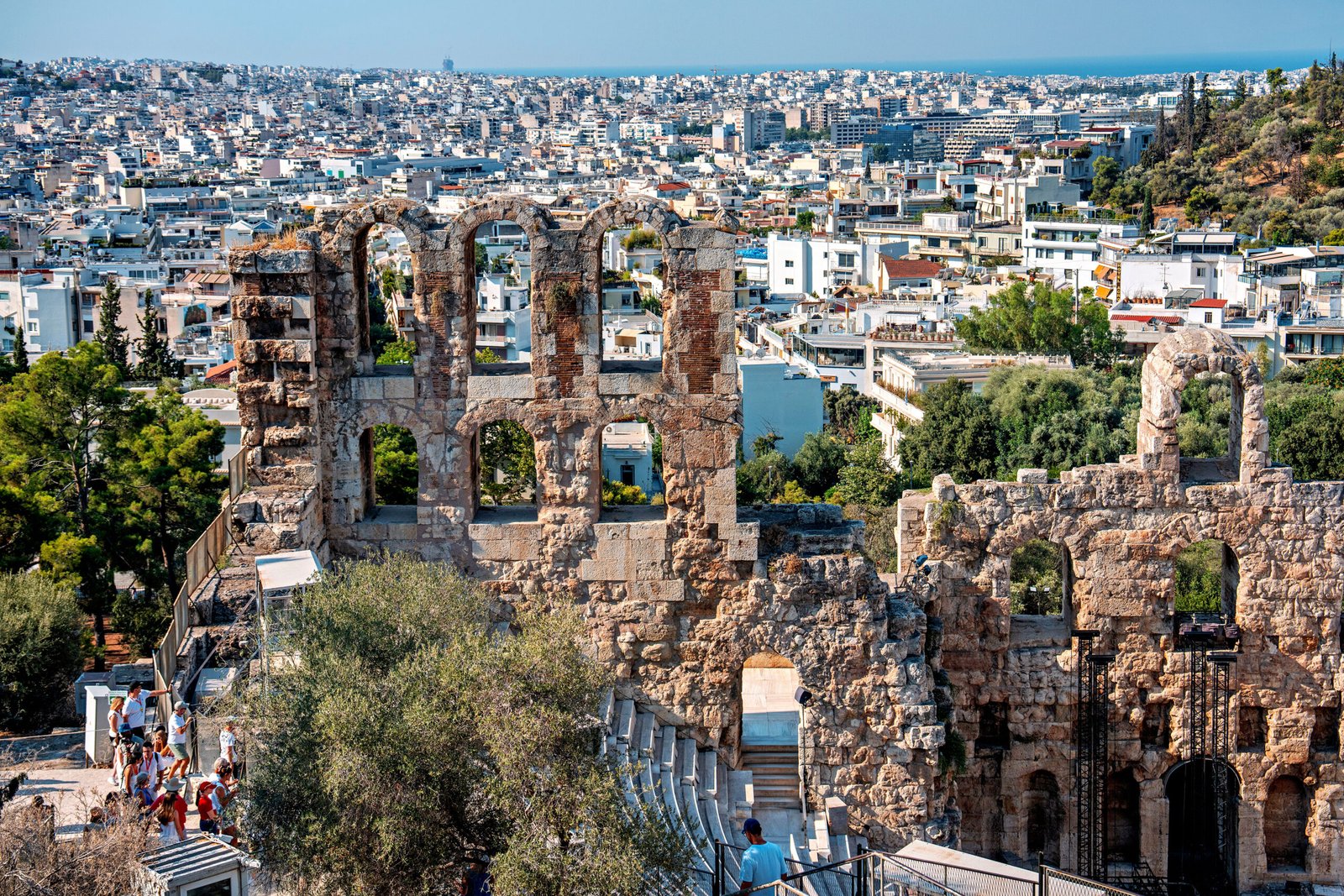
And perhaps that is why this theatre reminds me that, since long ago, people have gathered to witness stories, not only for entertainment, but to better understand their own lives. Standing there makes me feel that travelling to a place like Athens is not only about its grand history, but about the awareness that, for a long time, people have sought ways to understand themselves through stories, through encounters, and through togetherness.


Athens and the Way I See Differences
Athens is often described as a city of history. Yet when I walked through it, I felt something else.
The city felt like a long conversation.
Among the ancient buildings that still stand, I imagined the people who once gathered there. They came with different thoughts, different beliefs, and ways of seeing the world that were not always the same.
Not every conversation led to agreement.
Yet the conversation continued.
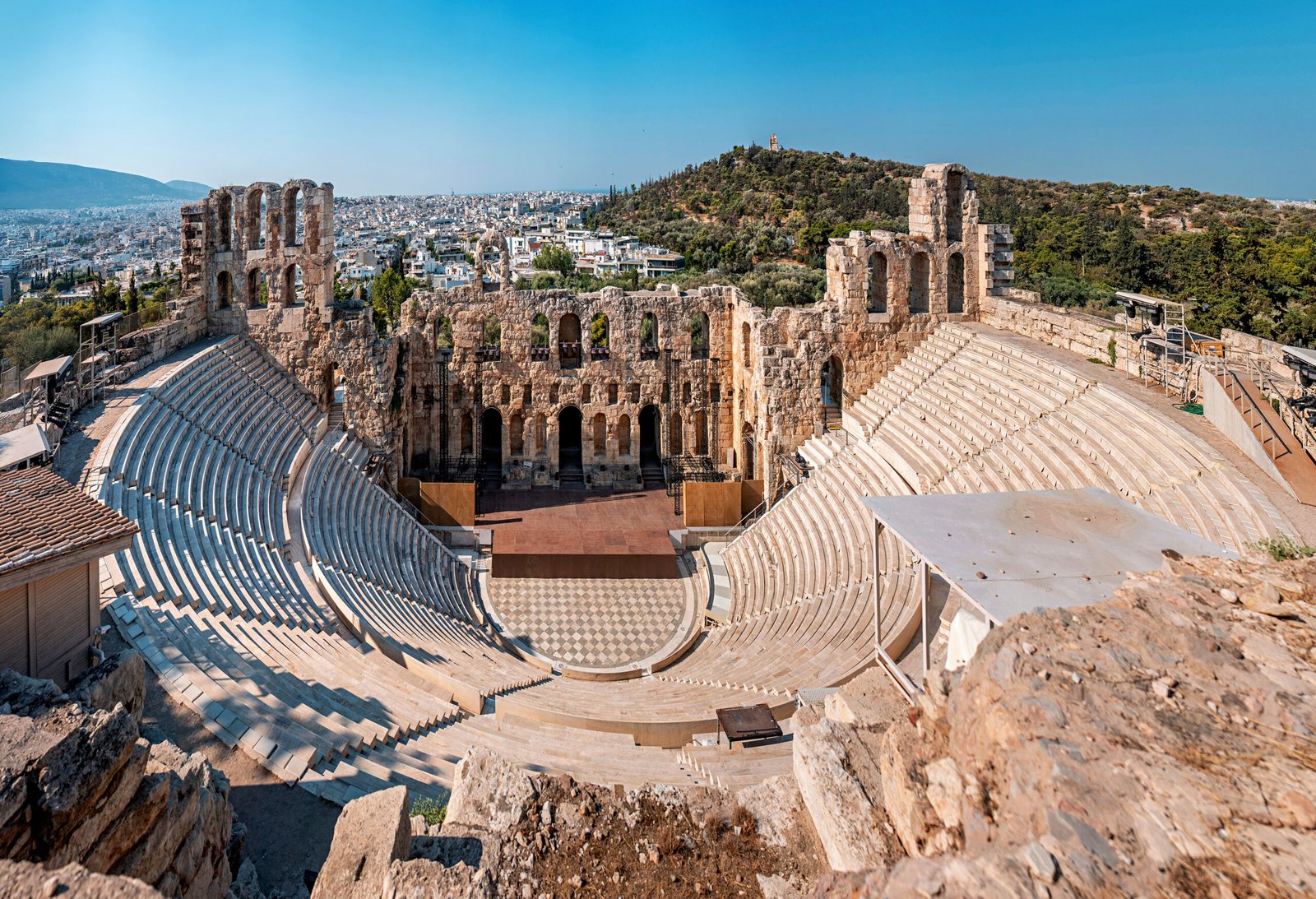
Standing at the Theatre of Dionysus, I paused for a moment, looking at the rows of stone seats facing the open stage. The place was quiet when I arrived, but it was easy to imagine how thousands of people once sat there.
They came to watch ancient Greek dramas, works by writers such as Sophocles, Euripides, and Aeschylus. These stories spoke about human life, about choices, mistakes, hope, and a fate that we do not always fully understand.
Some say that human life itself is not so different from a drama. Each of us arrives with our own role, moving through events we do not always plan, and slowly trying to understand what it all means.
Perhaps that is why Greek drama still feels close to life today. It is not only about the characters on stage, but about human experiences that continue to repeat across time.
Looking at those stone seats facing the open stage, I imagined how people once sat there together, watching stories about people like themselves.
They may not always have returned home with the same answers.
But they returned with a slightly broader understanding of life.
I walked through these places without thinking too deeply about their history. Yet slowly, a small realisation emerged.
All this time, I have often wanted to understand everything quickly. When faced with differences, there is an urge to explain them immediately, or to bring them together.
As if everything needs to become clear at once.
Yet the world does not always work that way.
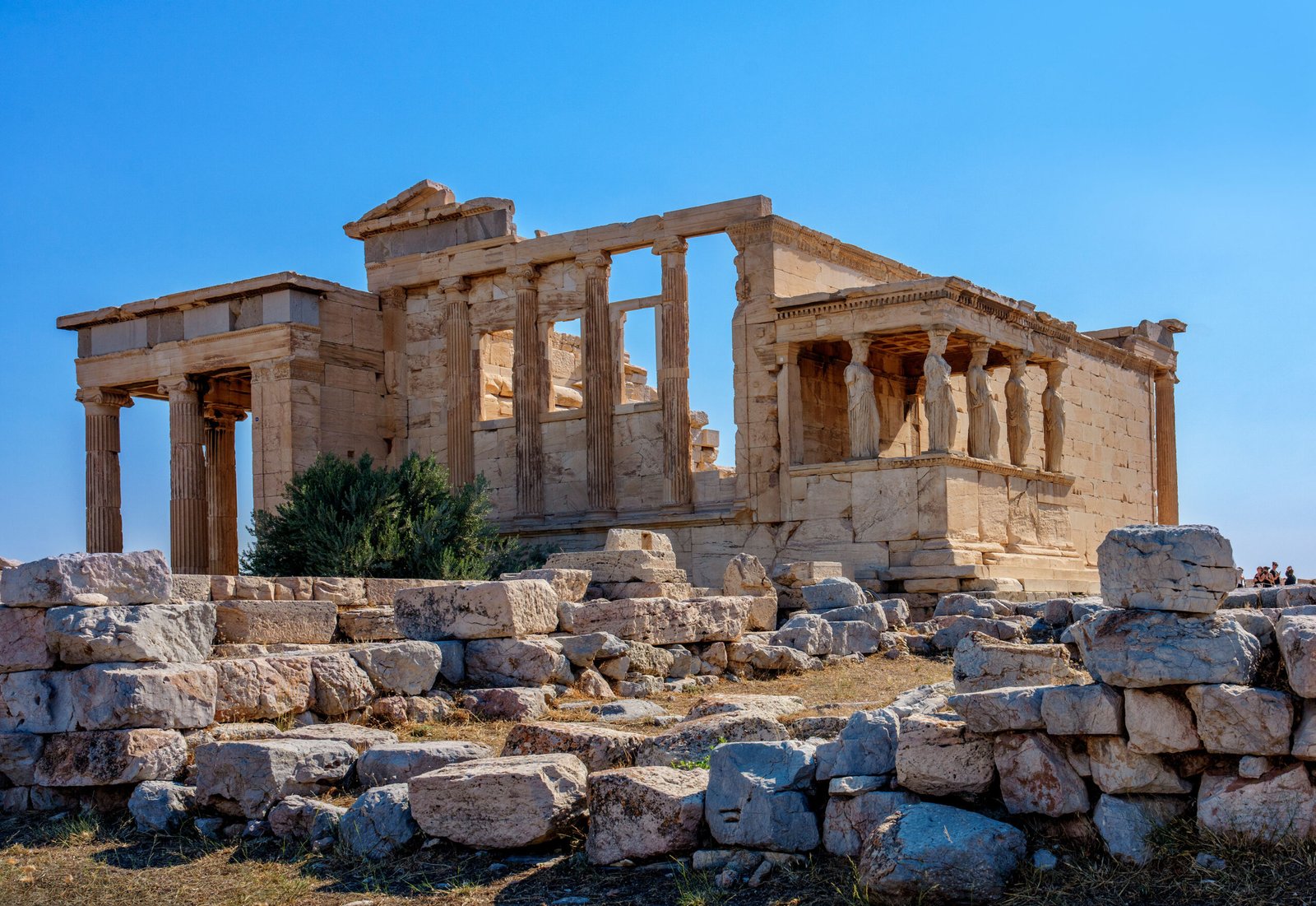
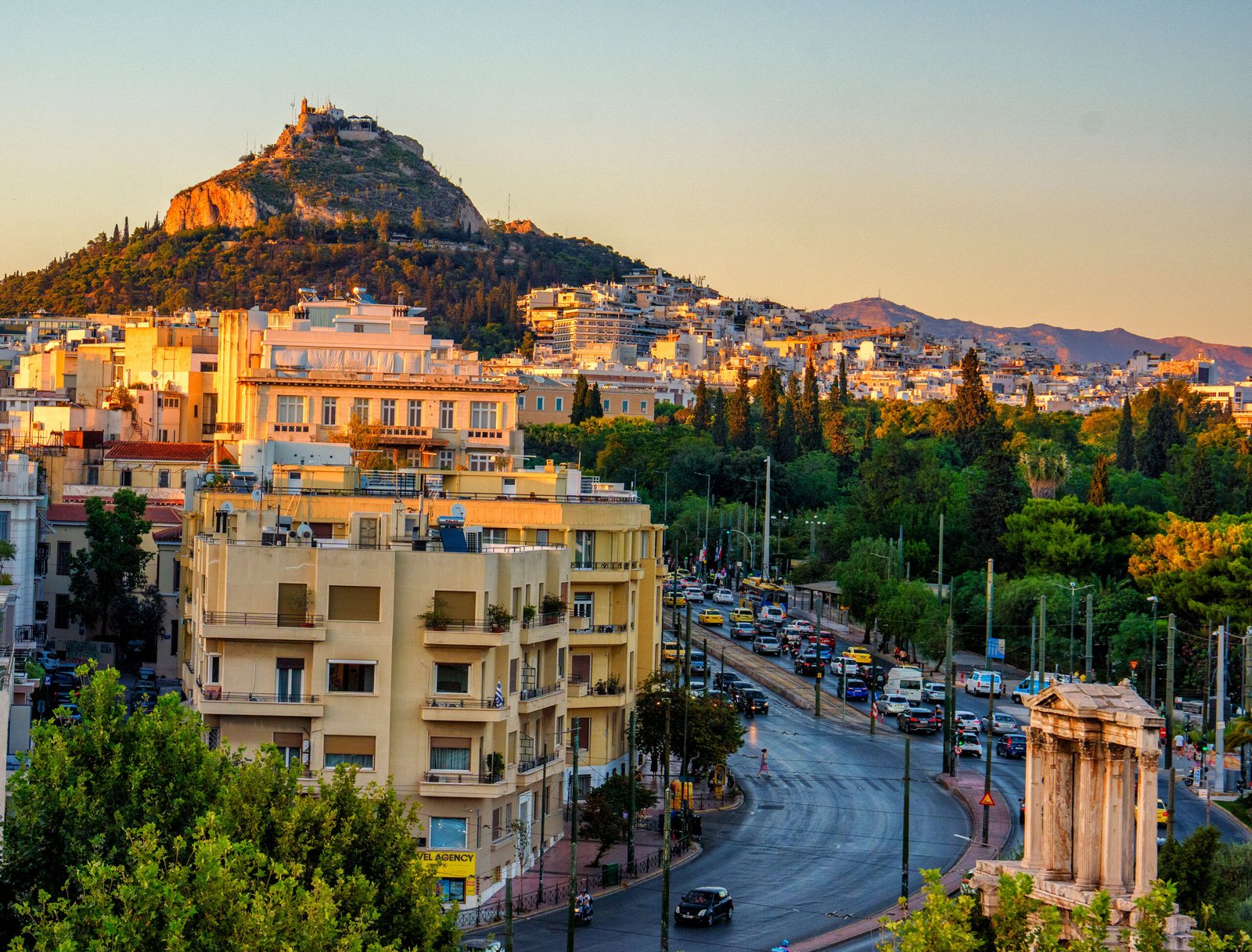
In Athens, I saw how different layers of life can exist side by side. Ancient structures stand within a modern city. Different beliefs and ways of thinking move within the same space.
Not everything has to be the same.
And perhaps it does not need to be.
This journey did not give me new answers.
But it gave me something simpler, the ability to see differences with a little more calm.
Sometimes it is enough to realise that the world is wider than the way we understand it.
And that small awareness often makes us more open.
Why I Started This Journal
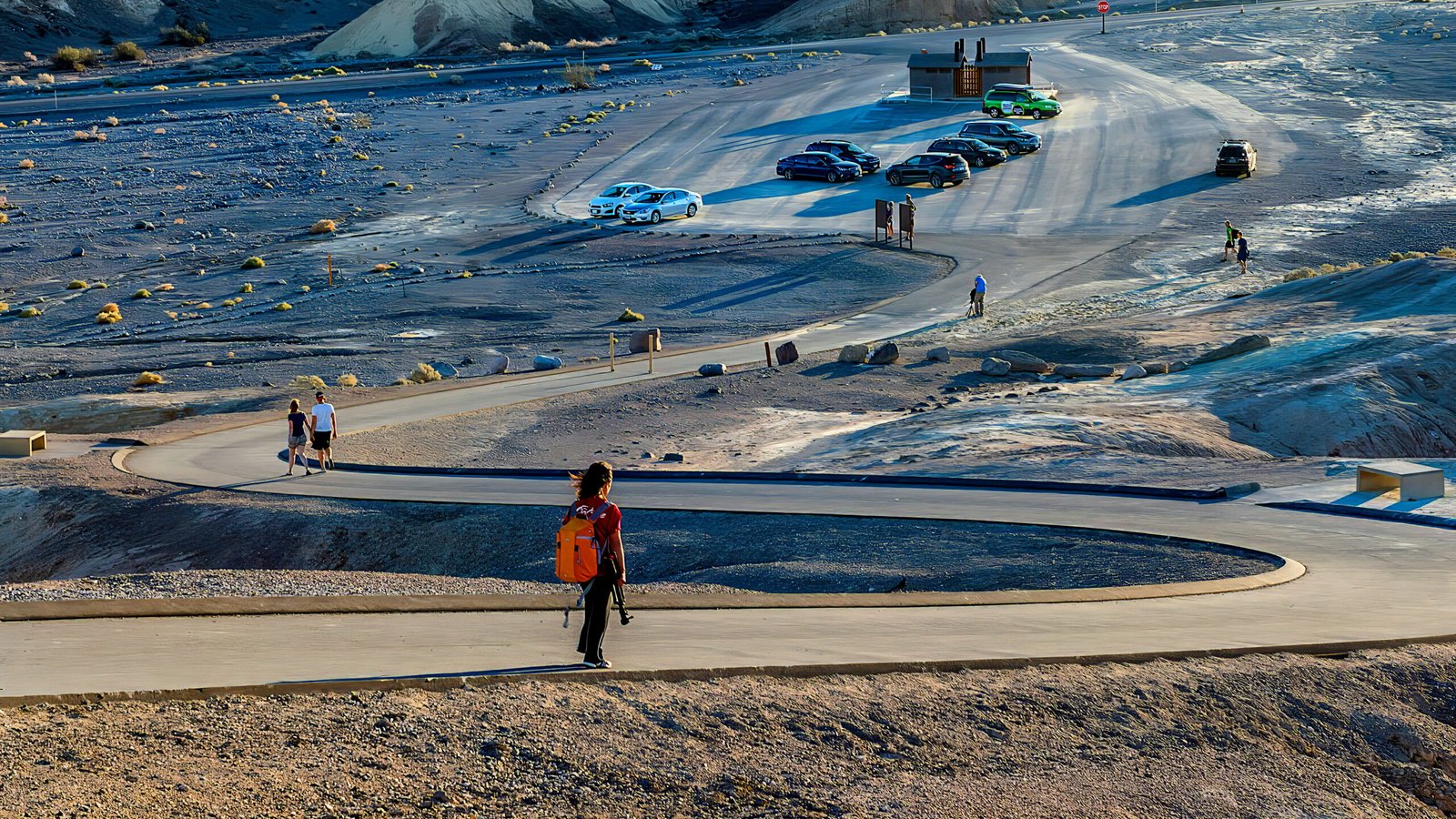
I have been photographing and travelling for a long time. From every journey, I always return with many photographs. Some I keep, some I print, and a few eventually find their way into exhibitions.
Yet recently, I began to realise something simple: a journey does not always end when we return home and put the camera down.
There are experiences that linger longer than I expect. Not merely because of the photographs, but because of the questions that follow. The way I see things shifts slowly, sometimes without me noticing.

A journey, it turns out, does not only move us from one place to another. It also, gradually, shifts the way we look at the world.
Since childhood, I have always enjoyed writing. I wrote about experiences, feelings, and the small details I encountered. From there, quiet conversations with myself would emerge, a gentle way of understanding what I was going through.
When I began photographing and travelling to different places, that desire to write returned.
I wanted a space that would not only hold photographs, but also hold the thoughts that arise along the way.
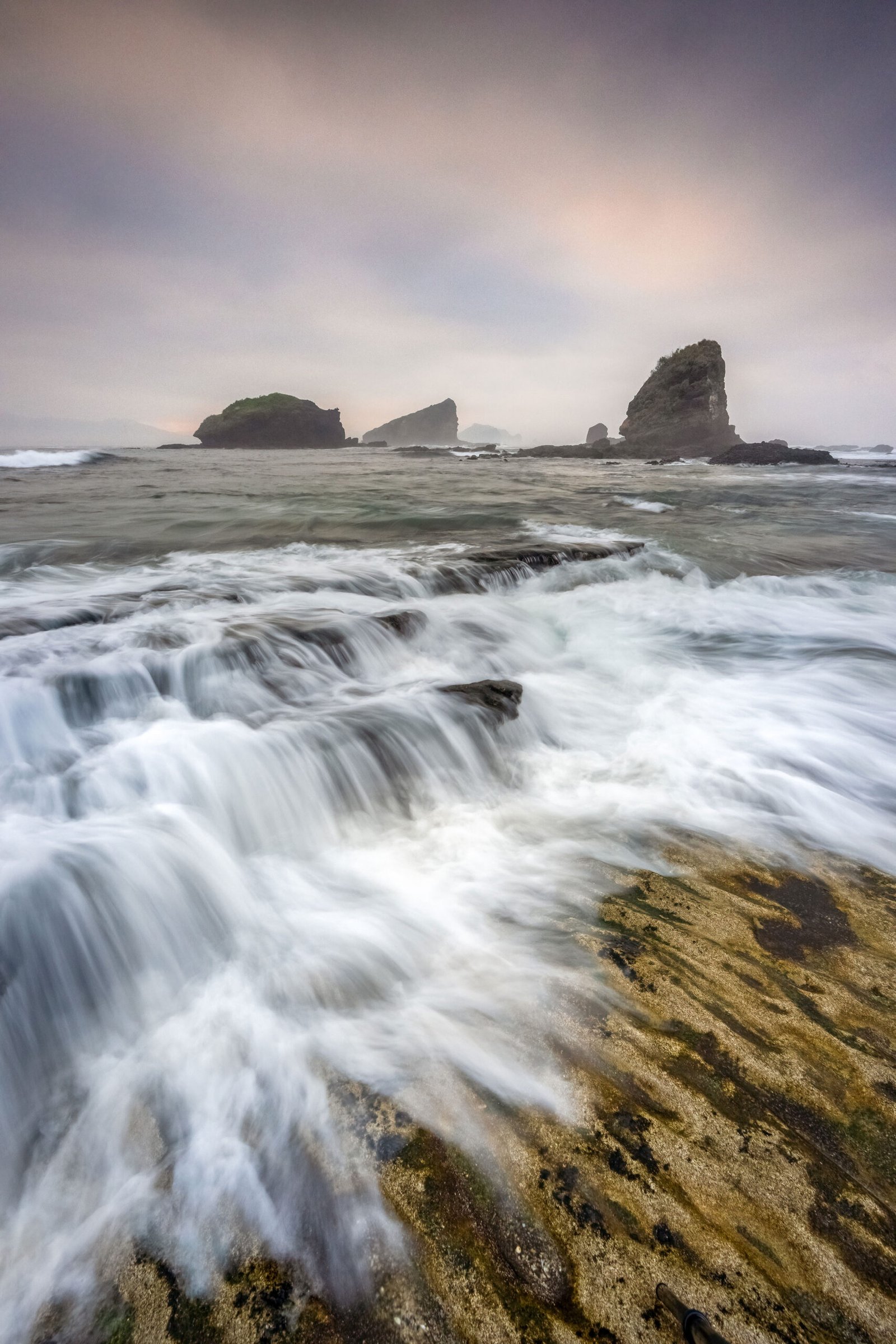
Sometimes a place does not immediately reveal its meaning. It needs time to be understood.
More often than not, it is only after returning home, when everything has settled, that I begin to see the journey differently.
That is where writing becomes important.
Writing helps me hold on to things that are easily lost: small feelings that appear in a place, questions that arise unexpectedly when seeing something, or a sense of gratitude that arrives unannounced.
If they are not written down, these experiences often pass by unnoticed.
This journal is not an attempt to explain the world. The world is far too vast to be explained simply.
For me, this journal is more like a space to organise the way I understand the world.
The writings here may not always be complete. Not always perfect. Sometimes they are only fragments of thoughts that emerge after a journey.
Yet that is precisely where their honesty lies.
I do not write to appear knowledgeable.
I write so that I do not stop learning how to see.
And perhaps, for me, that is the most honest reason to begin this journal.