Athens is not a city that feels comfortable to be seen in a hurry.
There is something in its air and its stones that slows your steps on its own. As if the city does not ask us to understand everything immediately.
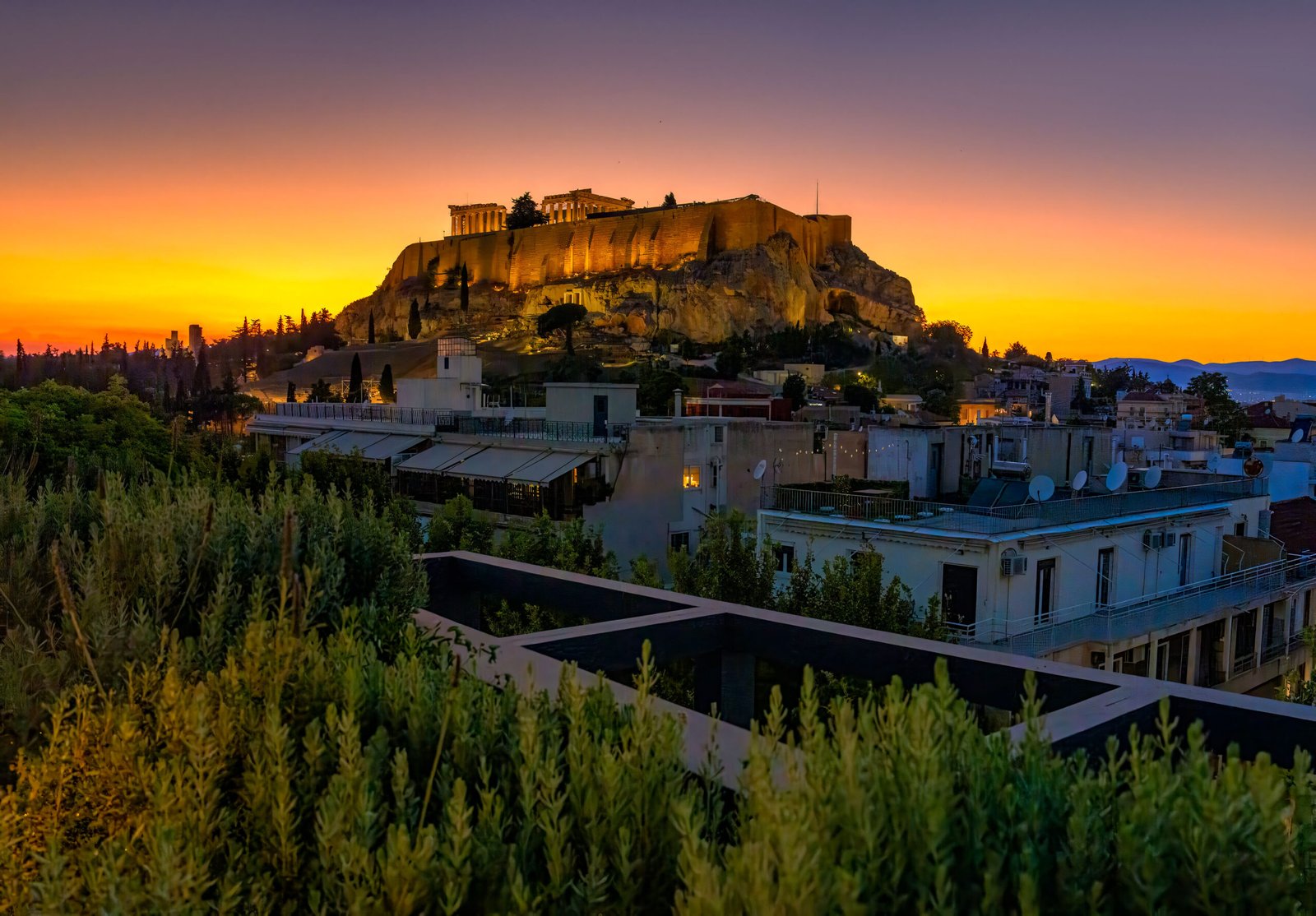
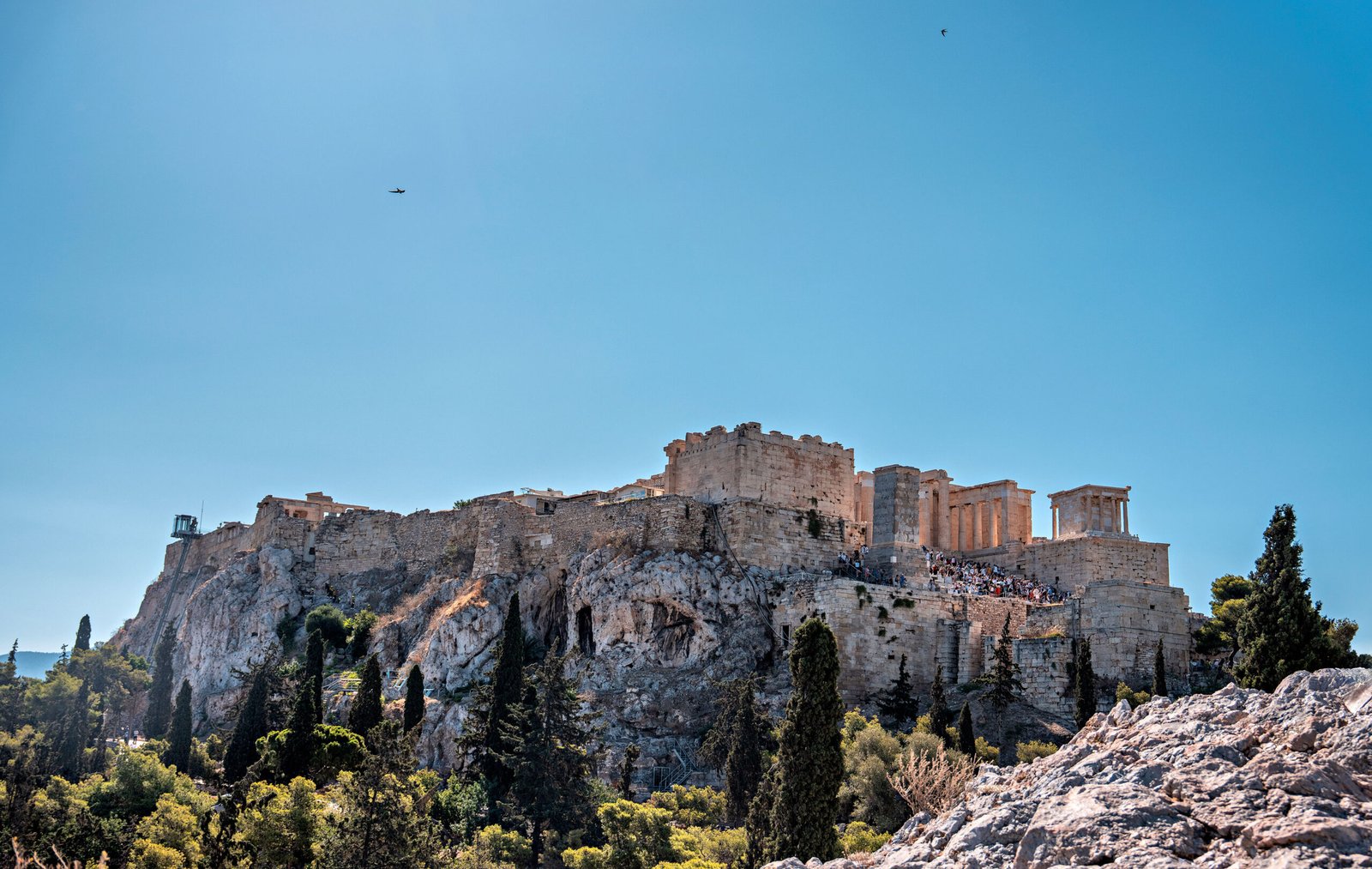
One afternoon, I stopped by a small rooftop café, Cafe Zen, not far from the city centre. From there, I could see Acropolis of Athens standing in the distance, on top of a high rocky hill.
The structure looked very old, yet also very calm.
From afar, it did not feel like ruins. Instead, it appeared as something that continues to stand patiently amid the city’s changes.
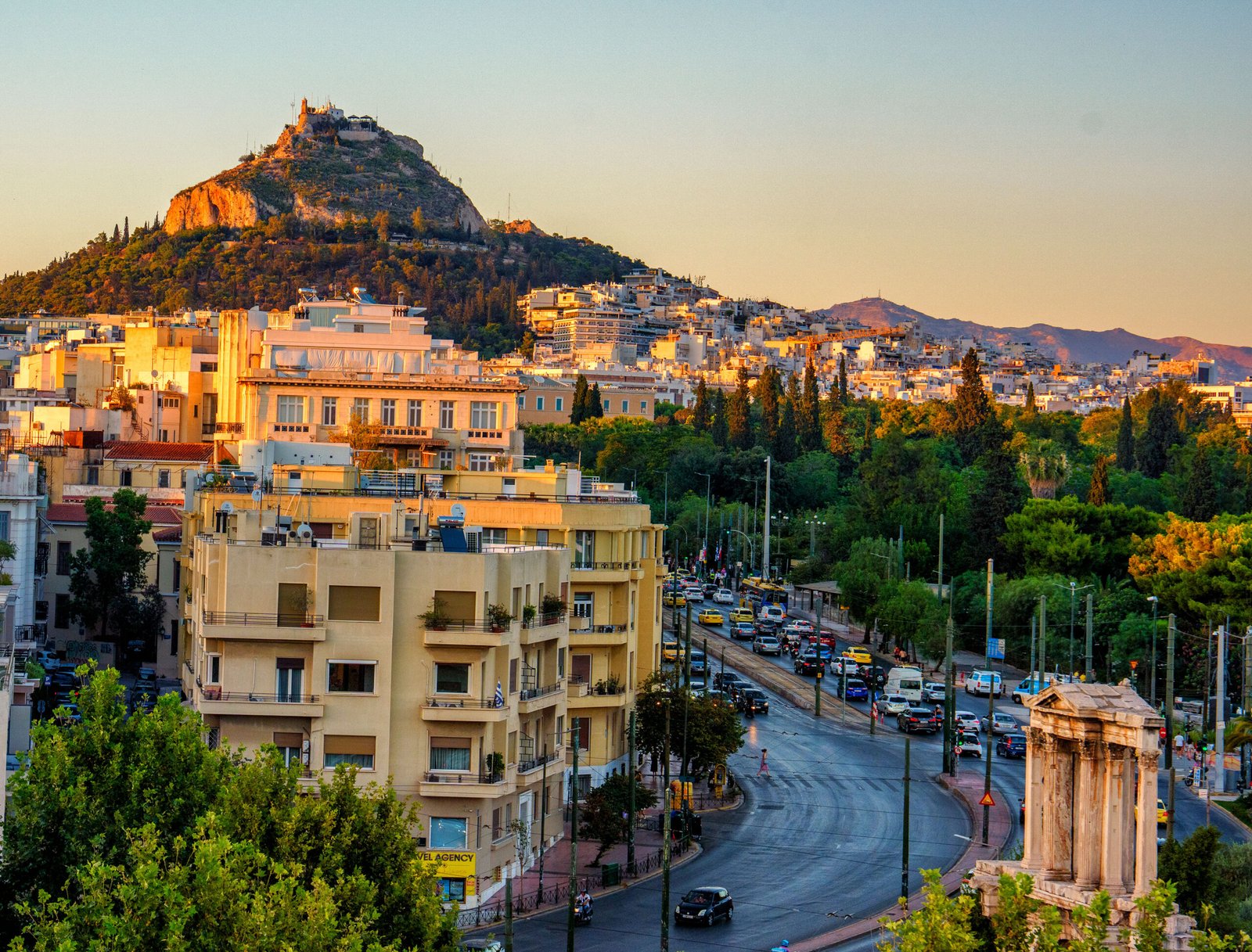
Below the hill, life moved as usual. People walked along narrow streets, lights began to glow, and the sound of conversations drifted from restaurants below.
Meanwhile, up there, the ancient structure remained still.
It is difficult to look at the Acropolis without remembering that this city was once home to thinkers such as Socrates, Plato, and Aristotle. They once walked these streets, spoke with people in public spaces, and questioned the most fundamental aspects of human life.
I did not come to Athens to study philosophy.
Yet sitting in that café, looking at the Acropolis from afar, made me feel something different.
As if this city has long been a place where people learn to speak, to listen, and to question what they believe.
As the sun began to set, the colour of the sky slowly shifted. The city grew quieter. Lights turned on one by one.The city softened into calm.
And the Acropolis remained there.
Looking at it from a distance made me realise something simple: not every place needs to be understood quickly.
Sometimes, we only need to sit for a while, observe from afar, and allow the city to speak in its own way.
Sometimes a city does not only hold history. It holds time.
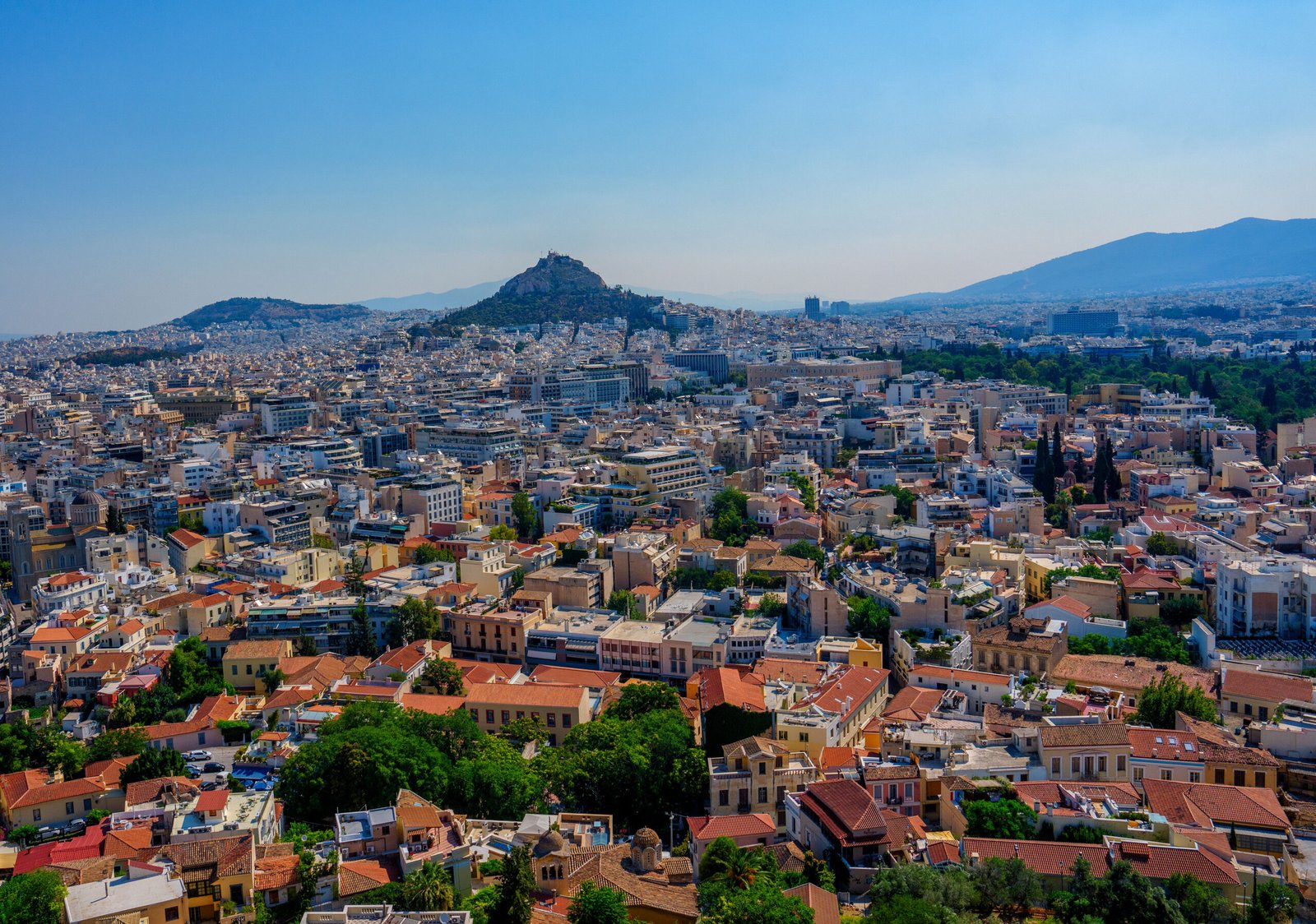
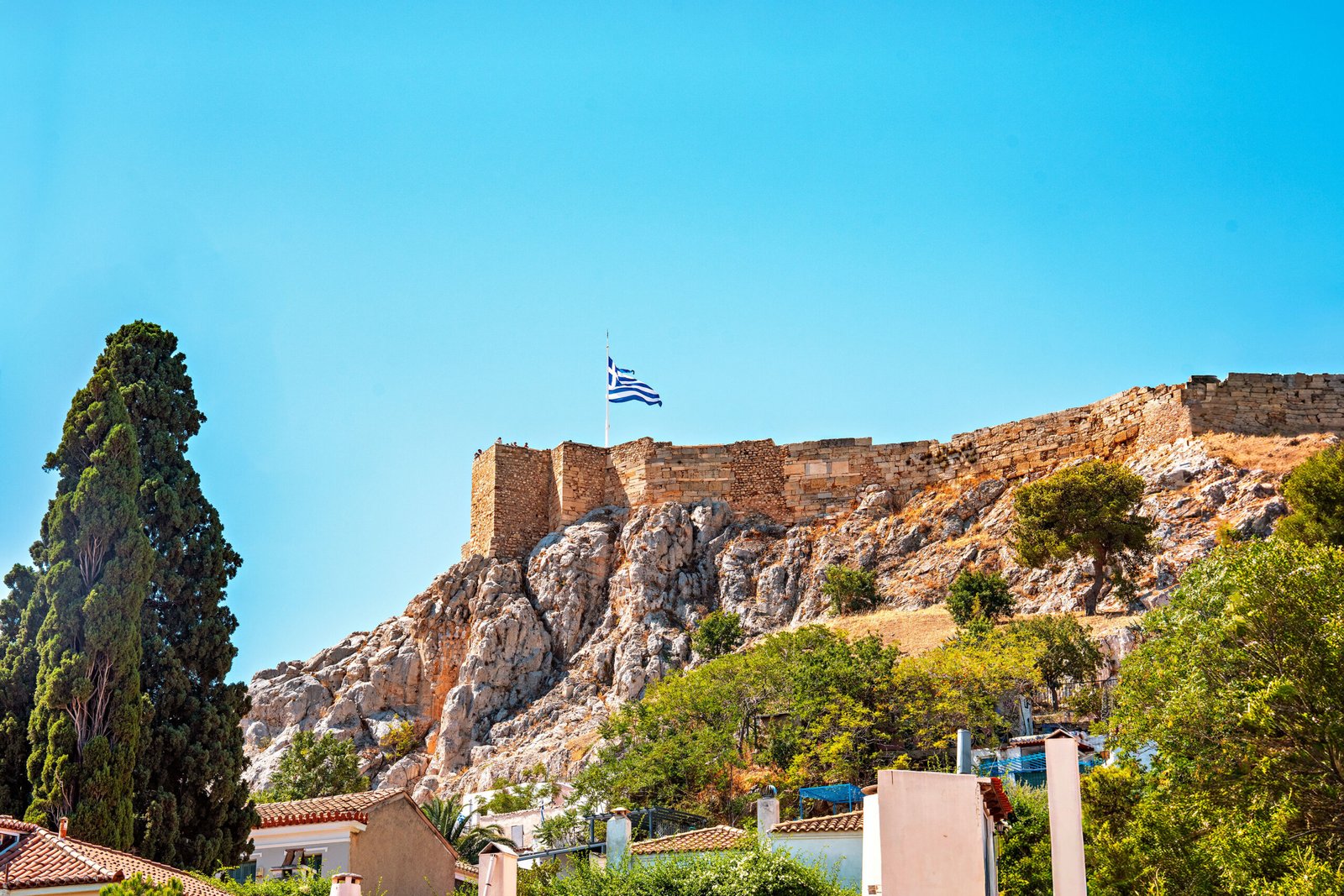
The longer I walk through Athens, the more it feels that this city is very old, not only old in years, but old in the way it keeps its past. From many corners of the city, the Acropolis is always visible, standing on its rocky hill. Above it, the Greek flag moves in the wind.
The view feels like a meeting of two eras, an ancient city that still stands, and a modern nation living around it.
Athens feels like a city that has never truly left its past behind.
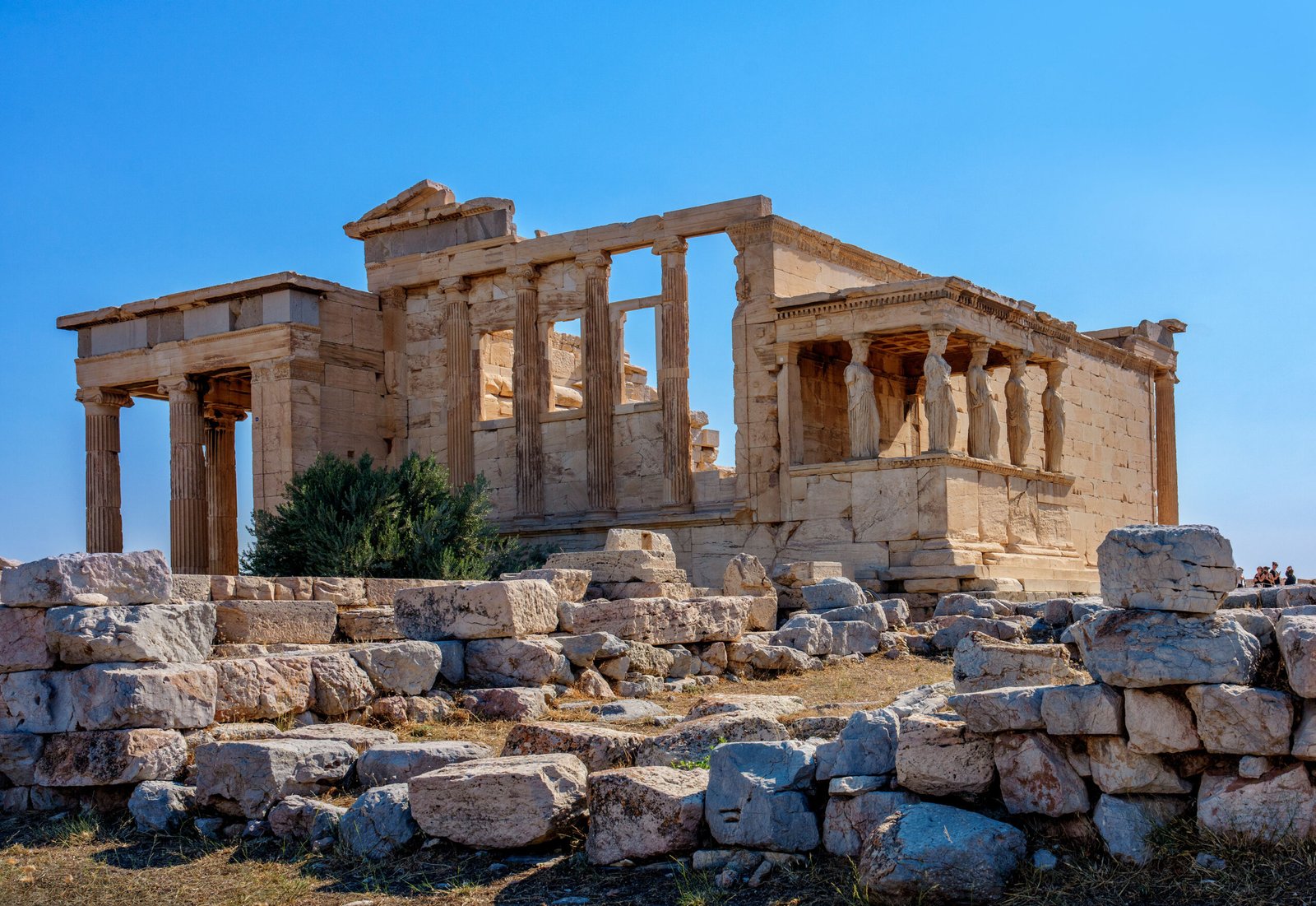
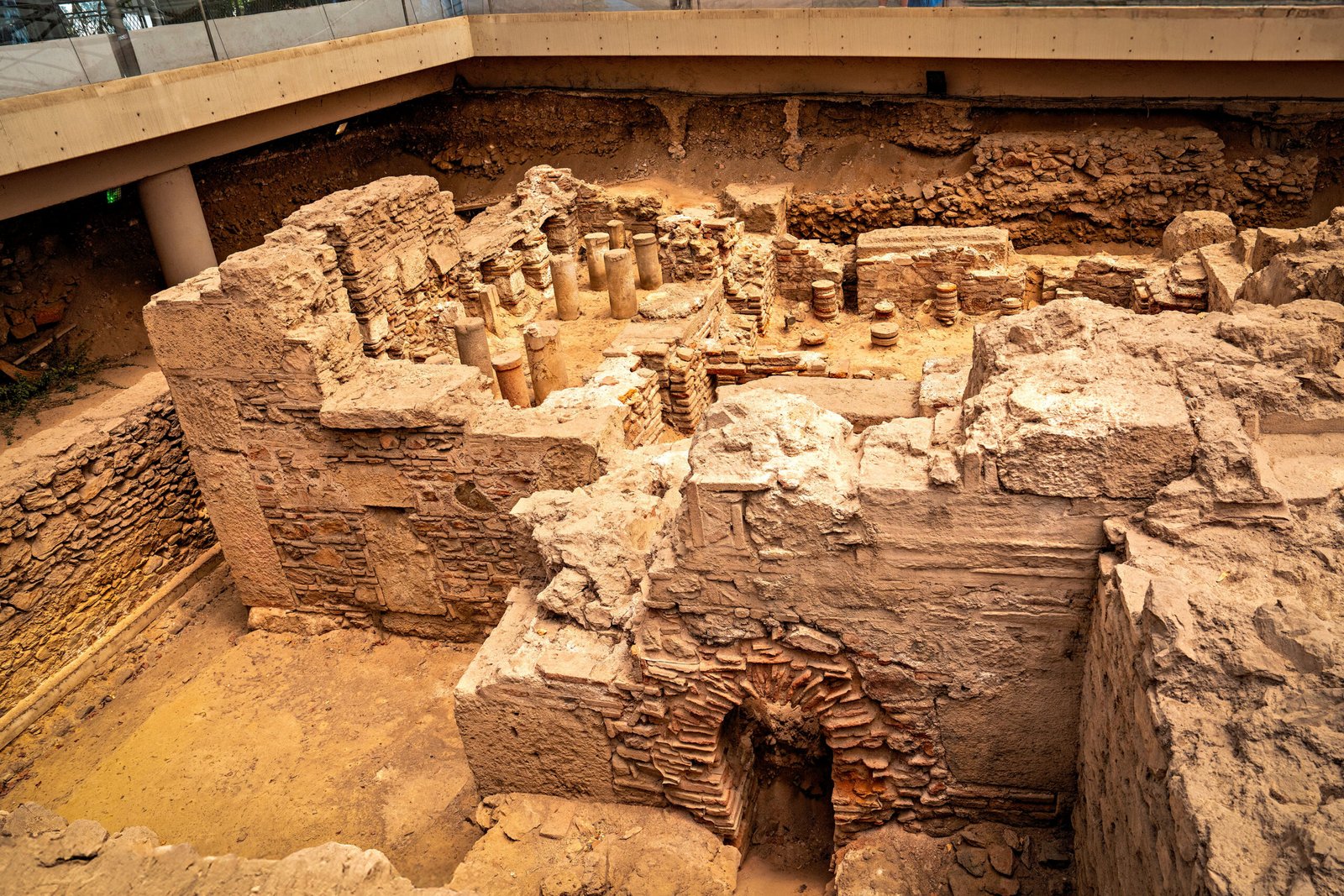
In some parts of the city, archaeological excavations are clearly visible. Beneath modern streets and buildings still in use, there are remains of a much older city.
Stone foundations, fragments of walls, and old corridors appear among today’s life.
At times, I feel as if I am walking on a city that stands upon itself. Athens does not truly erase its past. It simply adds new layers.
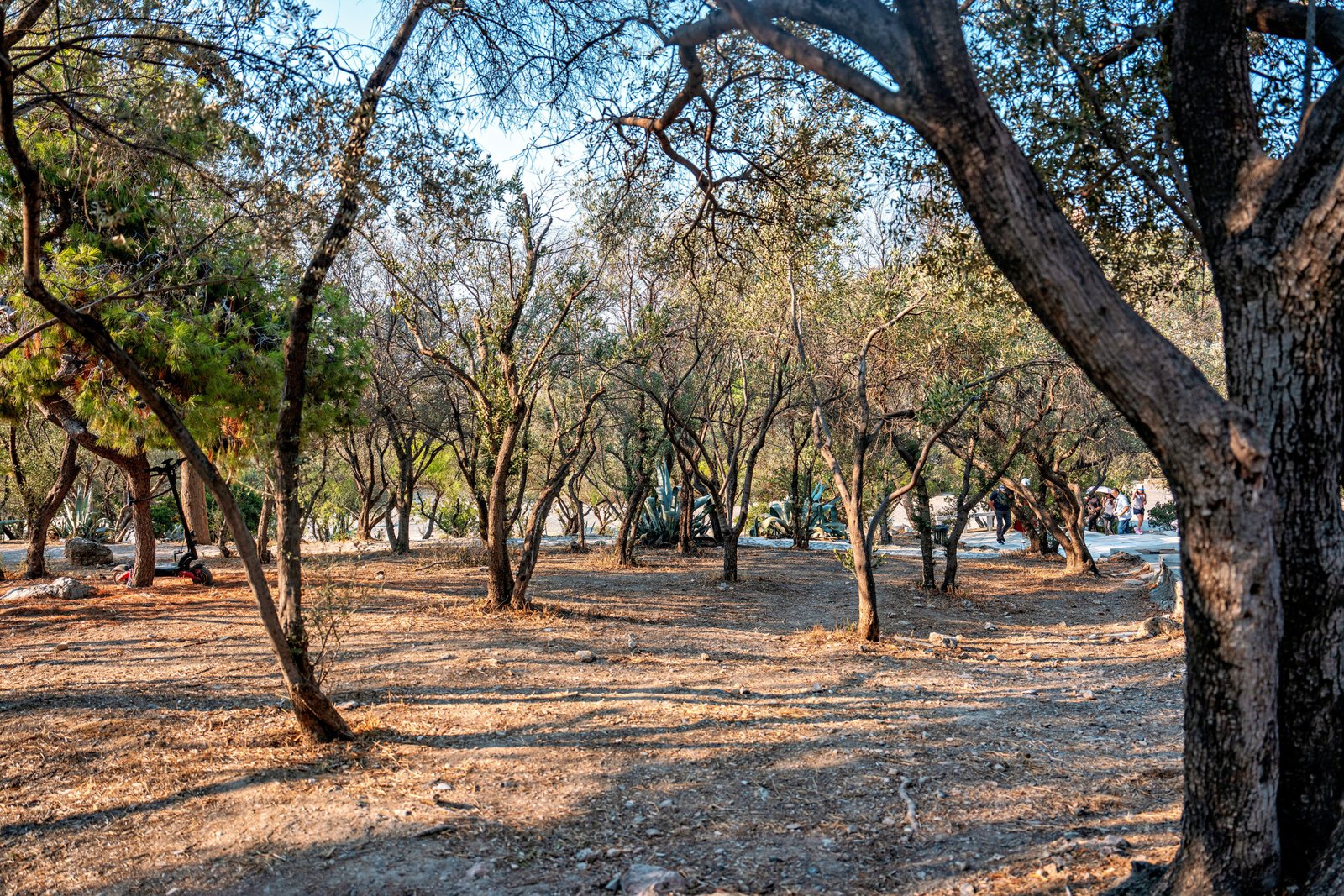
Even the name of the city itself comes from a very old story. Ancient Greeks told of two gods competing to become the protector of this city, Poseidon and Athena. Poseidon struck the ground with his spear and brought forth water. Athena offered something simpler, an olive tree. The tree gave food, oil, wood, and life. The people chose Athena’s gift.
Walking among olive trees today, the legend does not feel distant, as if the old story still breathes softly among leaves moving in the wind.
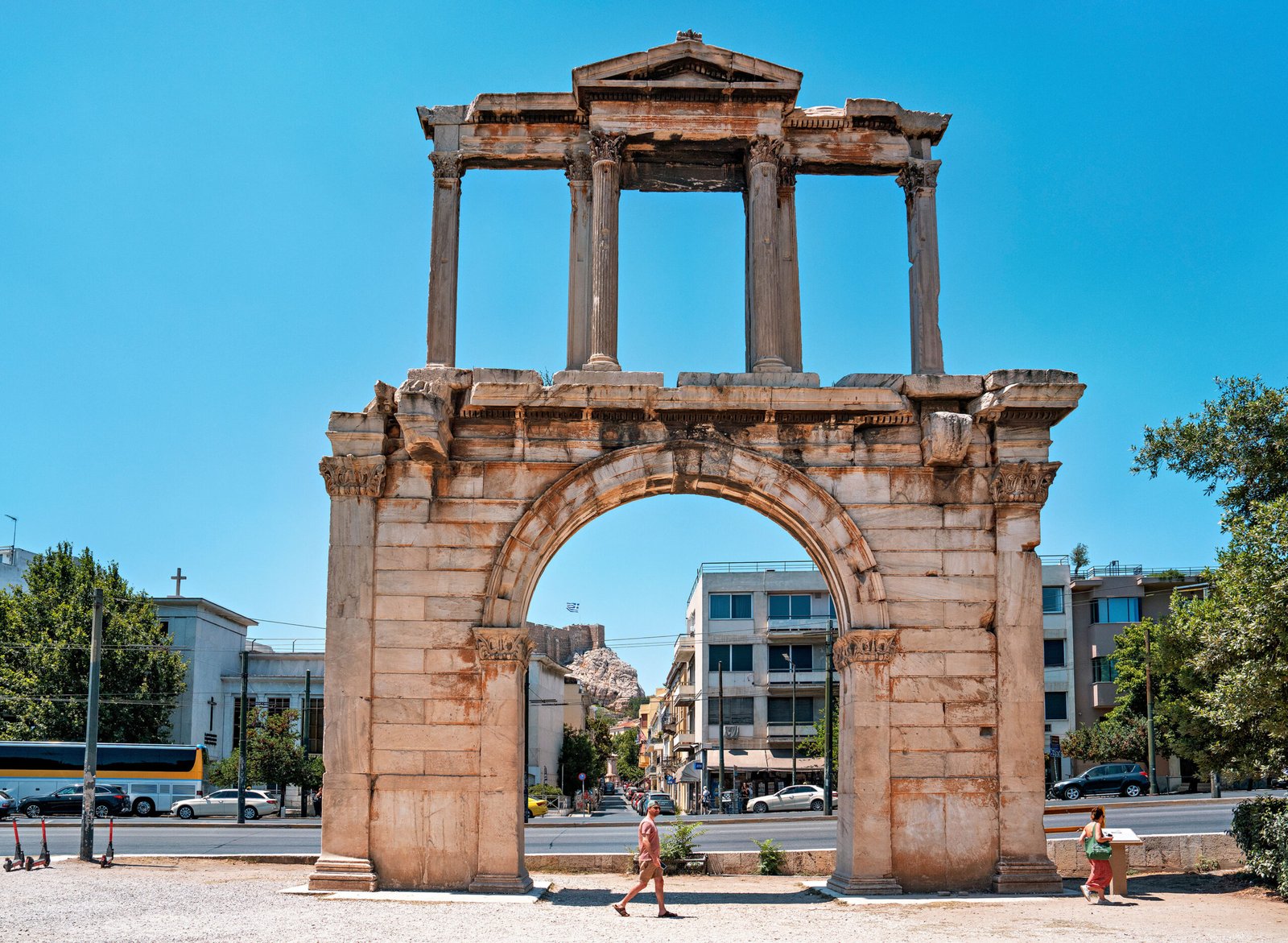
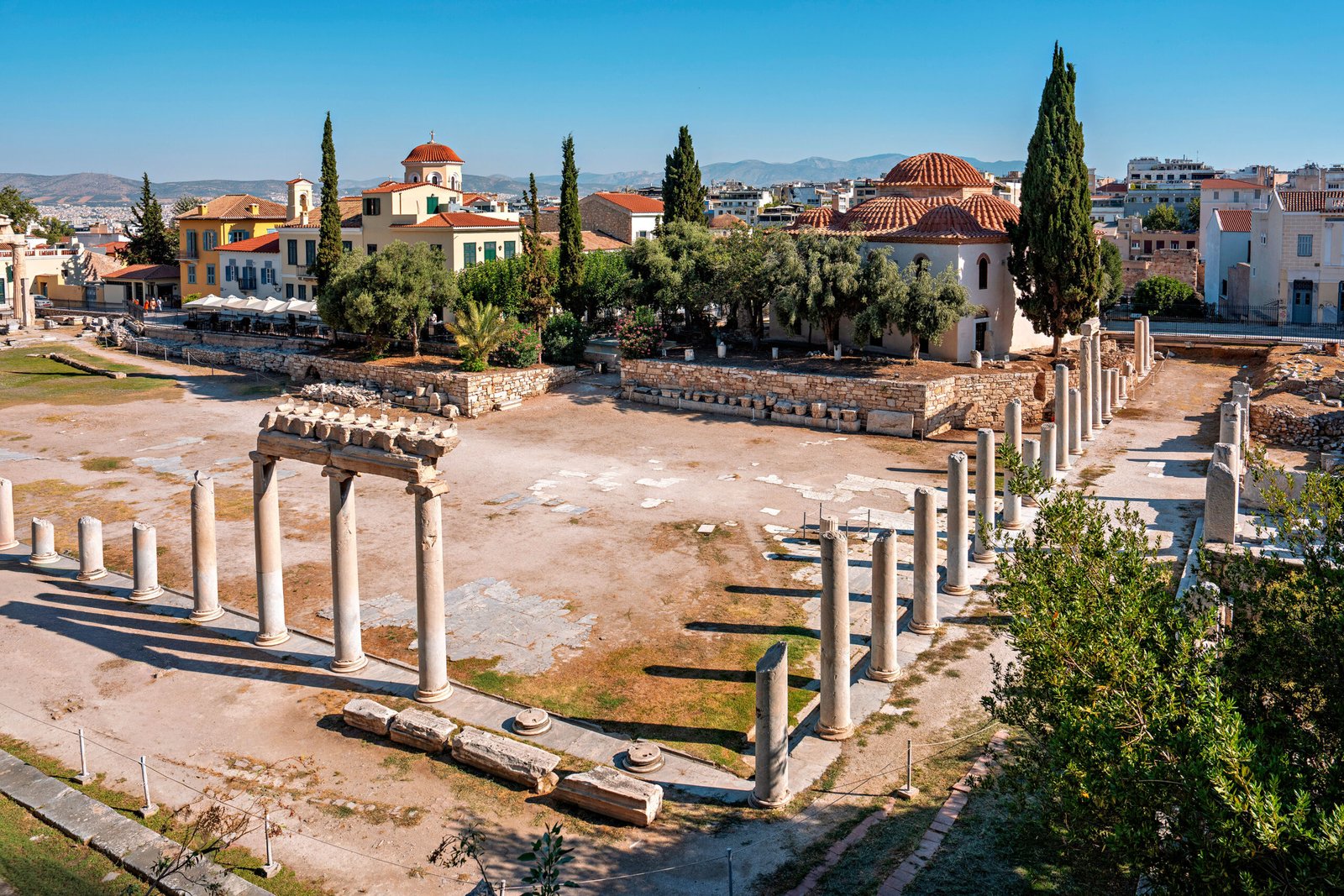
In Athens, the boundary between eras often feels thin. Gates, walls, and ruins stand in the middle of the modern city without feeling out of place. They are not moved or hidden. They remain where they are, becoming part of the city’s life today.
In some metro stations, ruins discovered during construction are left visible behind glass walls. People pass them every day, on their way to work or back home. Beneath them lie traces of lives that existed thousands of years before. Seeing this makes me pause for a moment.
Time in Athens does not feel like a straight line. It feels like layers stacked upon each other, era after era, life after life. And perhaps that is why Athens feels so alive. The past does not disappear. It remains part of today.
And while walking through this city, I feel as if I am moving through time that is still quietly breathing.