

The Overlooked Corner
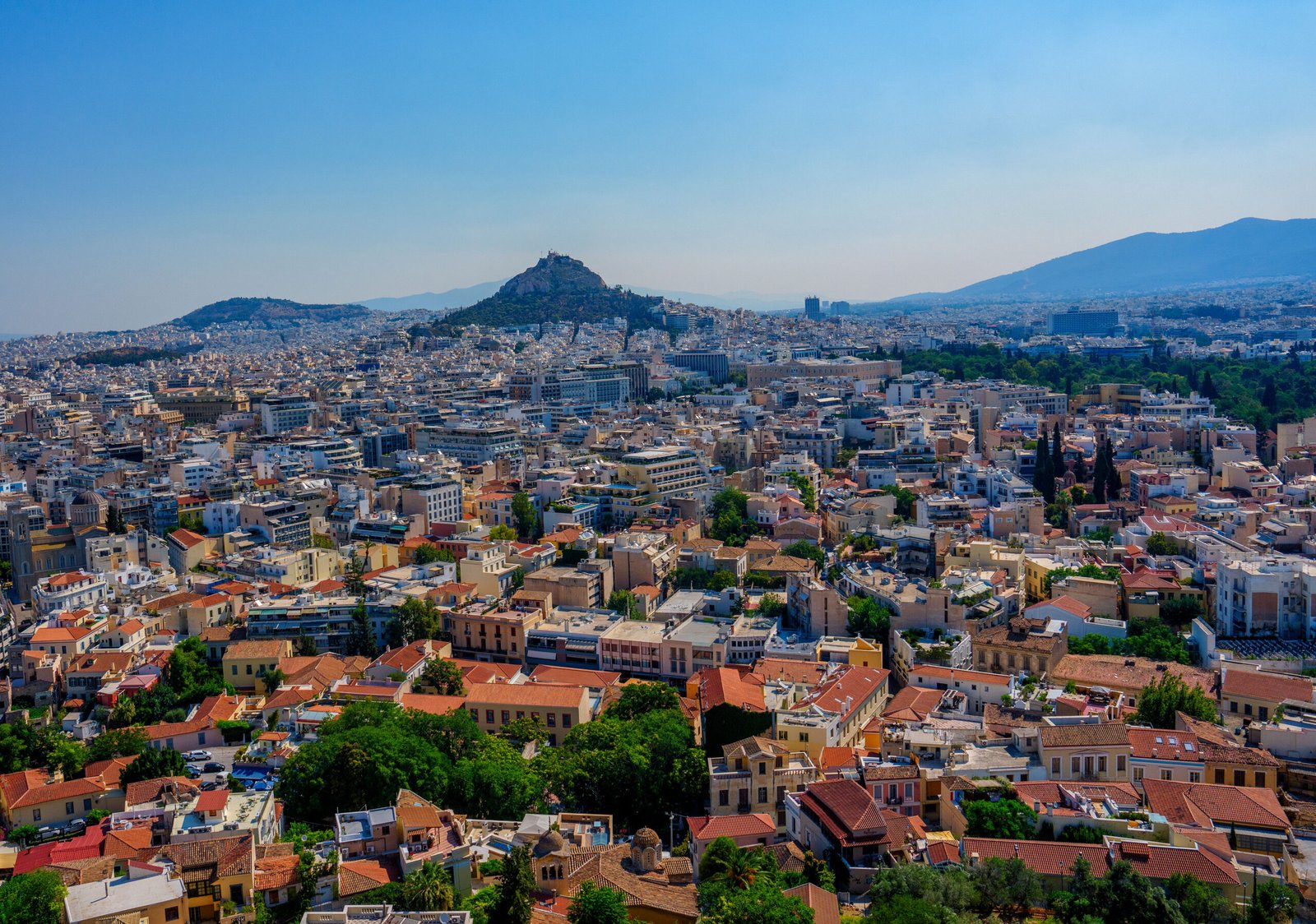
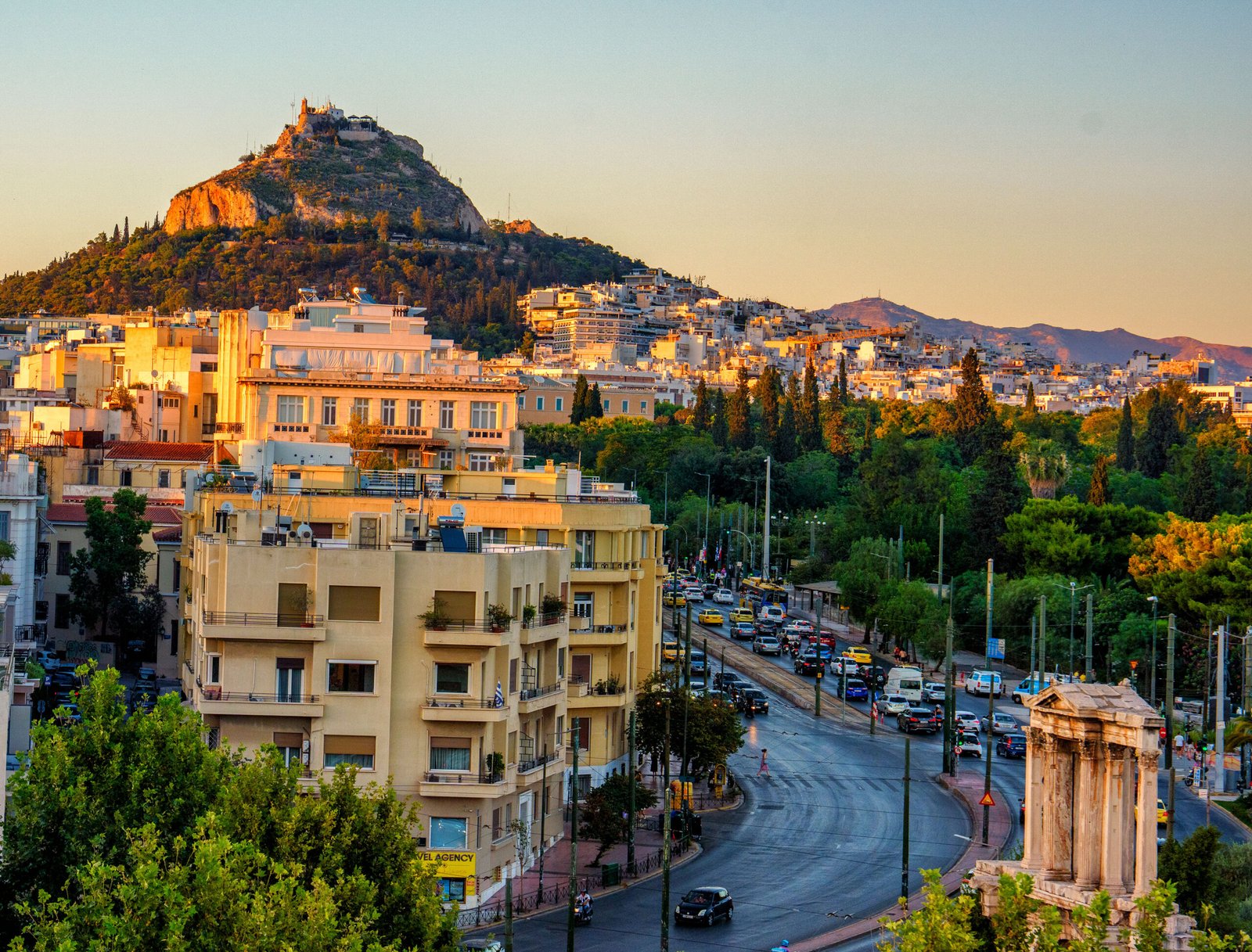
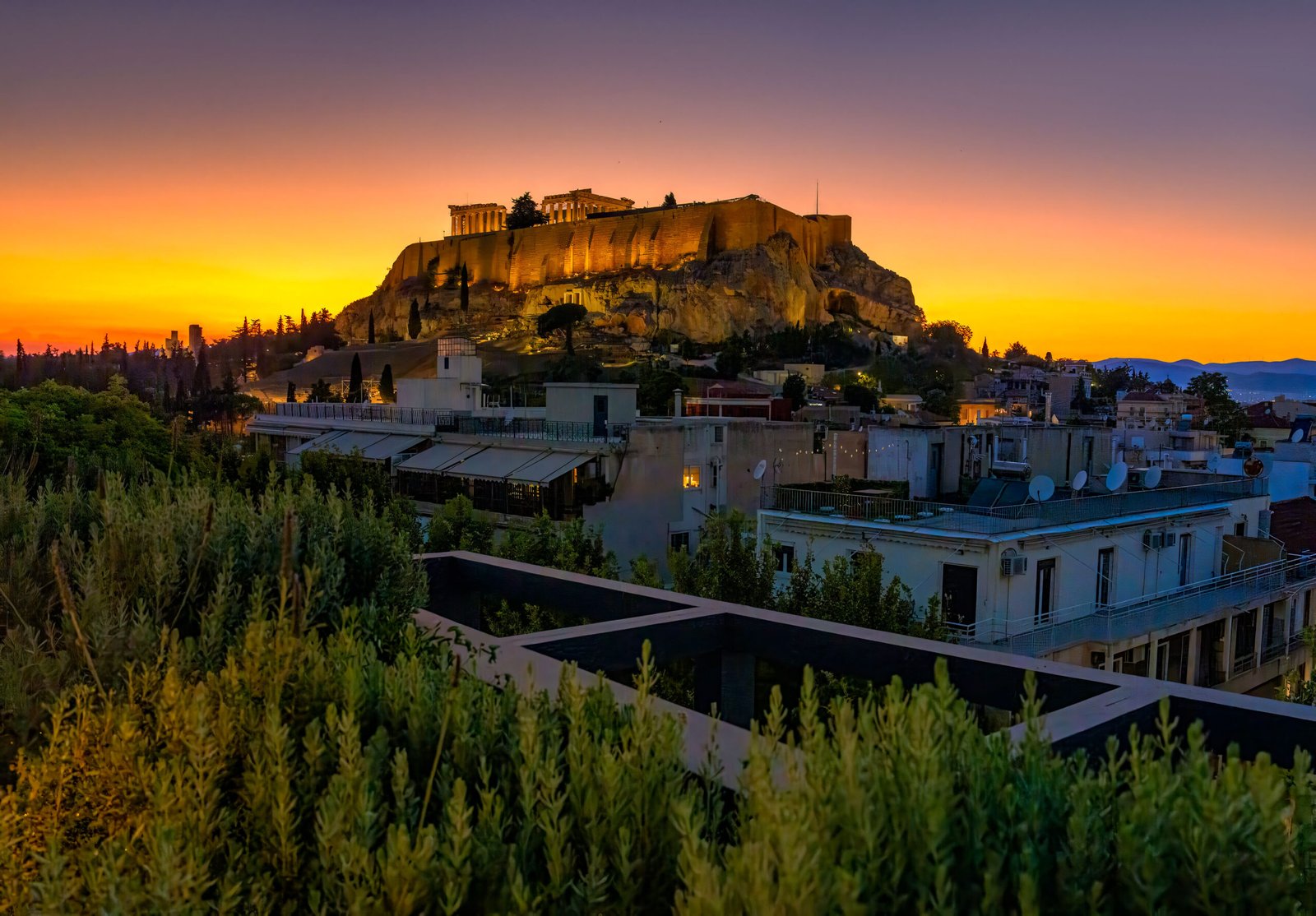
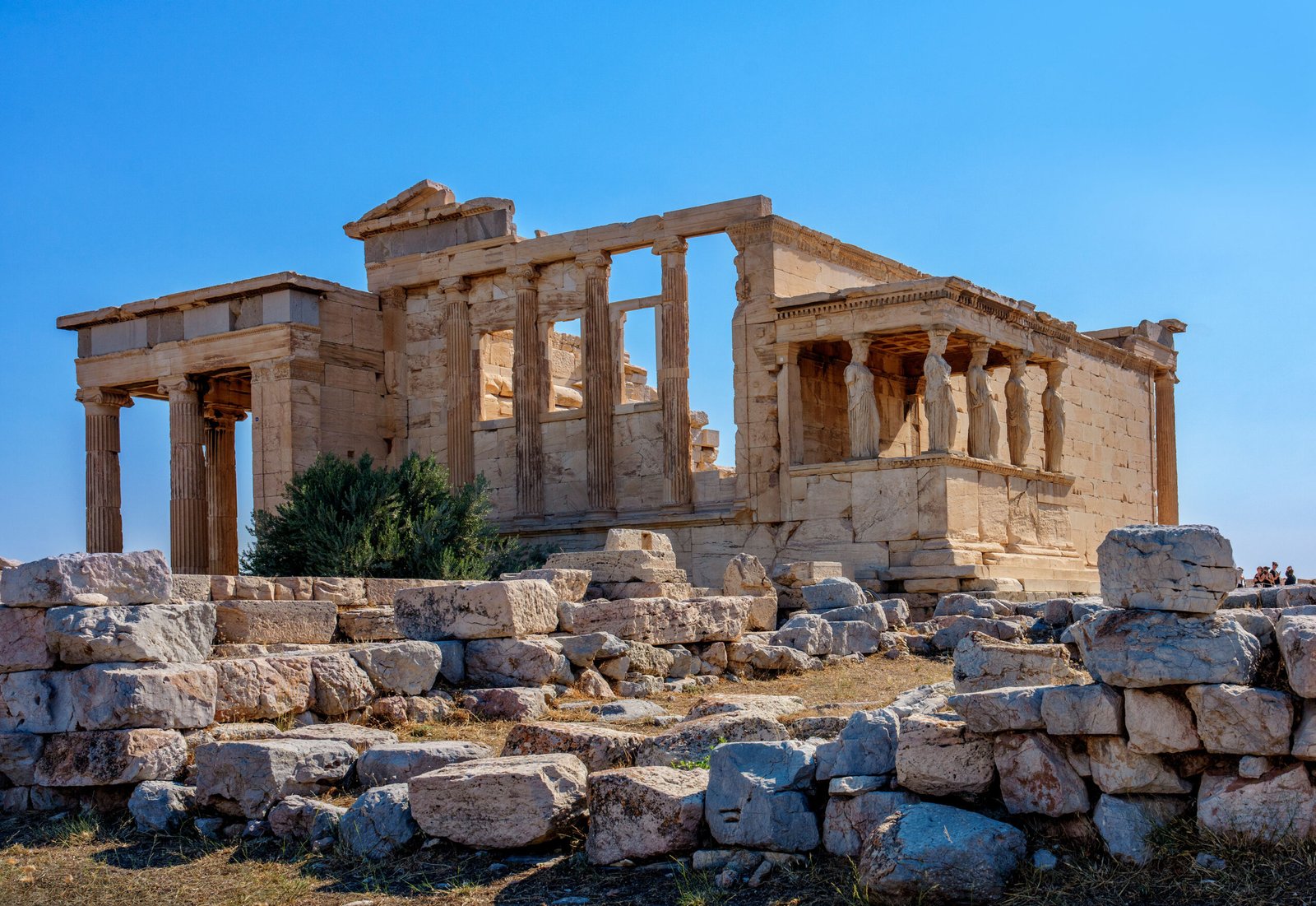
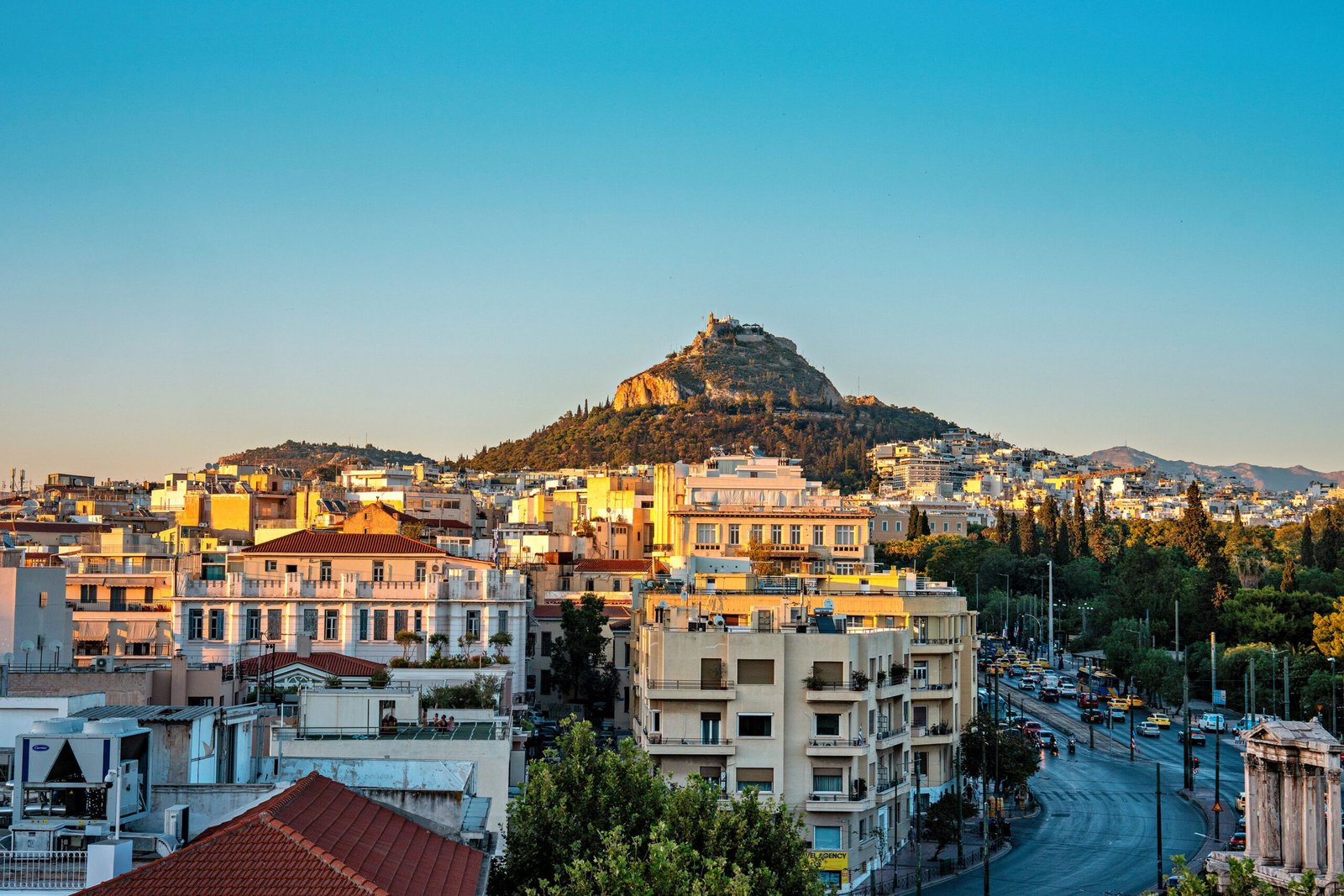
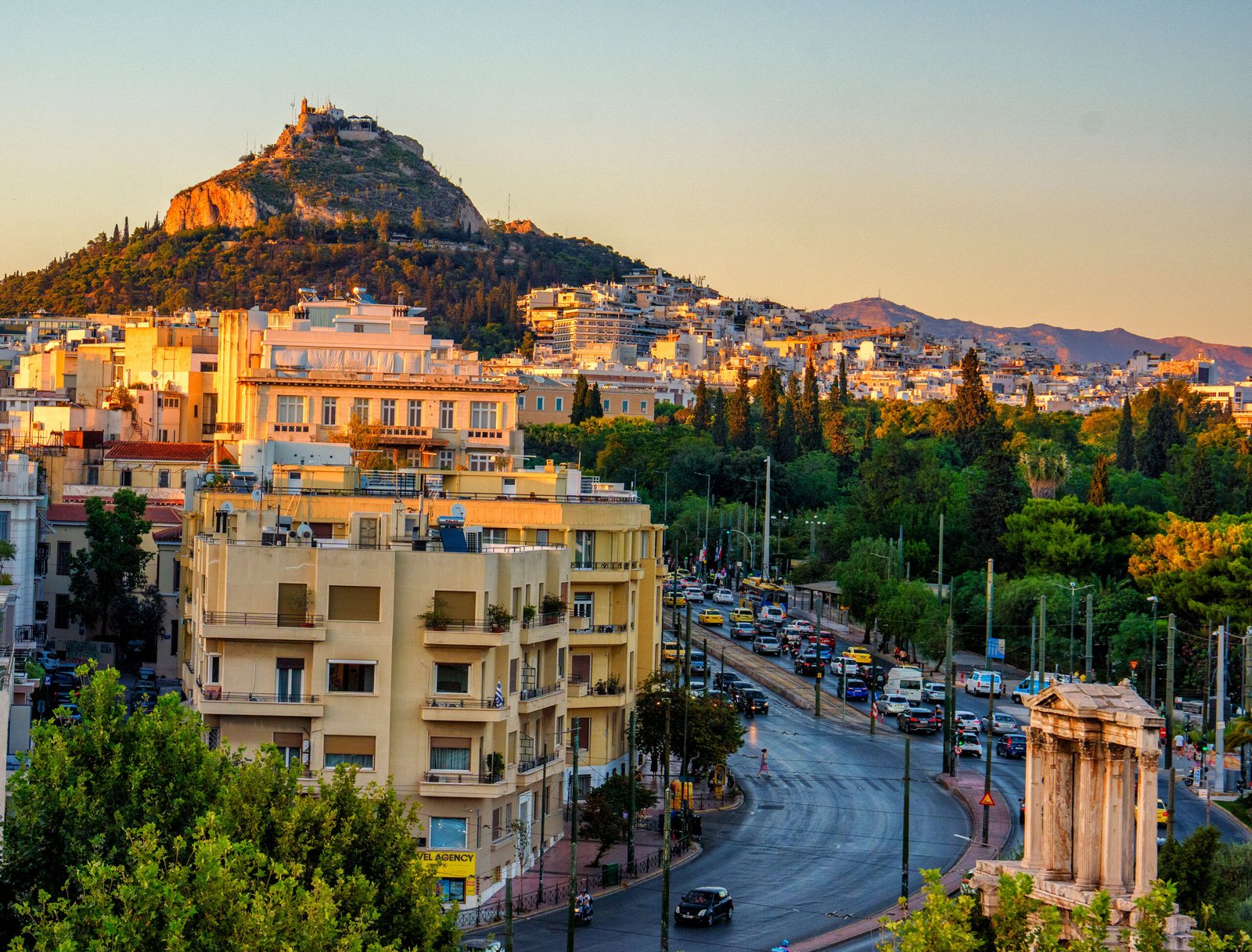
Athens is a city that has been photographed countless times. From a distance, everything appears clear… the hills, the buildings, and the traces of history that feel so familiar.
I stood for quite a while before lifting my camera to take a photograph, not because I did not know what to capture, but because it felt as though everything had already been shown.
That day, I was walking with a local photographer whom I happened to meet in a café. I asked him if there were still corners of Athens that had not been widely exposed. He did not answer at length, he simply invited me to walk a little further away from the crowds.
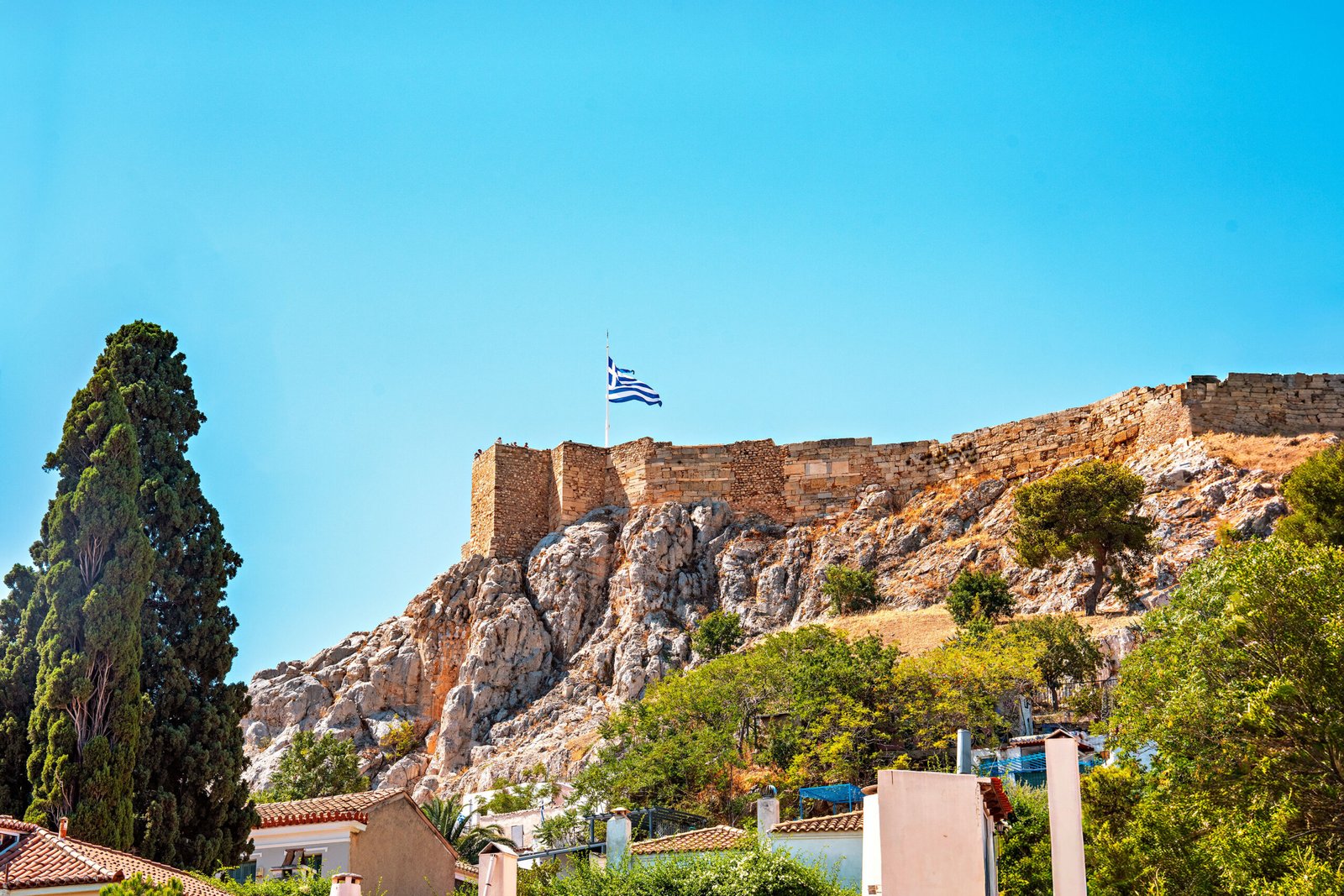
On the northern slope of the Acropolis, I found a small neighbourhood called Anafiotika. White houses stood modestly along narrow streets, and the atmosphere felt like a small village hidden within the city. There was a sense of familiarity among its residents.
It is said that in the 19th century, after Greece gained independence, Athens began to be rebuilt as the capital. Workers came from various places, including a small island called Anafi.
They were stonemasons who initially arrived to build the city, yet later built homes for themselves. Without a grand plan and without formal architecture, they simply followed what they knew from their island of origin: white houses, narrow streets, and buildings that adapted to the contours of the land.
Slowly, a “small village” formed in the middle of Athens. That is what is now known as Anafiotika.
What is striking is how this place does not feel like part of a large city. It feels more like a memory that remains, about home, about origin, and about a simple way of life. Beneath the shadow of the grand Acropolis, and perhaps because of it, it is often overlooked.
I find myself more drawn to the things that are easily missed, the line of light on a wall, the shadow falling on a staircase, or a small space that feels complete without needing to be filled with much.
Sometimes I stop longer than usual, not to wait for something to happen, but to give myself time to truly see.
Sometimes I simply wait.
Waiting until the footsteps around me fade.
Waiting until the light softens.
Waiting until the atmosphere feels still.
There are moments when nothing really happens, yet it is precisely then that I feel most present.
I am no longer in a hurry to take a photograph. It feels as though the image does not need to be chased. It will arrive on its own, when everything has found its time.
And perhaps, in a city that has been seen so often, what is overlooked is not the corner itself, but the chance to pause, and to truly see.
Photographing Historic Places with Quietness
Places such as Athens can easily be made dramatic.
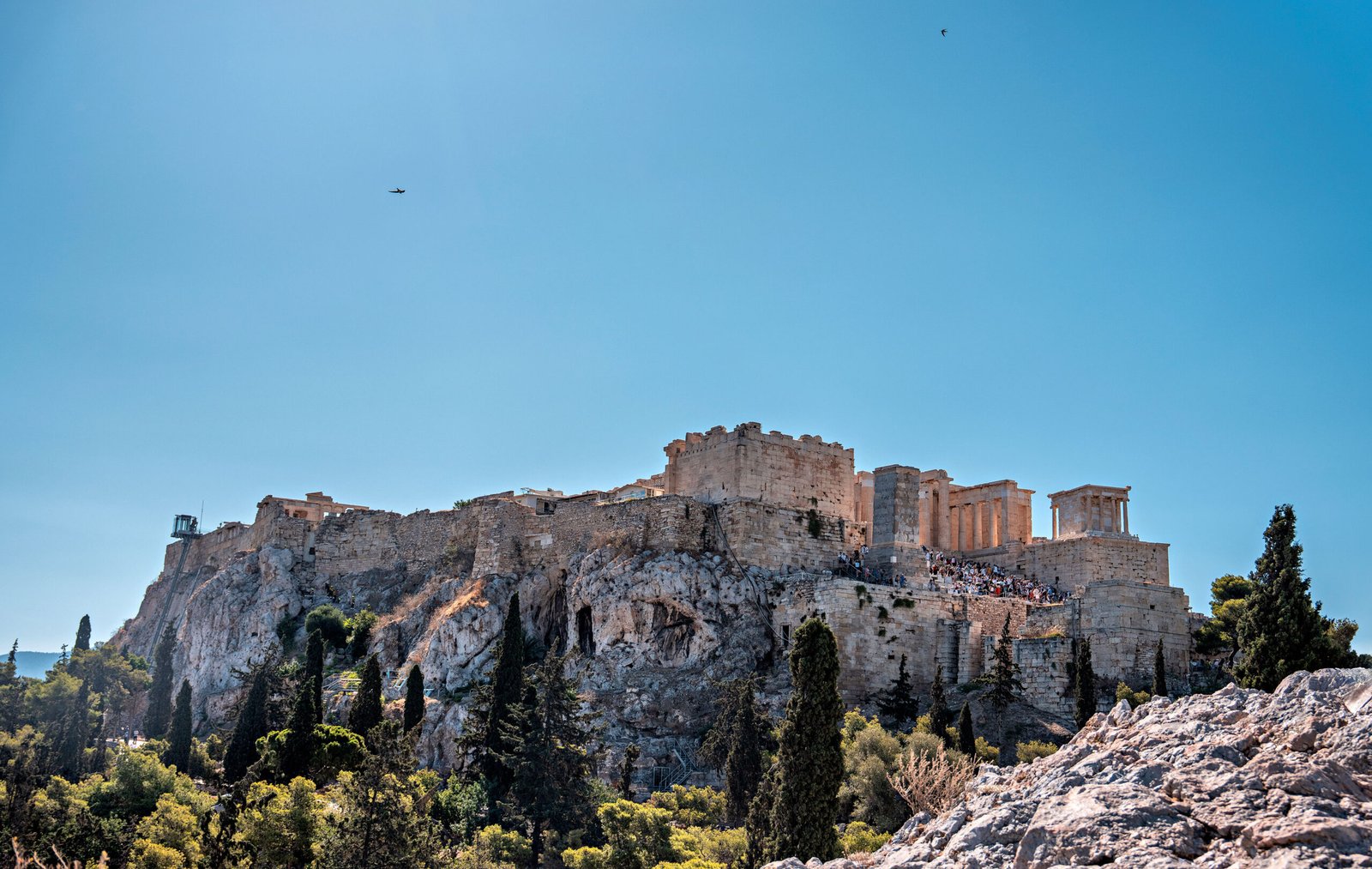
A deep blue sky, the strong contrast of ancient stone, and buildings recognised across the world often encourage photographers to create images that feel monumental. With a little processing, everything can appear grander than it truly is.
Yet while photographing there, I felt the need to restrain myself.
Places that carry a long history do not always require additional effects. Stones that have endured for thousands of years already hold their own stories.
I found myself drawn instead to simpler compositions. Natural light resting on a stone wall. A line of shadow appearing between narrow passages. Small moments that are often overlooked when we are too busy searching for grand images.
The longer I photograph, the more I realise that photography is not only about making something look impressive. Sometimes it is about preserving the honesty of what we see.
In a place like Athens, simplicity often creates space for the story to speak on its own.
Perhaps that is what I wish to protect in my photographs, allowing the image to remain faithful to the experience, rather than making it speak louder than the moment itself.
Searching for an Angle in a City Already Well Known
Athens is a city that has been photographed countless times.
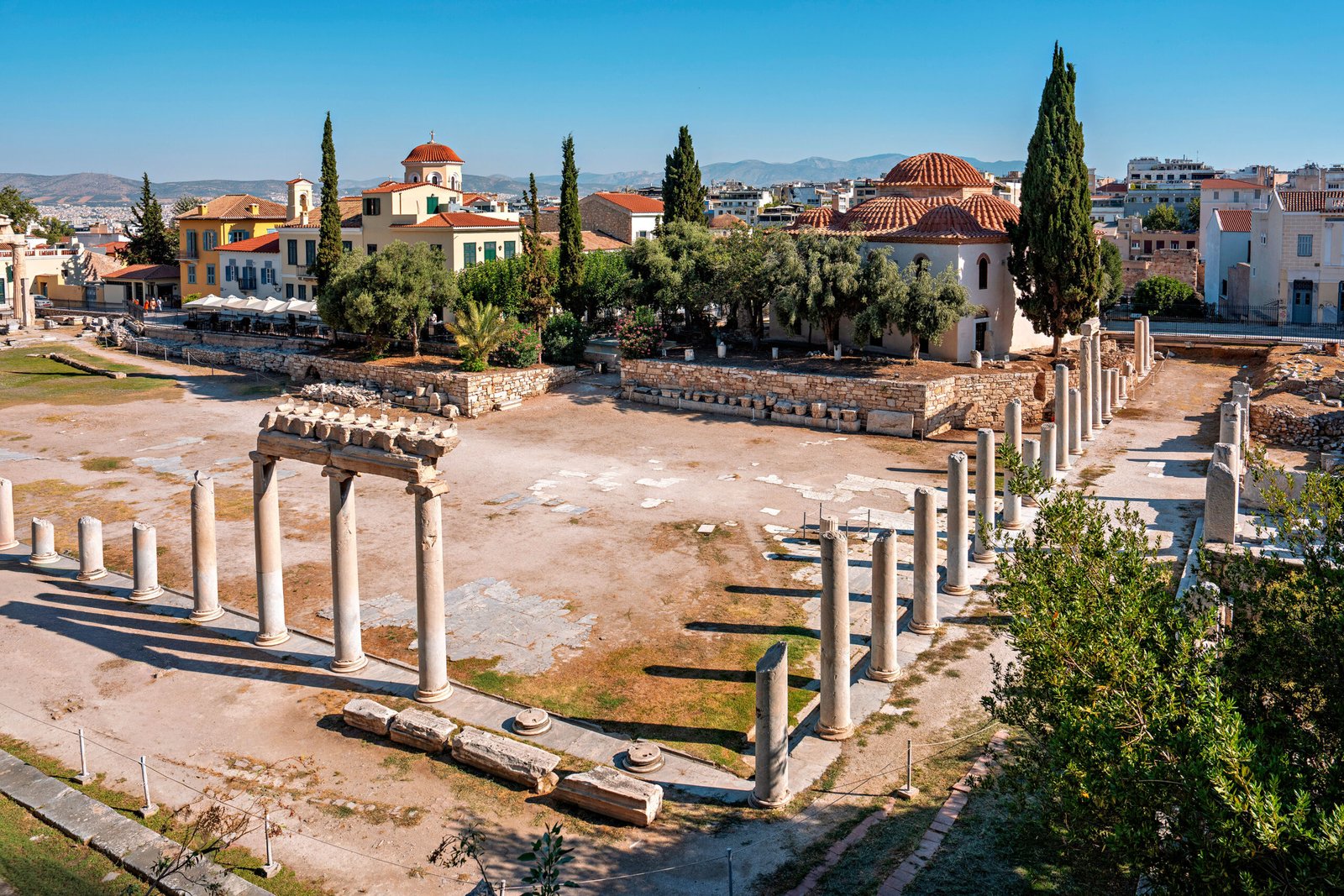
The Parthenon, the hill of Areopagus, and ancient ruins beneath a bright blue sky have appeared in thousands of images long before I arrived. That reality made me pause longer than usual before pressing the shutter.
I asked myself a simple question: what do I actually want to see here?
If I simply follow the same angles that appear in books or postcards, I might only repeat photographs that already exist.
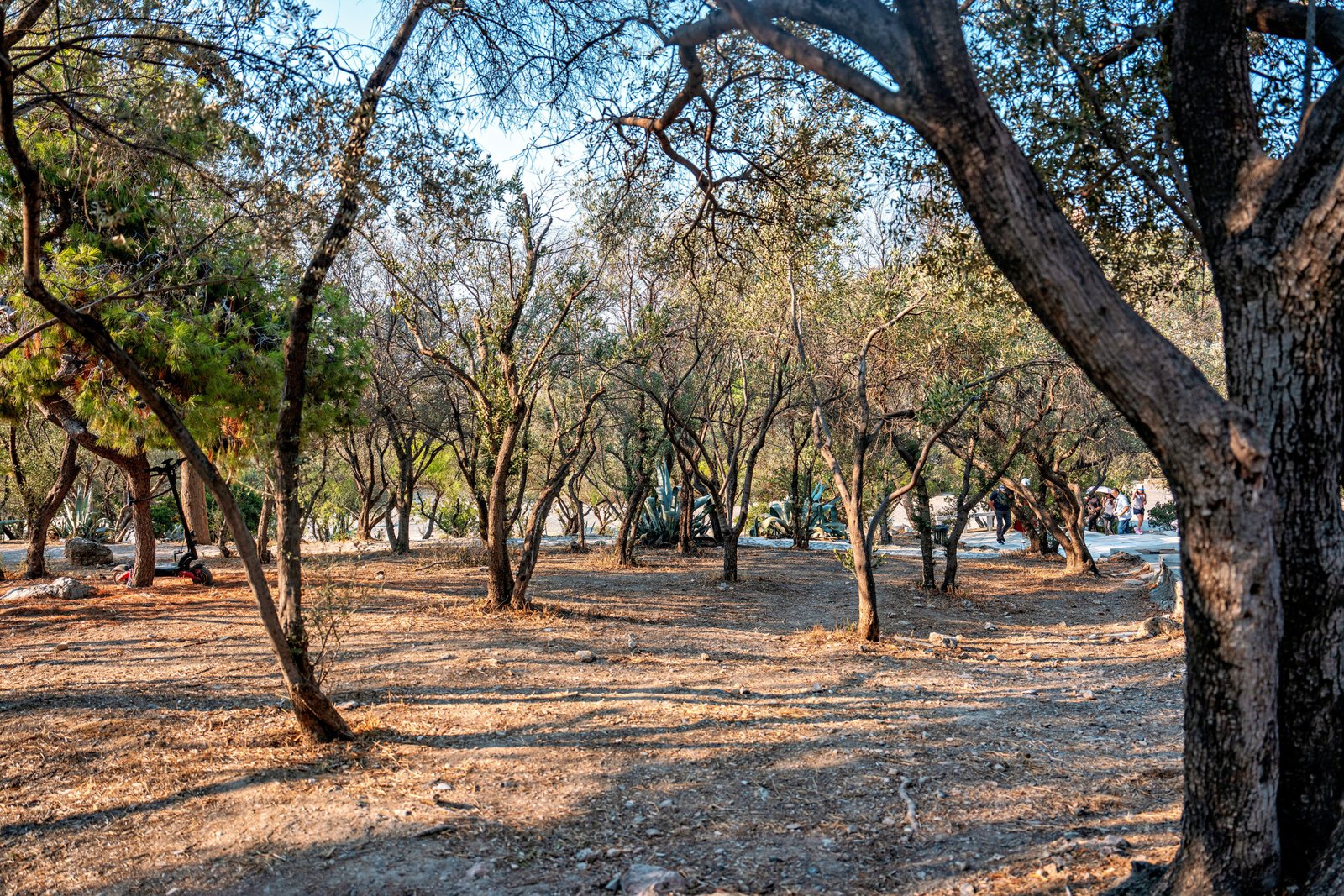
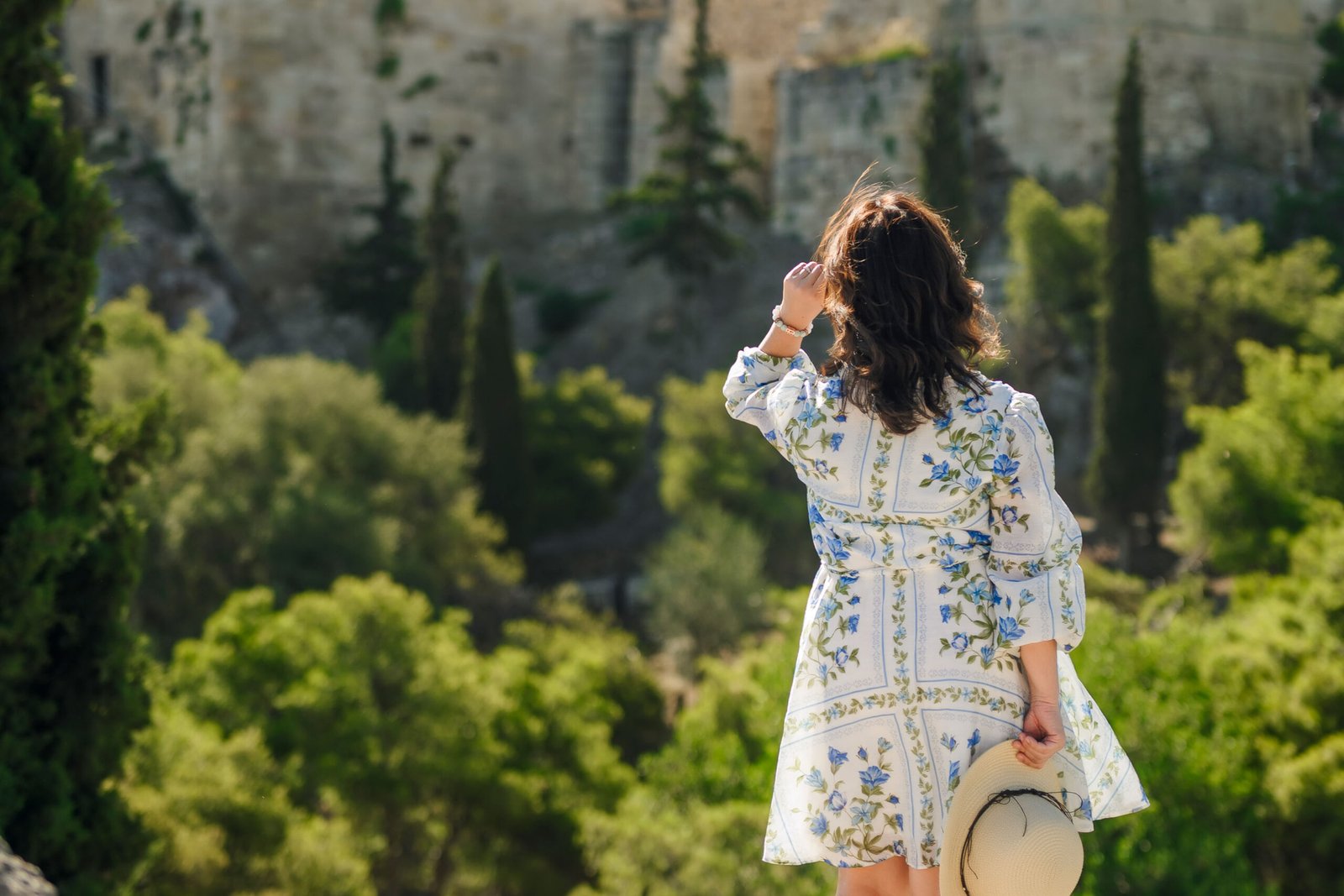
So I began walking a little further away from the busiest viewpoints. Sometimes I waited until people slowly moved out of the frame. At other times I simply watched how light rested on stones worn down by centuries of wind and footsteps.
In a place like Athens, the temptation to create dramatic photographs is very strong. Yet I felt the need to hold back. The city is already powerful with its own history.
What I searched for was not grandeur, but atmosphere.
A quieter corner.
A line of light crossing ancient stone.
Or an empty space that allows the image to breathe.
Photographing Athens reminded me that the greatest challenge is often not finding an interesting subject, but discovering a way to see it honestly.
And often that simply means walking a little slower, allowing the city to reveal itself in its own quiet beauty.
Athens and the Way I See Differences
Athens is often described as a city of history. Yet when I walked through it, I felt something else.
The city felt like a long conversation.
Among the ancient buildings that still stand, I imagined the people who once gathered there. They came with different thoughts, different beliefs, and ways of seeing the world that were not always the same.
Not every conversation led to agreement.
Yet the conversation continued.
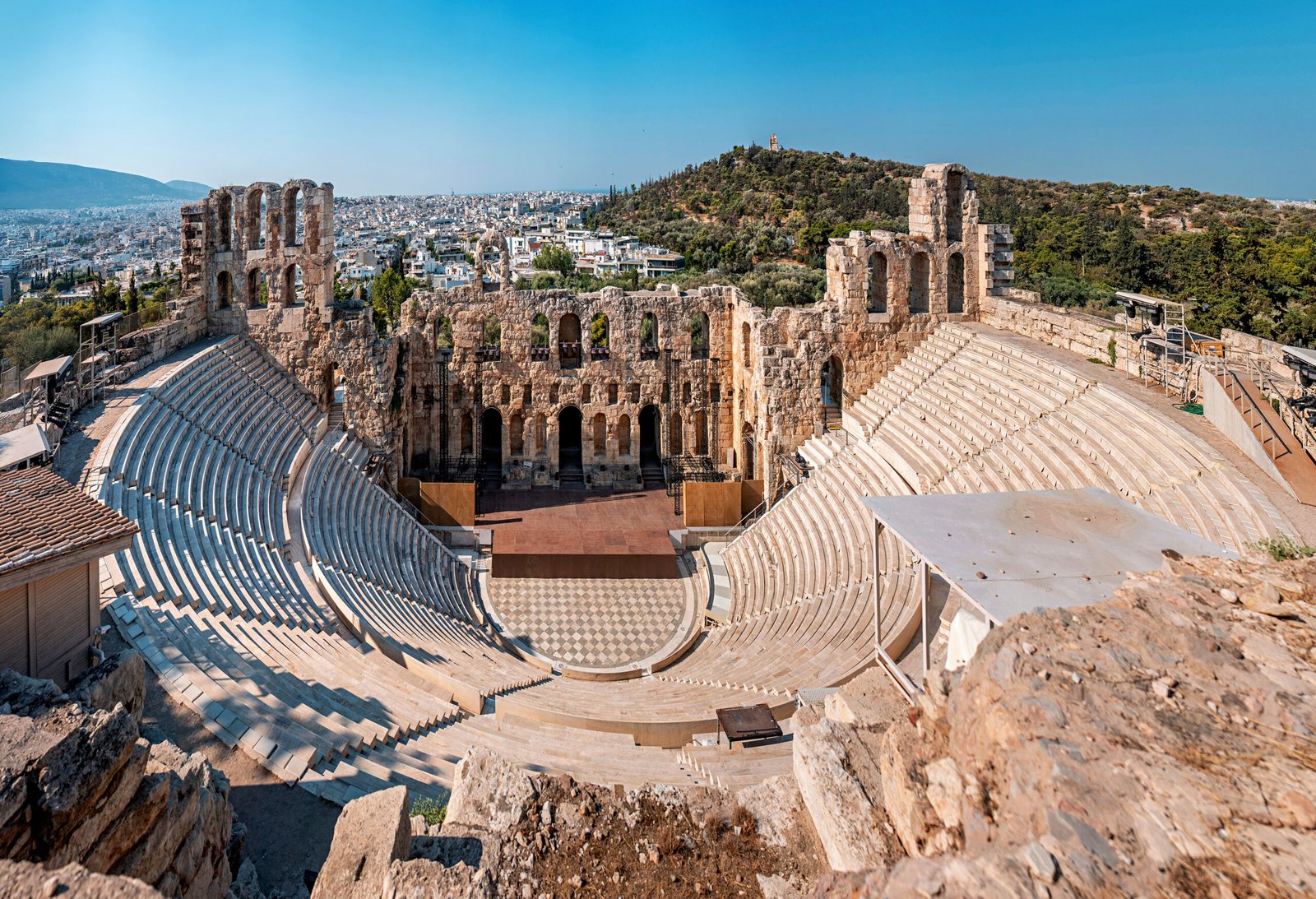
Standing at the Theatre of Dionysus, I paused for a moment, looking at the rows of stone seats facing the open stage. The place was quiet when I arrived, but it was easy to imagine how thousands of people once sat there.
They came to watch ancient Greek dramas, works by writers such as Sophocles, Euripides, and Aeschylus. These stories spoke about human life, about choices, mistakes, hope, and a fate that we do not always fully understand.
Some say that human life itself is not so different from a drama. Each of us arrives with our own role, moving through events we do not always plan, and slowly trying to understand what it all means.
Perhaps that is why Greek drama still feels close to life today. It is not only about the characters on stage, but about human experiences that continue to repeat across time.
Looking at those stone seats facing the open stage, I imagined how people once sat there together, watching stories about people like themselves.
They may not always have returned home with the same answers.
But they returned with a slightly broader understanding of life.
I walked through these places without thinking too deeply about their history. Yet slowly, a small realisation emerged.
All this time, I have often wanted to understand everything quickly. When faced with differences, there is an urge to explain them immediately, or to bring them together.
As if everything needs to become clear at once.
Yet the world does not always work that way.
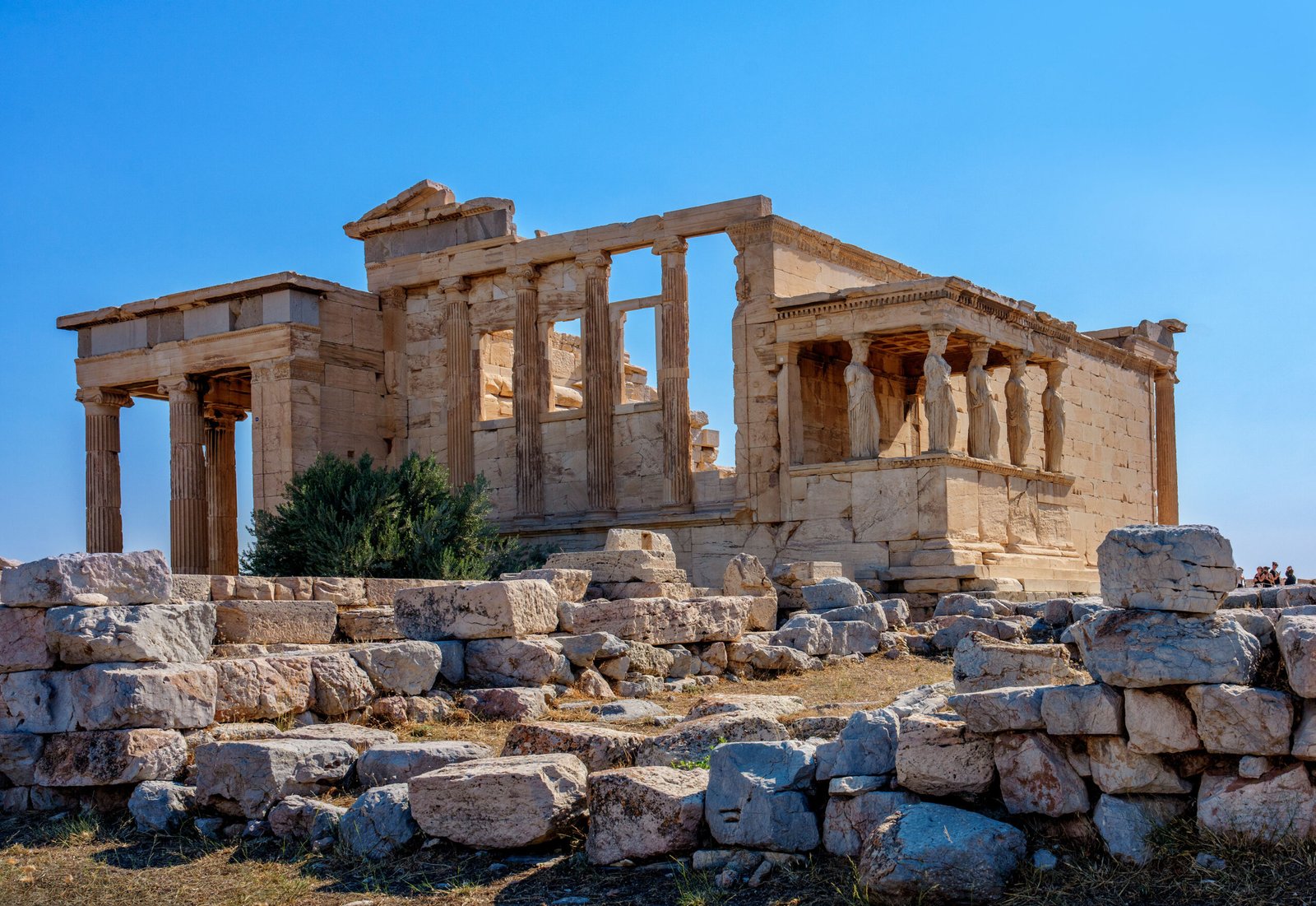
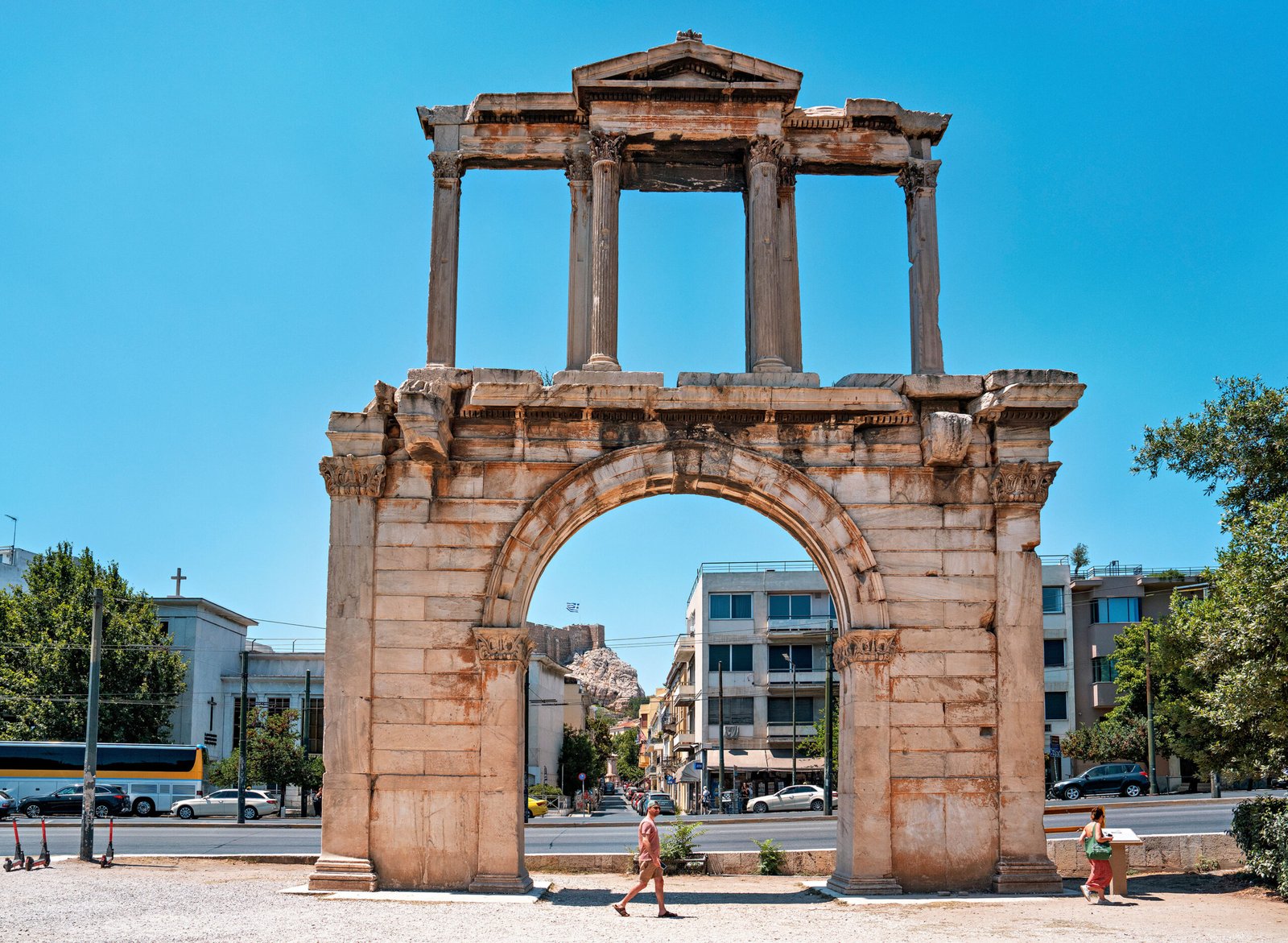
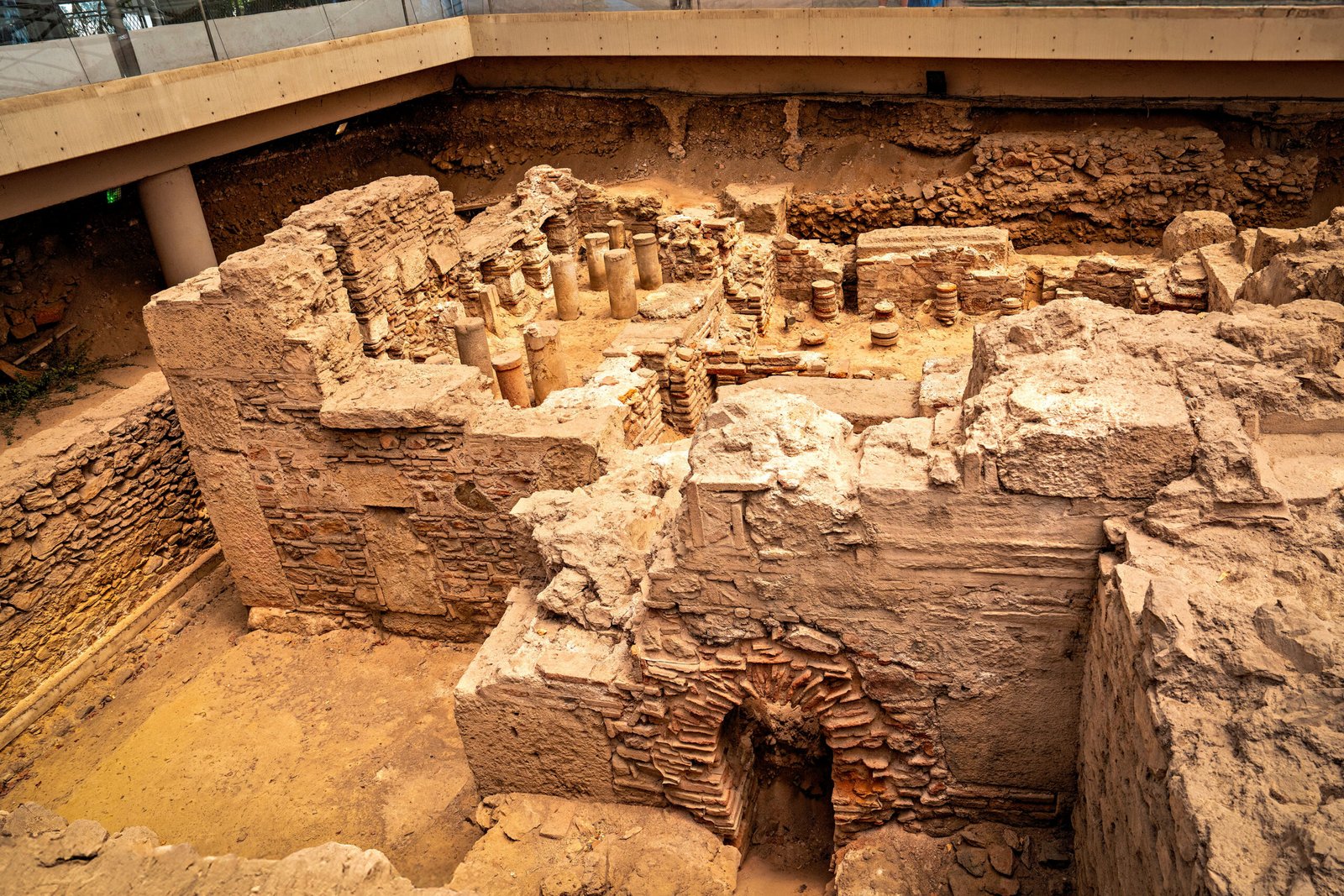
In Athens, I saw how different layers of life can exist side by side. Ancient structures stand within a modern city. Different beliefs and ways of thinking move within the same space.
Not everything has to be the same.
And perhaps it does not need to be.
This journey did not give me new answers.
But it gave me something simpler, the ability to see differences with a little more calm.
Sometimes it is enough to realise that the world is wider than the way we understand it.
And that small awareness often makes us more open.
Why I Started This Journal
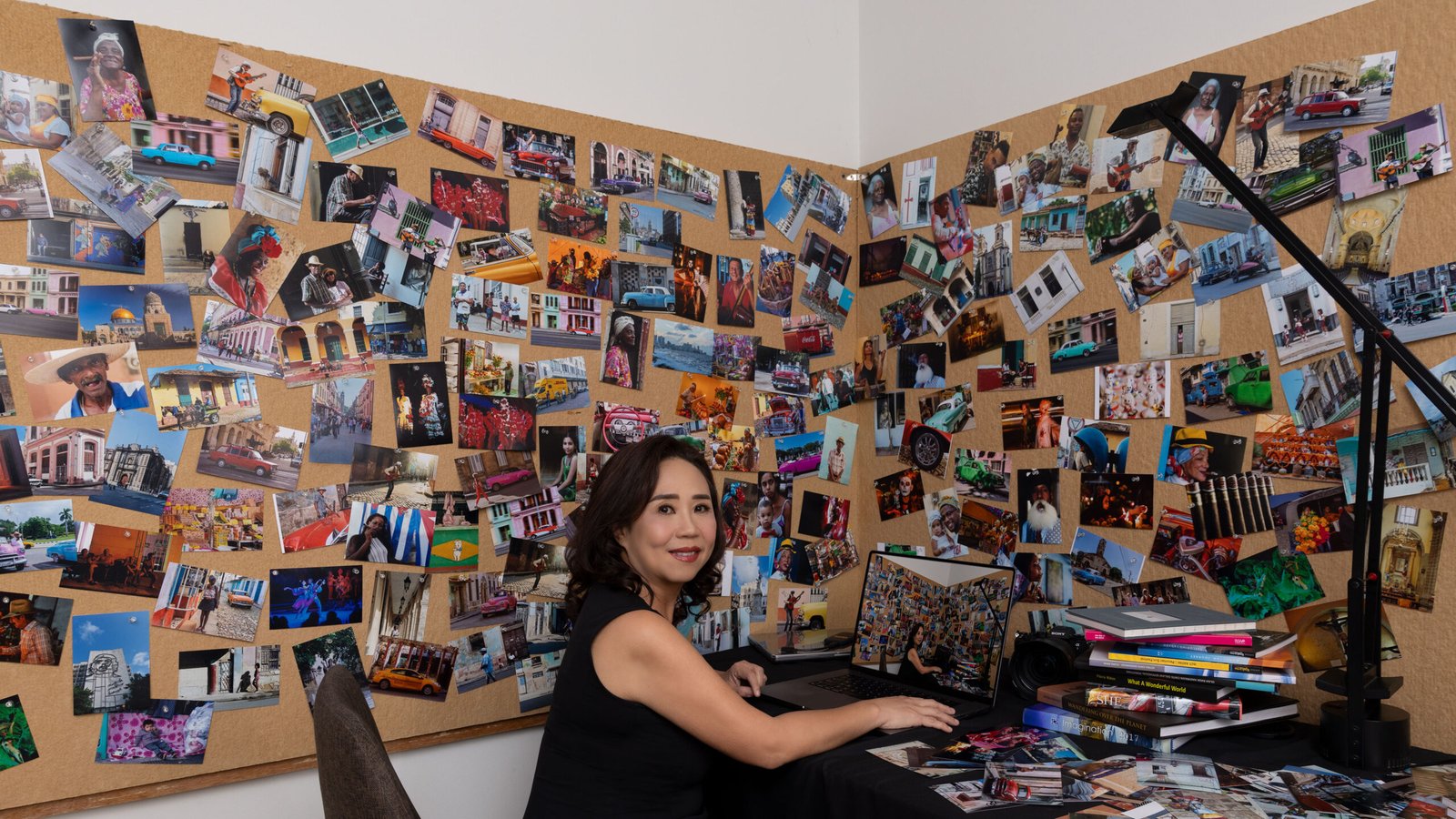
I have been photographing and travelling for a long time. From every journey, I always return with many photographs. Some I keep, some I print, and a few eventually find their way into exhibitions.
Yet recently, I began to realise something simple: a journey does not always end when we return home and put the camera down.
There are experiences that linger longer than I expect. Not merely because of the photographs, but because of the questions that follow. The way I see things shifts slowly, sometimes without me noticing.
A journey, it turns out, does not only move us from one place to another. It also, gradually, shifts the way we look at the world.
Since childhood, I have always enjoyed writing. I wrote about experiences, feelings, and the small details I encountered. From there, quiet conversations with myself would emerge, a gentle way of understanding what I was going through.
When I began photographing and travelling to different places, that desire to write returned.
I wanted a space that would not only hold photographs, but also hold the thoughts that arise along the way.
Sometimes a place does not immediately reveal its meaning. It needs time to be understood.
More often than not, it is only after returning home, when everything has settled, that I begin to see the journey differently.
That is where writing becomes important.
Writing helps me hold on to things that are easily lost: small feelings that appear in a place, questions that arise unexpectedly when seeing something, or a sense of gratitude that arrives unannounced.
If they are not written down, these experiences often pass by unnoticed.
This journal is not an attempt to explain the world. The world is far too vast to be explained simply.
For me, this journal is more like a space to organise the way I understand the world.
The writings here may not always be complete. Not always perfect. Sometimes they are only fragments of thoughts that emerge after a journey.
Yet that is precisely where their honesty lies.
I do not write to appear knowledgeable.
I write so that I do not stop learning how to see.
And perhaps, for me, that is the most honest reason to begin this journal.