

The Overlooked Corner
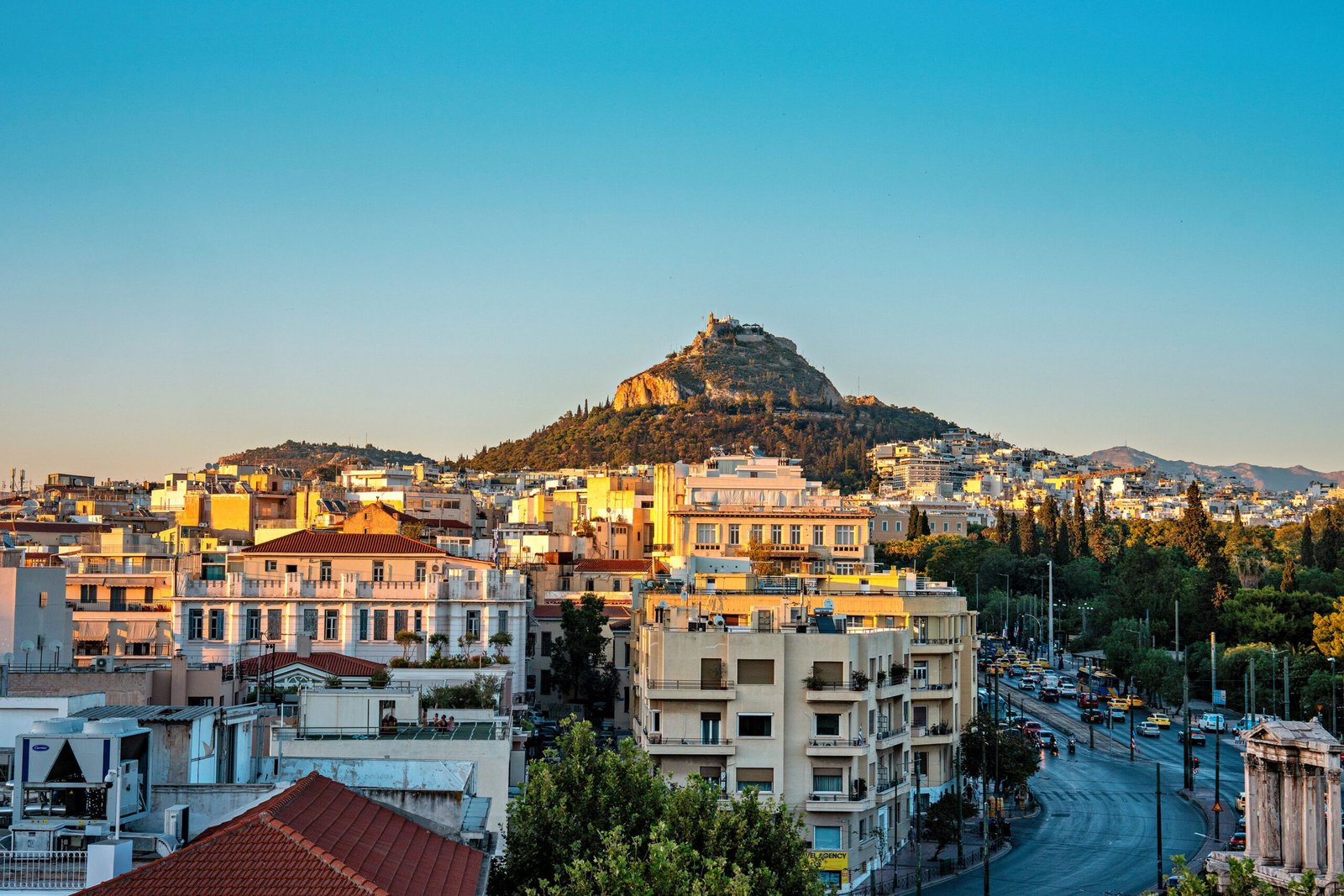
Athens is a city that has been photographed countless times. From a distance, everything appears clear… the hills, the buildings, and the traces of history that feel so familiar.
I stood for quite a while before lifting my camera to take a photograph, not because I did not know what to capture, but because it felt as though everything had already been shown.
That day, I was walking with a local photographer whom I happened to meet in a café. I asked him if there were still corners of Athens that had not been widely exposed. He did not answer at length, he simply invited me to walk a little further away from the crowds.
On the northern slope of the Acropolis, I found a small neighbourhood called Anafiotika. White houses stood modestly along narrow streets, and the atmosphere felt like a small village hidden within the city. There was a sense of familiarity among its residents.
It is said that in the 19th century, after Greece gained independence, Athens began to be rebuilt as the capital. Workers came from various places, including a small island called Anafi.
They were stonemasons who initially arrived to build the city, yet later built homes for themselves. Without a grand plan and without formal architecture, they simply followed what they knew from their island of origin: white houses, narrow streets, and buildings that adapted to the contours of the land.
Slowly, a “small village” formed in the middle of Athens. That is what is now known as Anafiotika.
What is striking is how this place does not feel like part of a large city. It feels more like a memory that remains, about home, about origin, and about a simple way of life. Beneath the shadow of the grand Acropolis, and perhaps because of it, it is often overlooked.
I find myself more drawn to the things that are easily missed, the line of light on a wall, the shadow falling on a staircase, or a small space that feels complete without needing to be filled with much.
Sometimes I stop longer than usual, not to wait for something to happen, but to give myself time to truly see.
Sometimes I simply wait.
Waiting until the footsteps around me fade.
Waiting until the light softens.
Waiting until the atmosphere feels still.
There are moments when nothing really happens, yet it is precisely then that I feel most present.
I am no longer in a hurry to take a photograph. It feels as though the image does not need to be chased. It will arrive on its own, when everything has found its time.
And perhaps, in a city that has been seen so often, what is overlooked is not the corner itself, but the chance to pause, and to truly see.

Searching for an Angle in a City Already Well Known
Athens is a city that has been photographed countless times.
The Parthenon, the hill of Areopagus, and ancient ruins beneath a bright blue sky have appeared in thousands of images long before I arrived. That reality made me pause longer than usual before pressing the shutter.
I asked myself a simple question: what do I actually want to see here?
If I simply follow the same angles that appear in books or postcards, I might only repeat photographs that already exist.
So I began walking a little further away from the busiest viewpoints. Sometimes I waited until people slowly moved out of the frame. At other times I simply watched how light rested on stones worn down by centuries of wind and footsteps.
In a place like Athens, the temptation to create dramatic photographs is very strong. Yet I felt the need to hold back. The city is already powerful with its own history.
What I searched for was not grandeur, but atmosphere.
A quieter corner.
A line of light crossing ancient stone.
Or an empty space that allows the image to breathe.
Photographing Athens reminded me that the greatest challenge is often not finding an interesting subject, but discovering a way to see it honestly.
And often that simply means walking a little slower, allowing the city to reveal itself in its own quiet beauty.