Sometimes a city does not only hold history. It holds time.
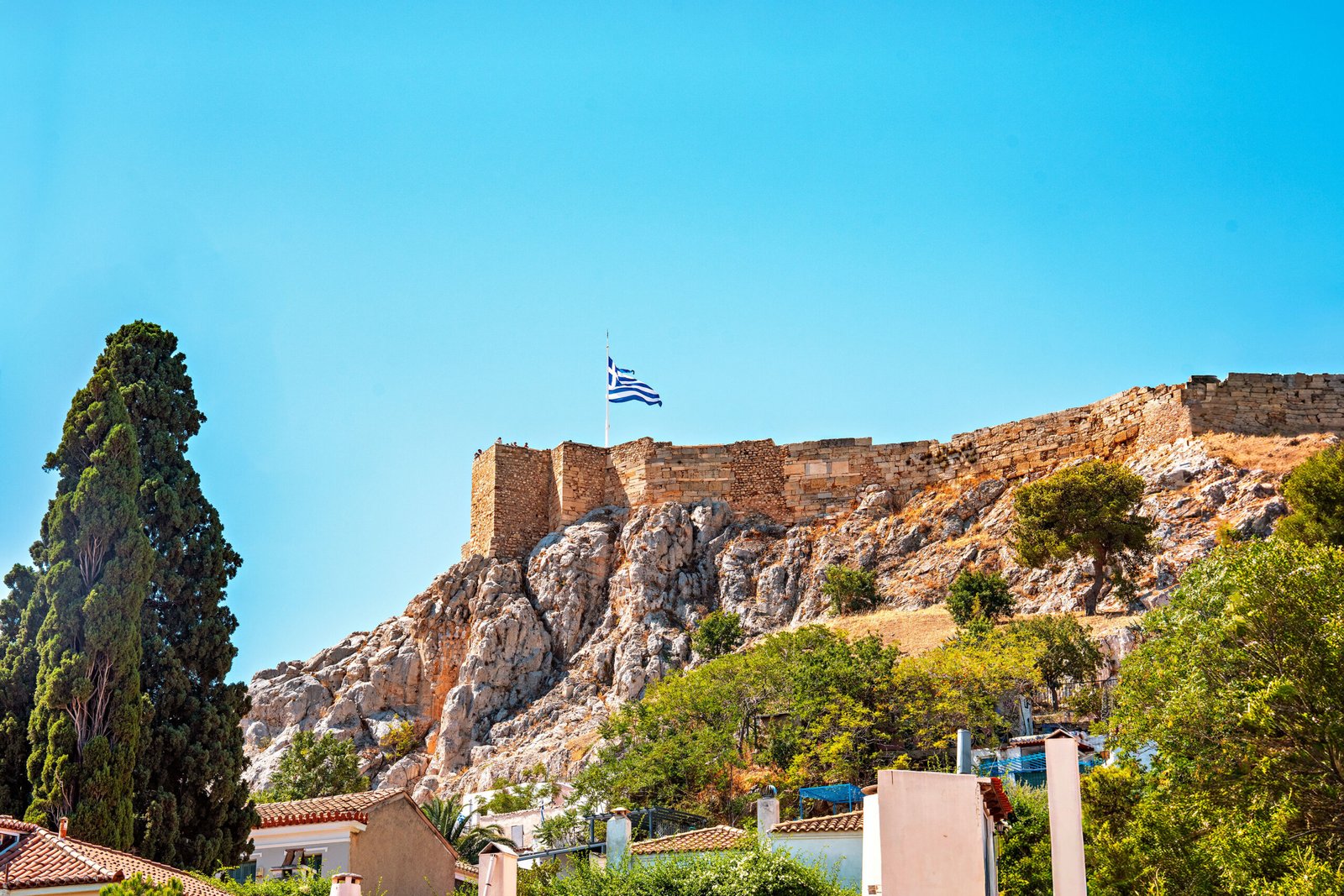
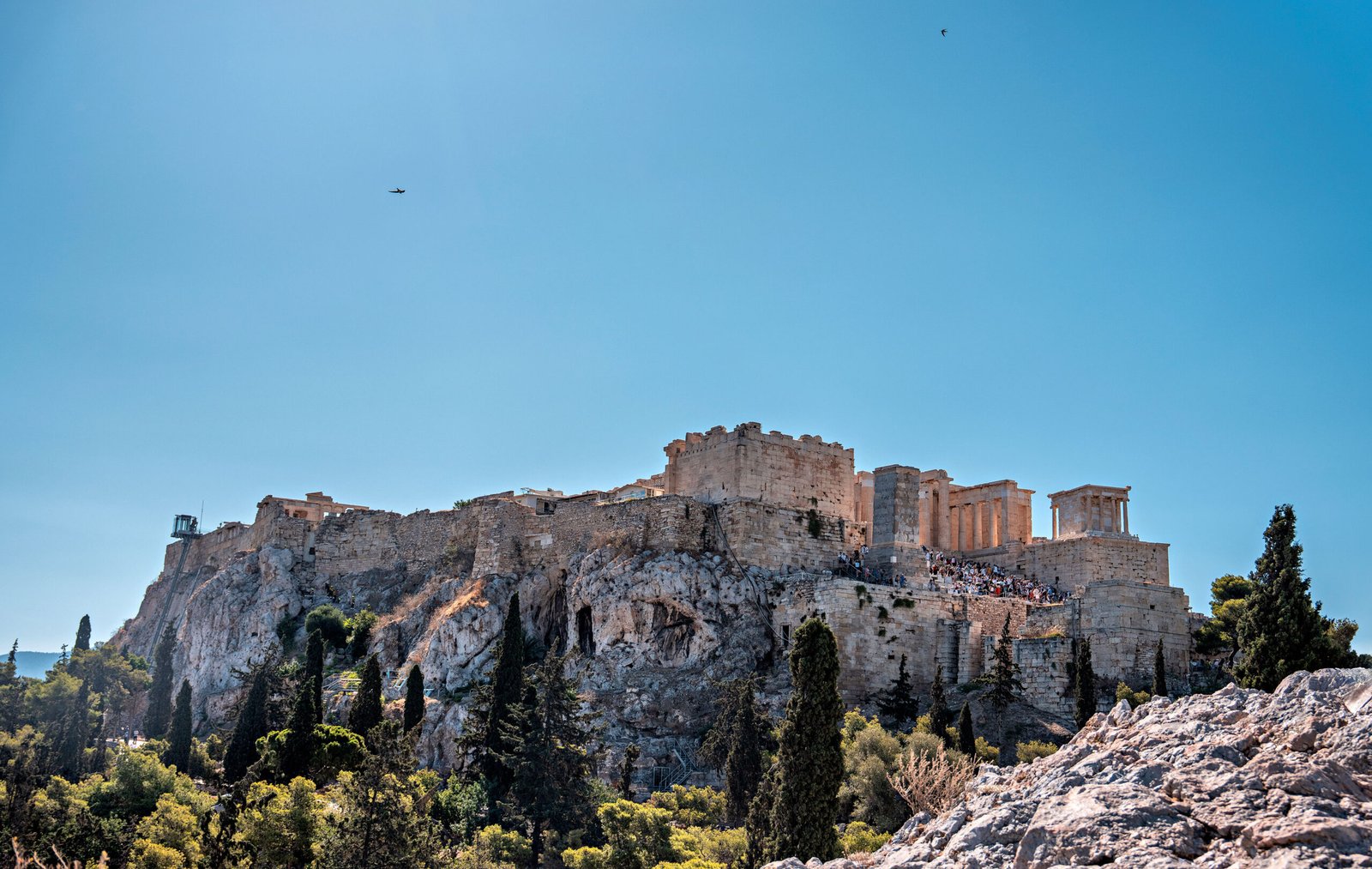
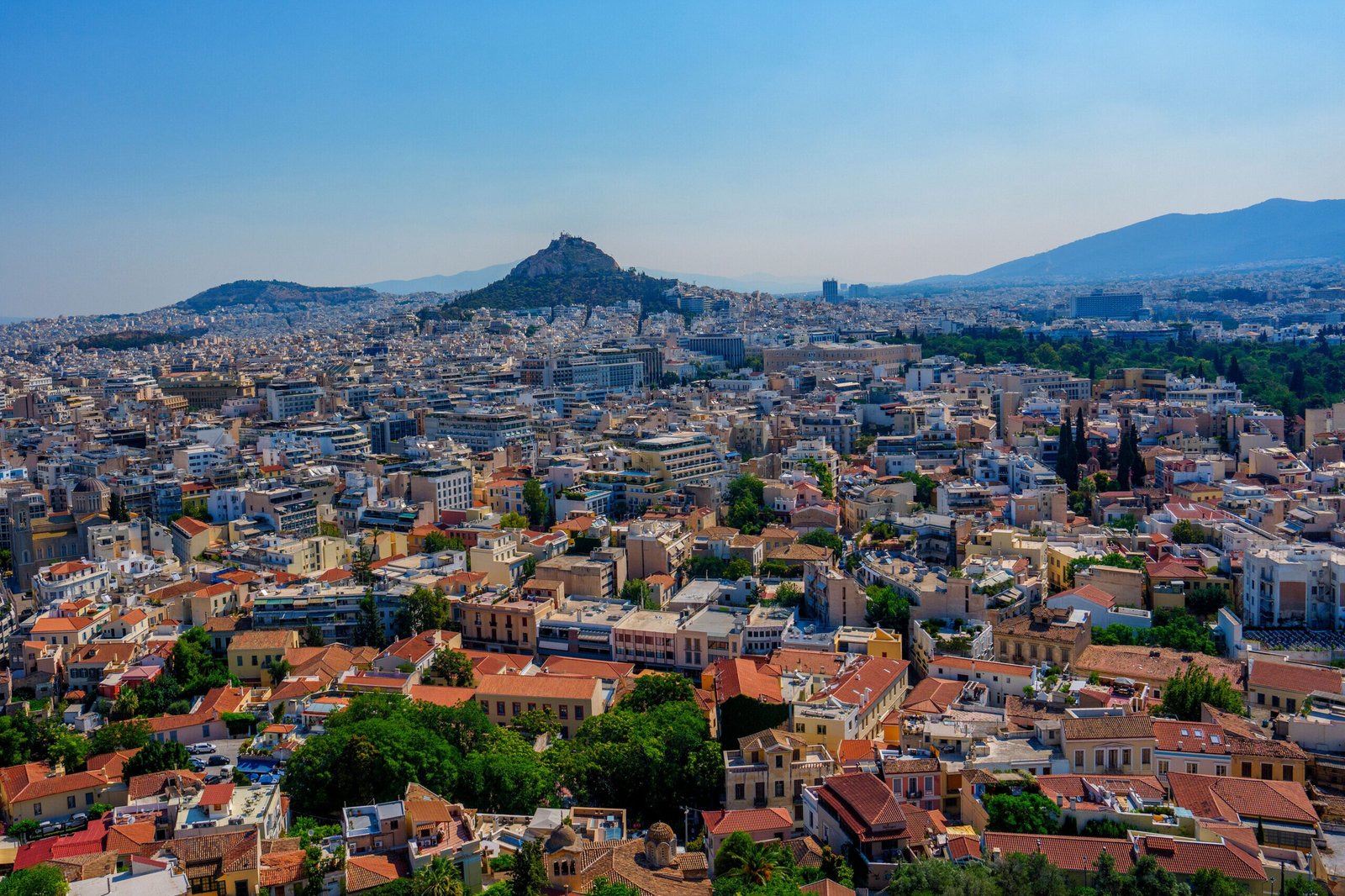
The longer I walk through Athens, the more it feels that this city is very old, not only old in years, but old in the way it keeps its past. From many corners of the city, the Acropolis is always visible, standing on its rocky hill. Above it, the Greek flag moves in the wind.
The view feels like a meeting of two eras, an ancient city that still stands, and a modern nation living around it.
Athens feels like a city that has never truly left its past behind.
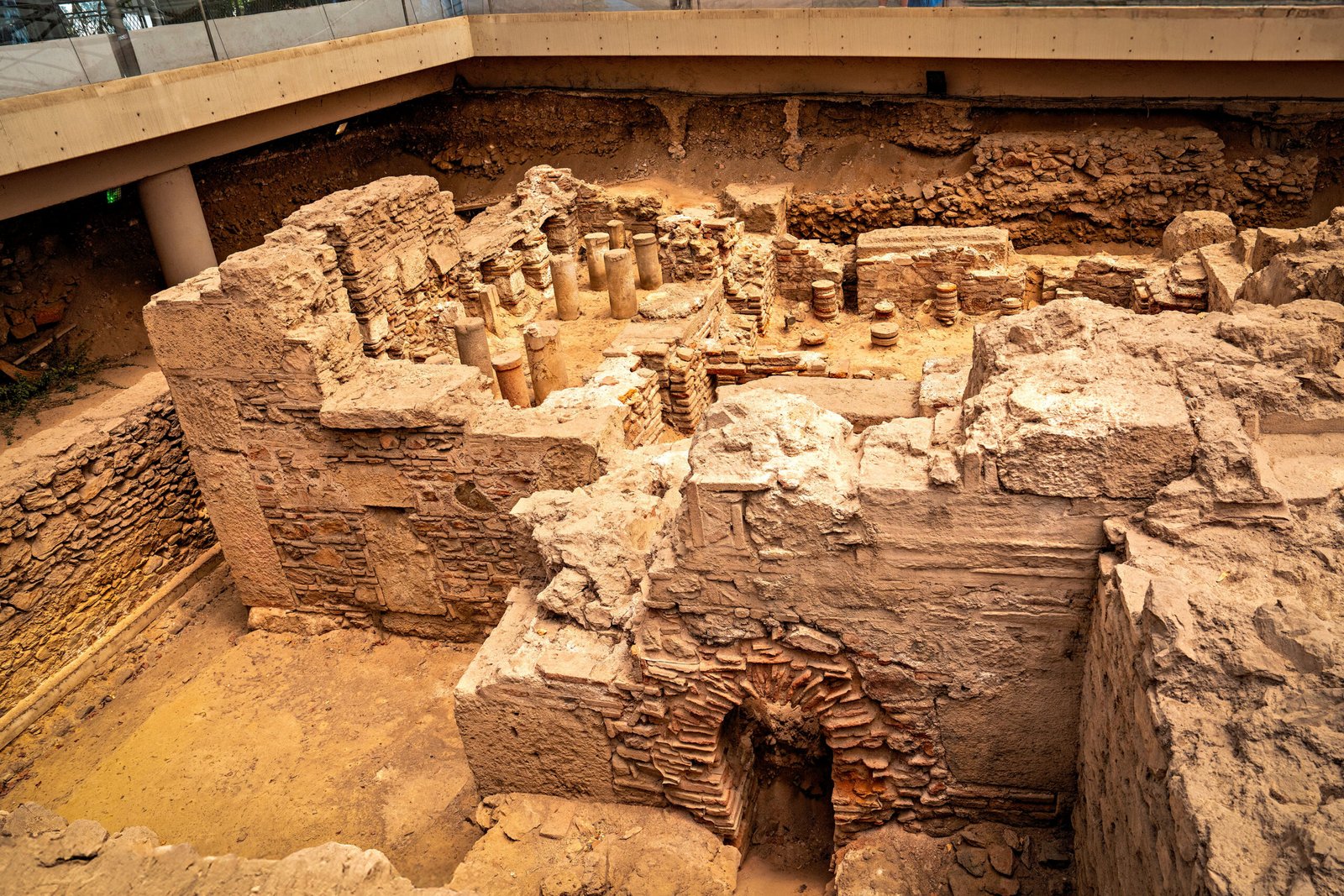
In some parts of the city, archaeological excavations are clearly visible. Beneath modern streets and buildings still in use, there are remains of a much older city.
Stone foundations, fragments of walls, and old corridors appear among today’s life.
At times, I feel as if I am walking on a city that stands upon itself. Athens does not truly erase its past. It simply adds new layers.
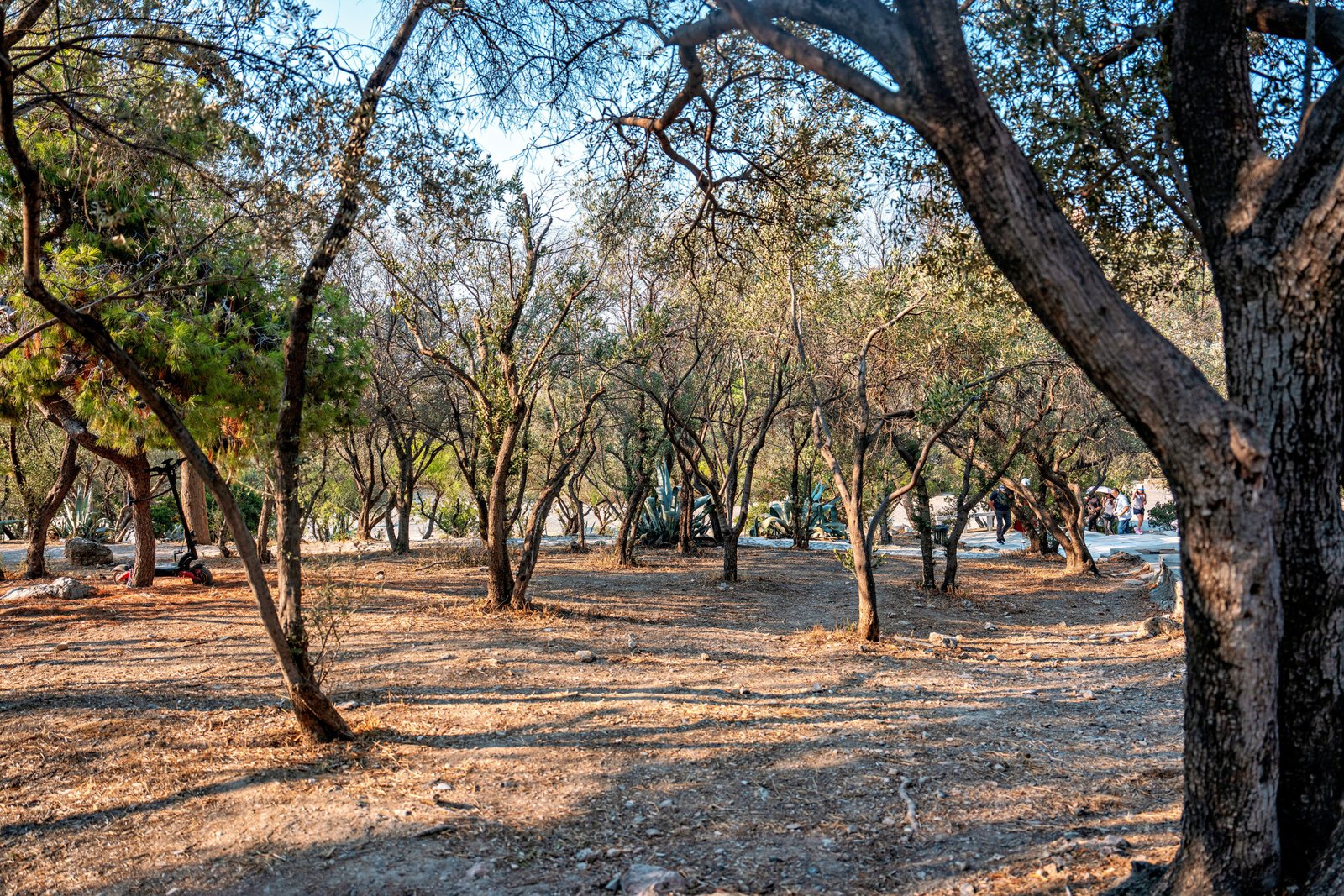
Even the name of the city itself comes from a very old story. Ancient Greeks told of two gods competing to become the protector of this city, Poseidon and Athena. Poseidon struck the ground with his spear and brought forth water. Athena offered something simpler, an olive tree. The tree gave food, oil, wood, and life. The people chose Athena’s gift.
Walking among olive trees today, the legend does not feel distant, as if the old story still breathes softly among leaves moving in the wind.
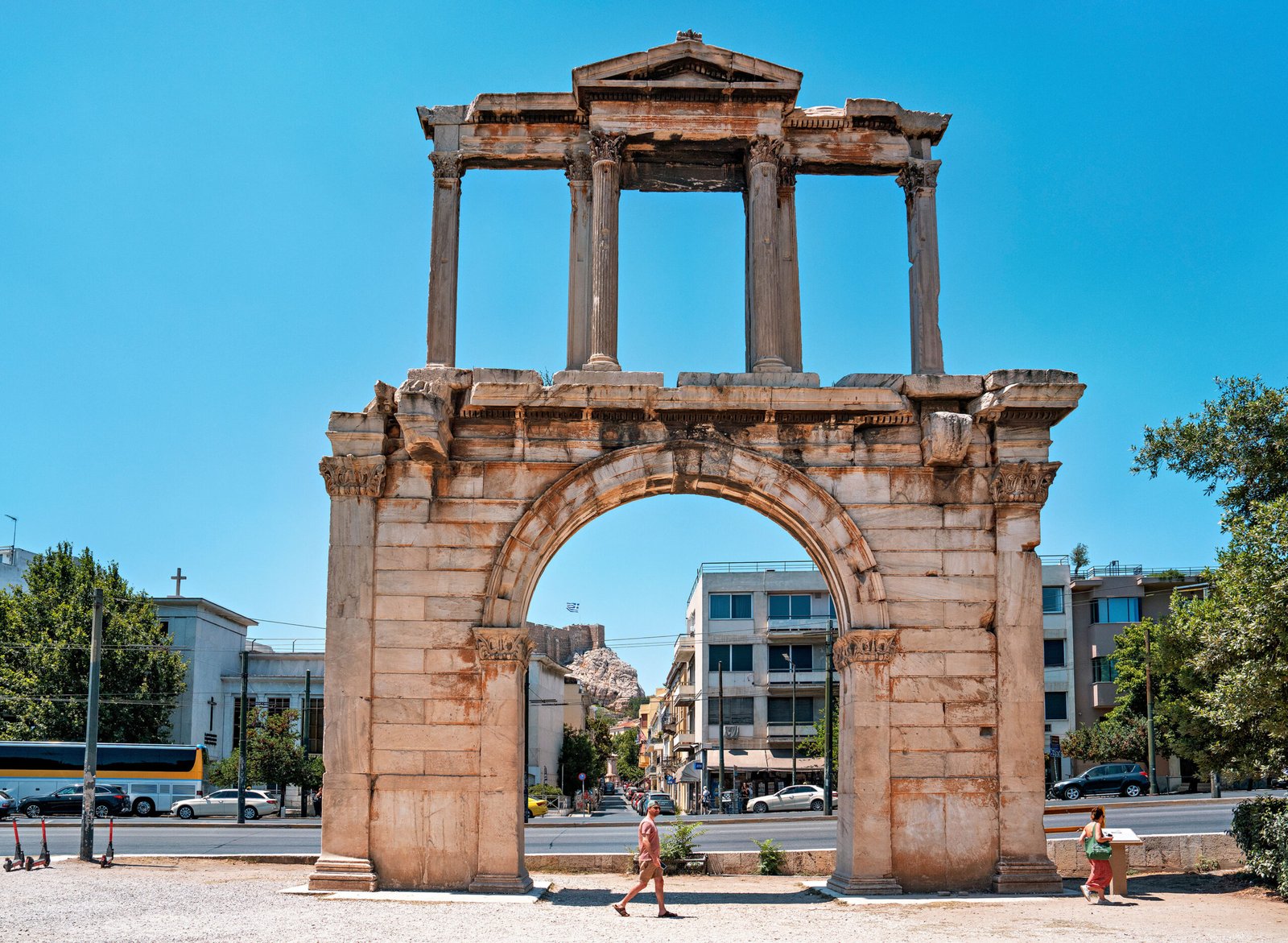
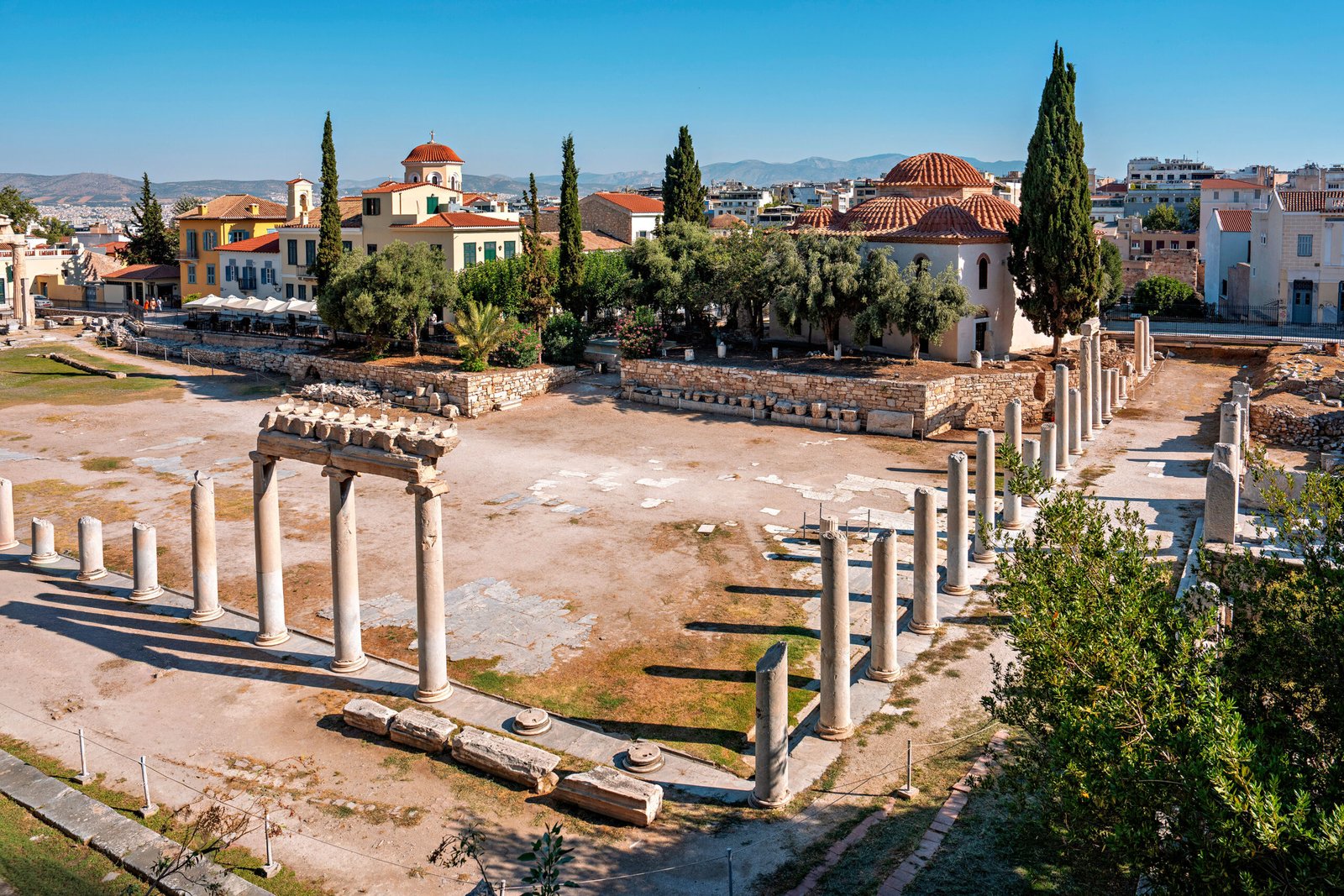
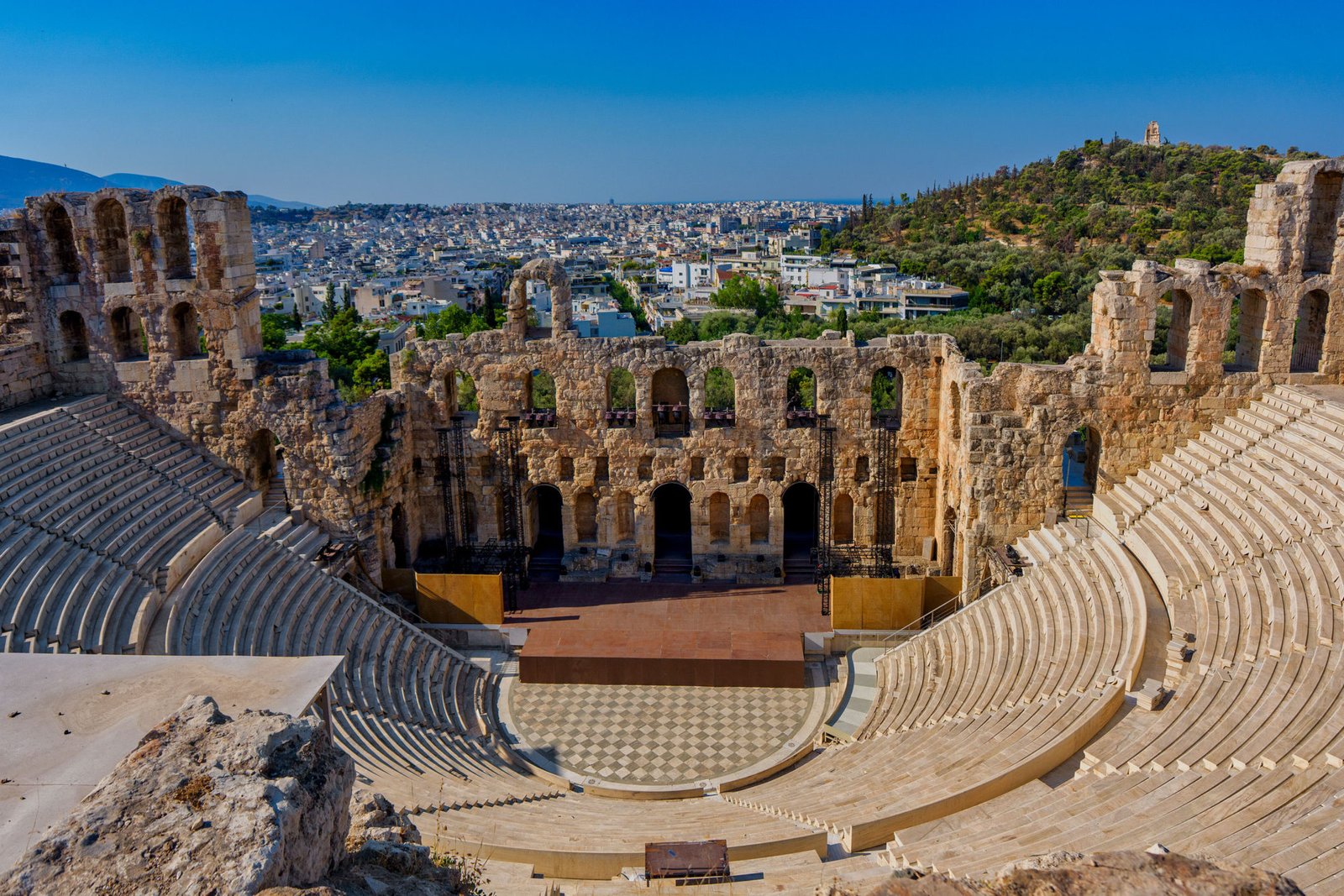
In Athens, the boundary between eras often feels thin. Gates, walls, and ruins stand in the middle of the modern city without feeling out of place. They are not moved or hidden. They remain where they are, becoming part of the city’s life today.
In some metro stations, ruins discovered during construction are left visible behind glass walls. People pass them every day, on their way to work or back home. Beneath them lie traces of lives that existed thousands of years before. Seeing this makes me pause for a moment.
Time in Athens does not feel like a straight line. It feels like layers stacked upon each other, era after era, life after life. And perhaps that is why Athens feels so alive. The past does not disappear. It remains part of today.
And while walking through this city, I feel as if I am moving through time that is still quietly breathing.