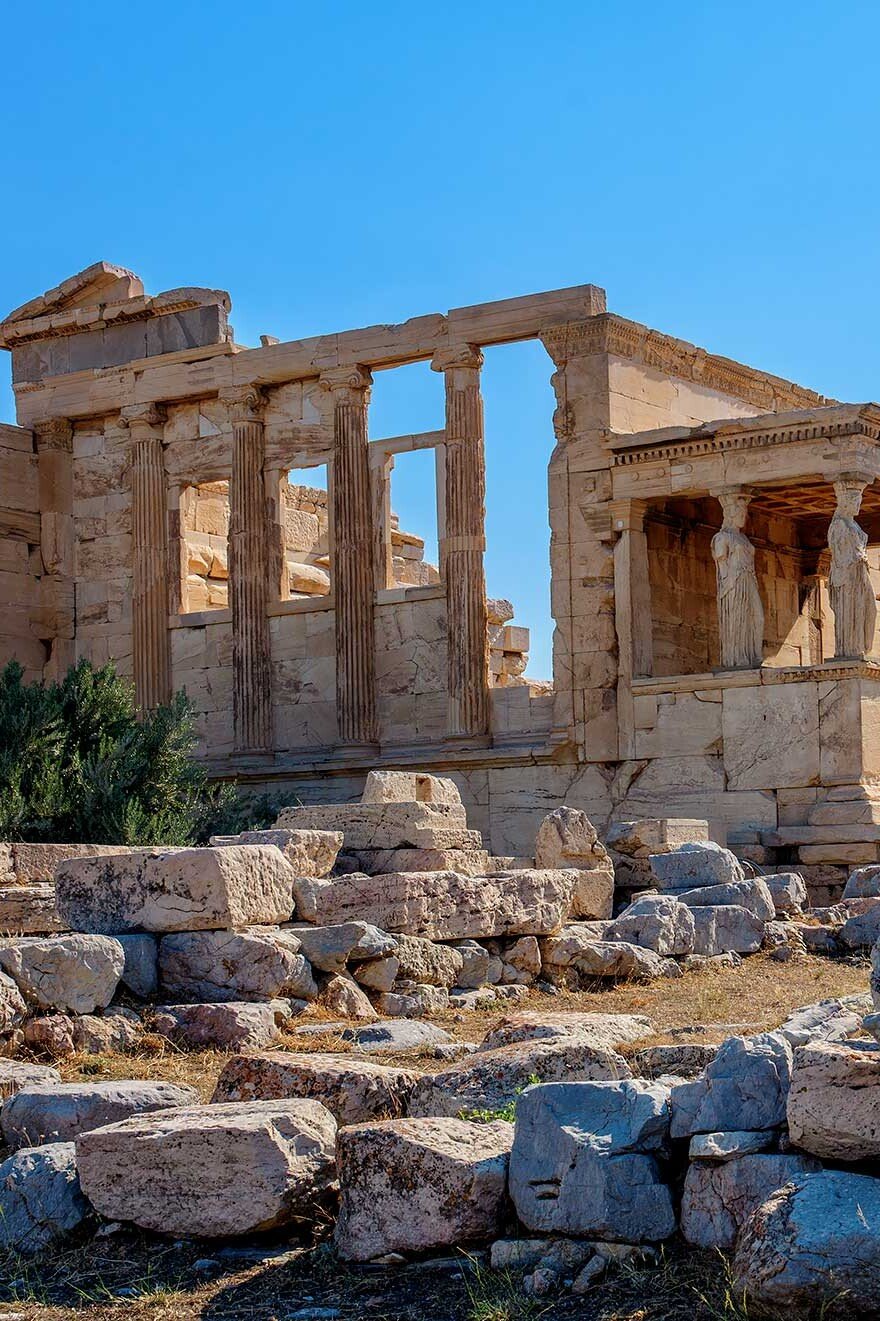

Meteora: Between Rock & Sky
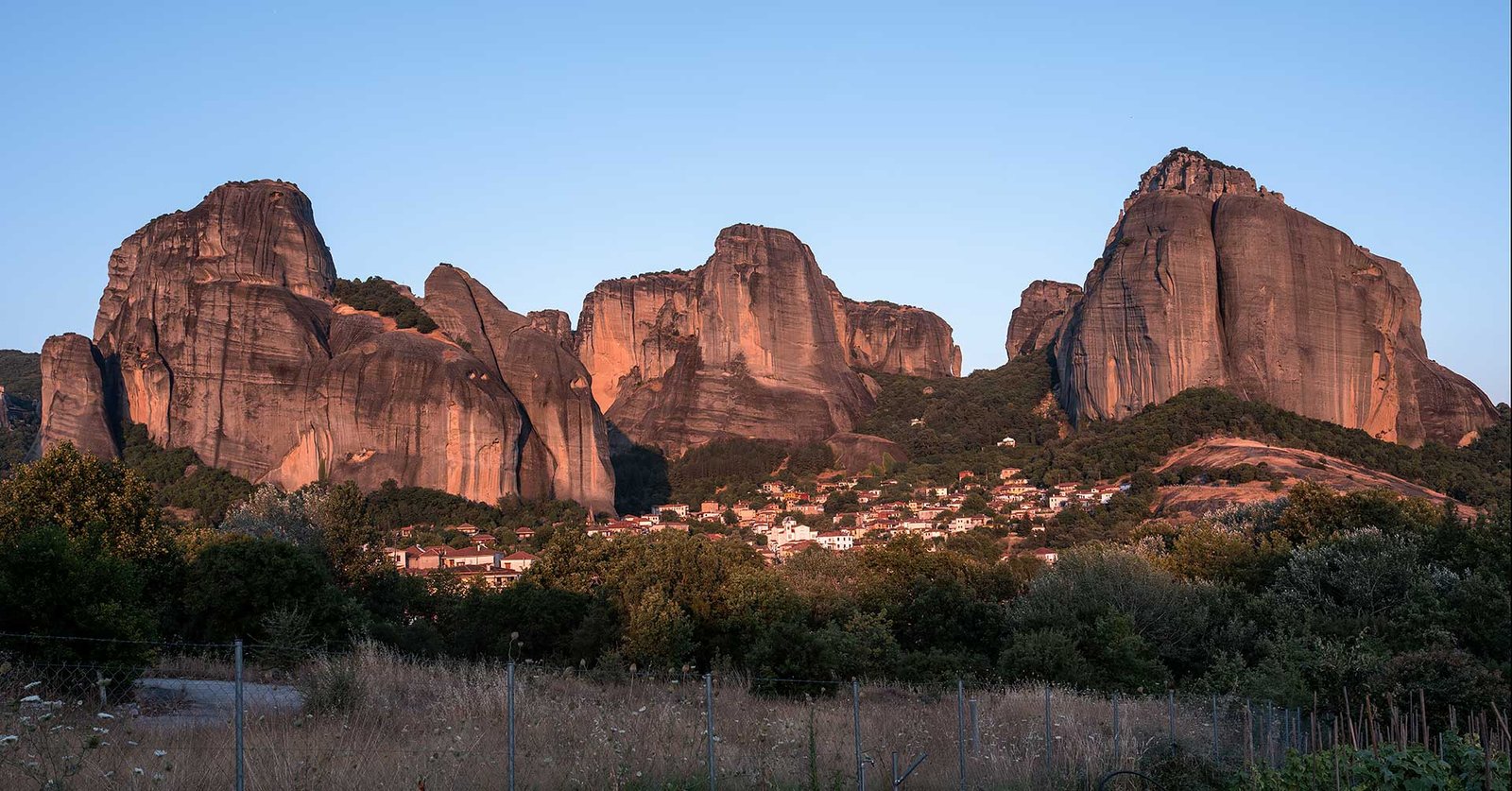
Meteora feels strange from the very first glimpse. From a distance, these massive rocks rise up like islands lifted straight out of the earth, and small monasteries sit on top of them, quiet, almost untouched by the world below.
I chose to visit one, the Holy Monastery of St. Stephen. Getting there isn’t especially hard, but the walk still puts some distance between you and everything down below. The closer I got, the more things shifted. Sound fell away, my steps slowed down without me really deciding to slow them, and I found myself paying attention to smaller things than usual.
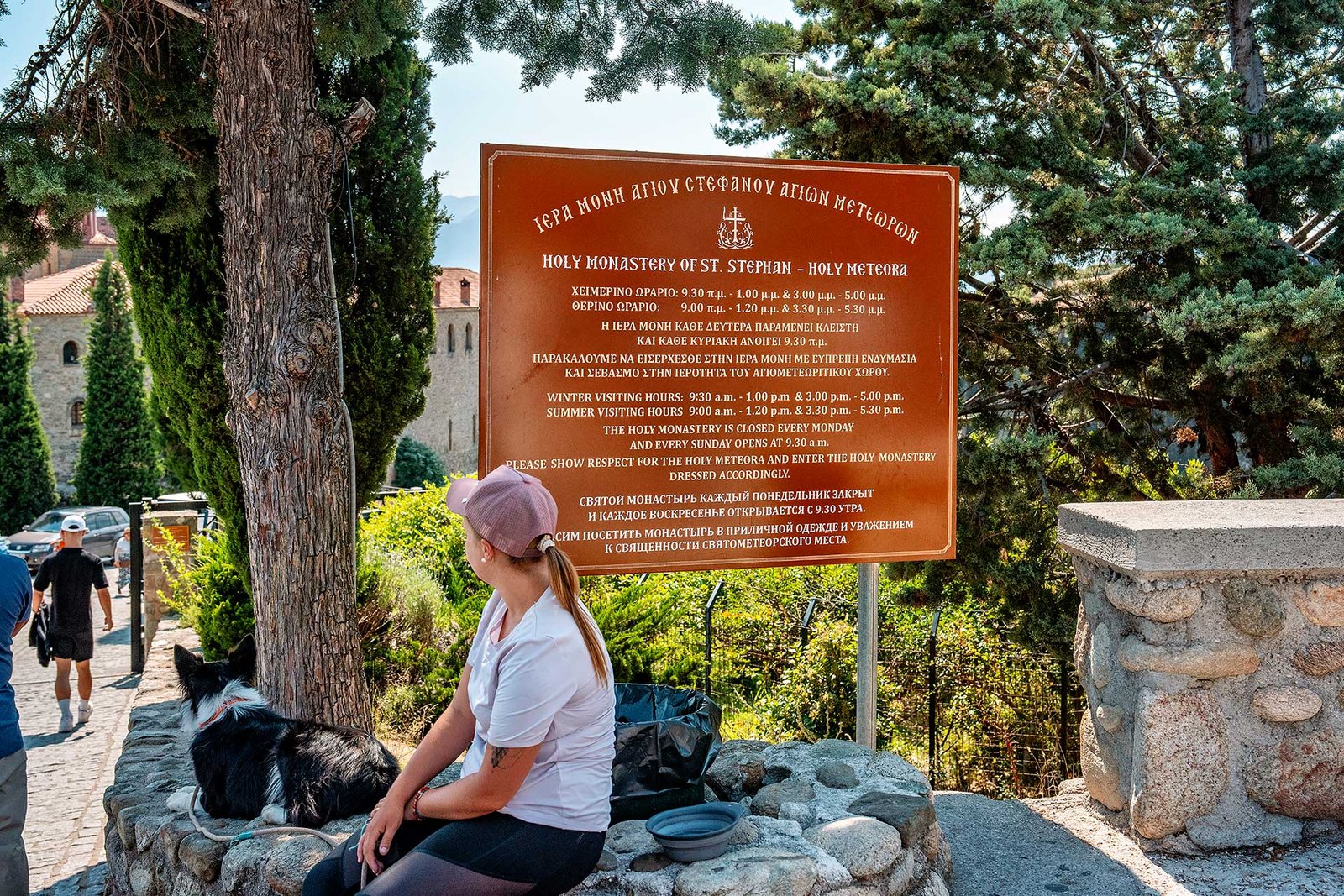
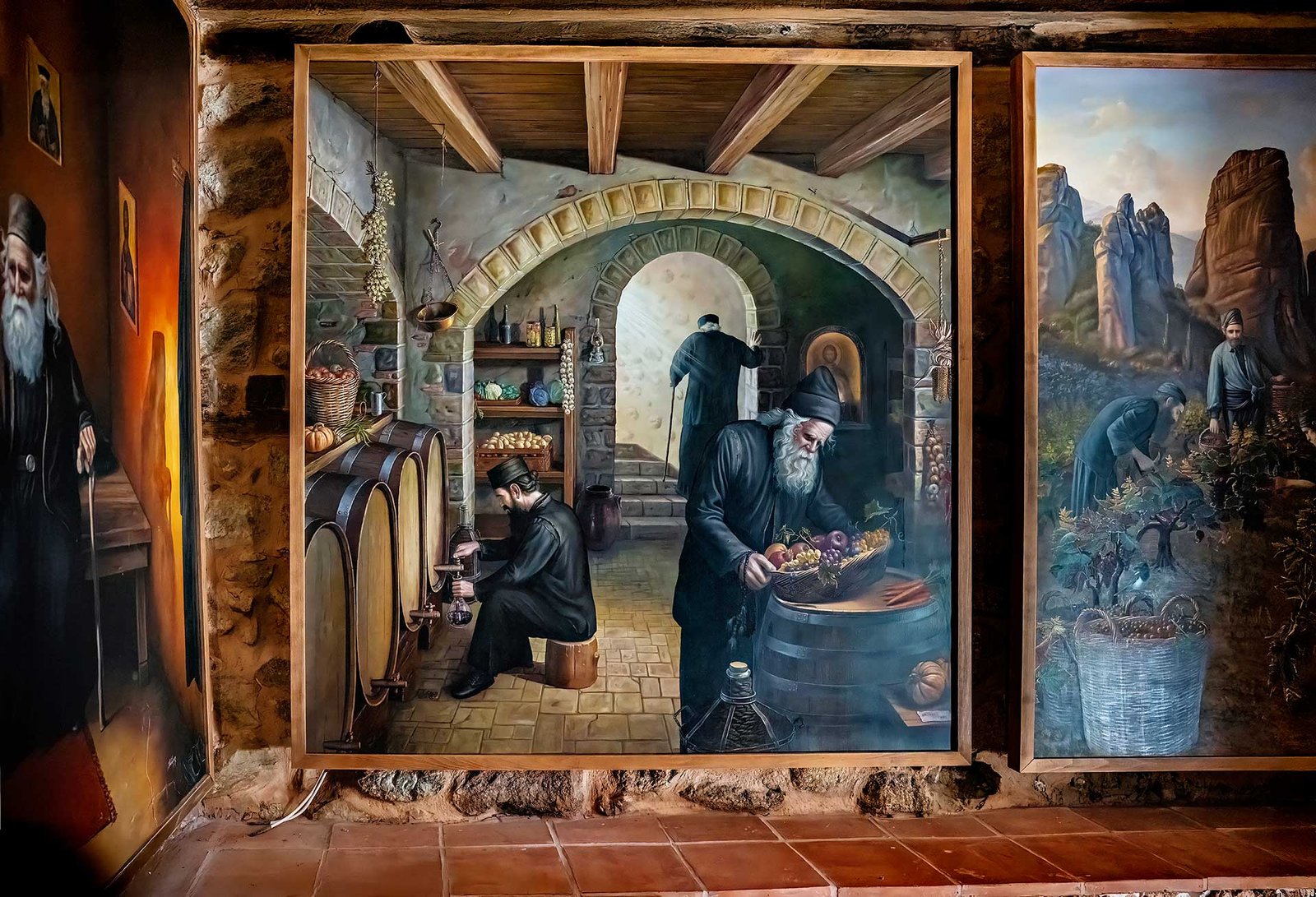
Inside, the space is simple. Not large. Thick stone walls that felt cool against my hand, small windows letting in soft light. Icons were everywhere, old paintings with faded colors that still, somehow, felt alive. Some showed scenes from the monks’ lives, working, tending to things, going through their days simply, the way people do when nobody’s watching.
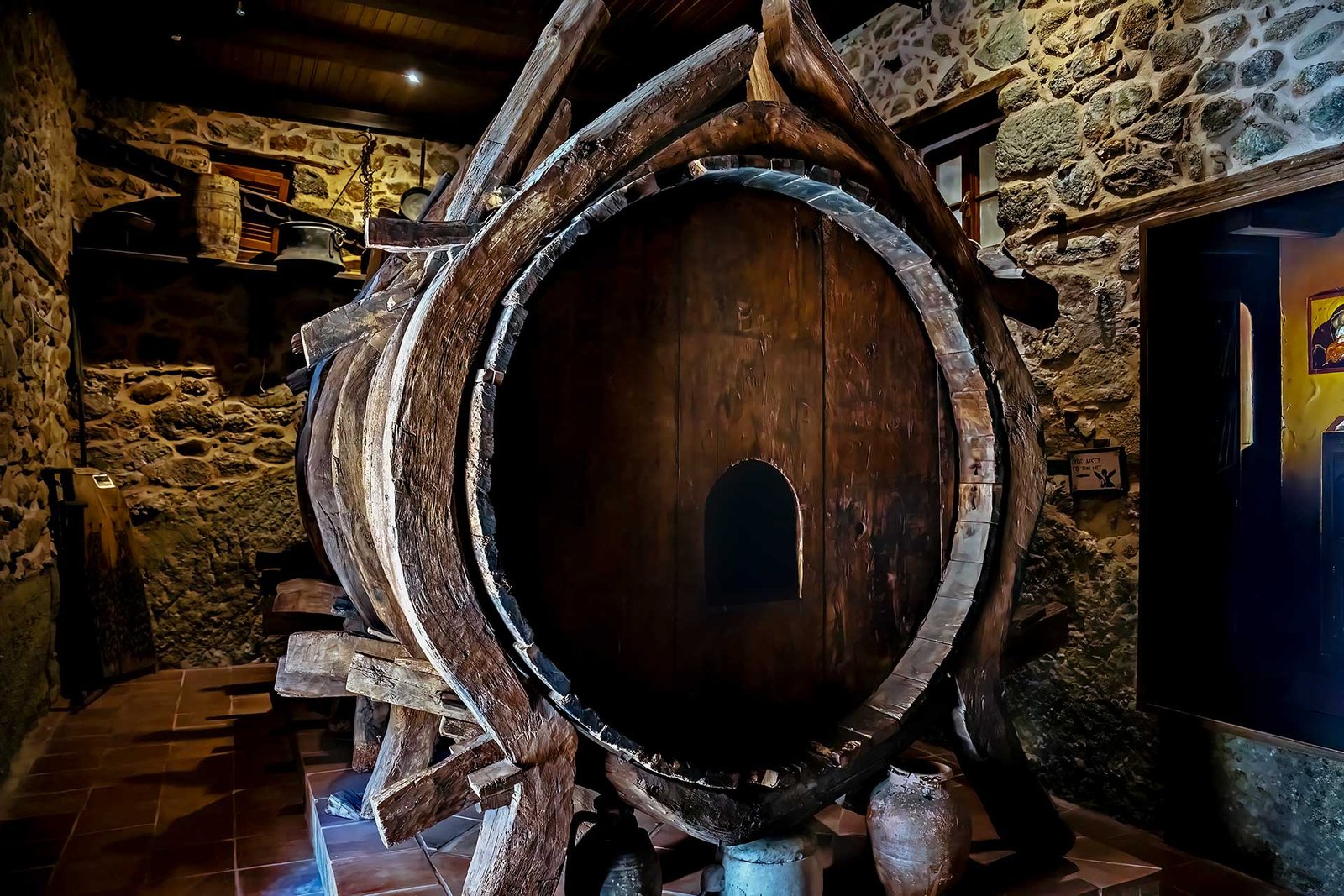
In a few rooms you could see bits of daily life still being kept up. Not much on display, but enough to feel like this place is actually lived in, not just visited. A few icons hung on the walls, their colors dulled but still holding something. Nobody had tried to make them look new. And honestly, that’s where their strength was.
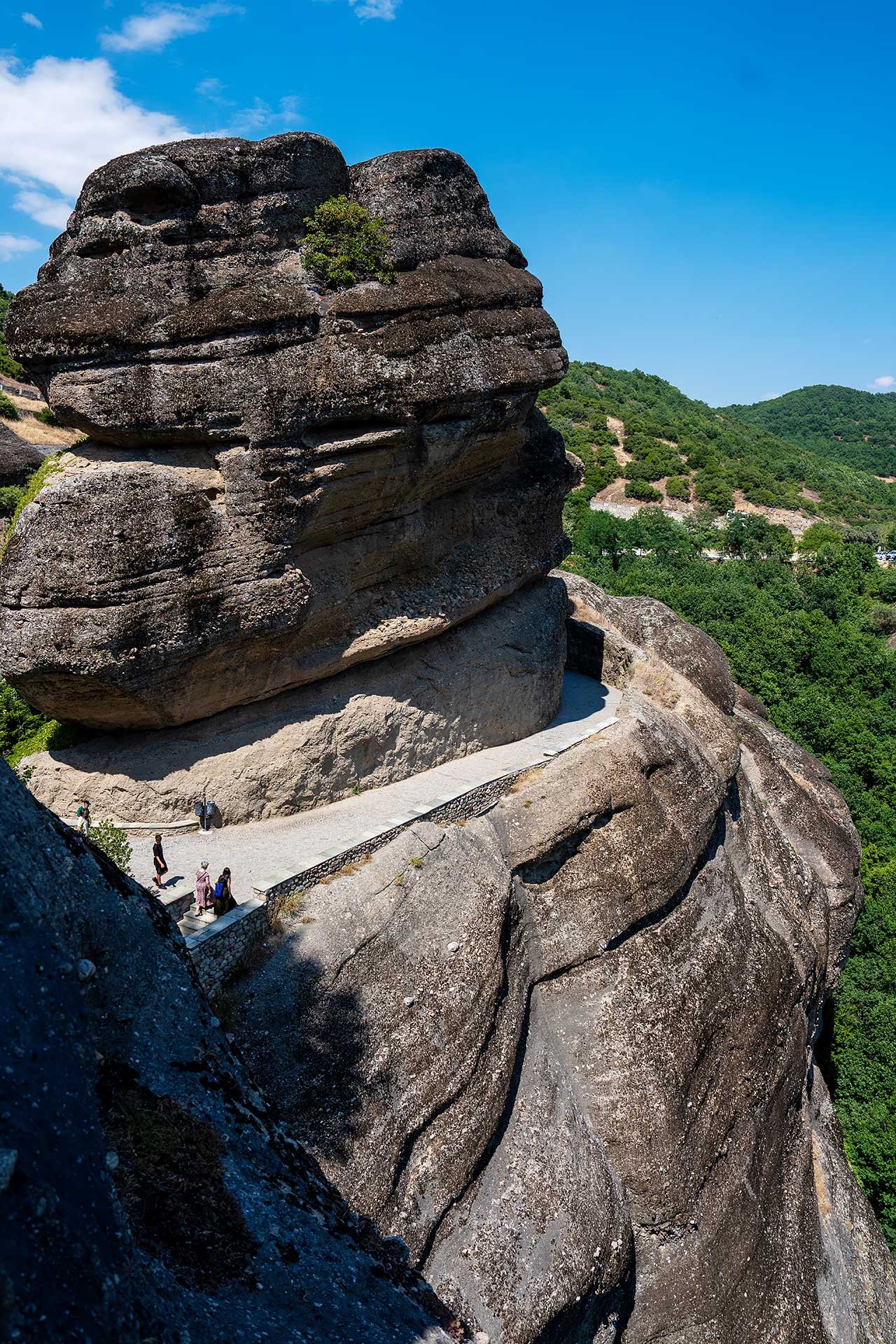
I walked slowly, looking at each one for a while. No long explanations, nothing overdone or dressed up for visitors. Everything just felt like it had been there a long time, and was fine with that.
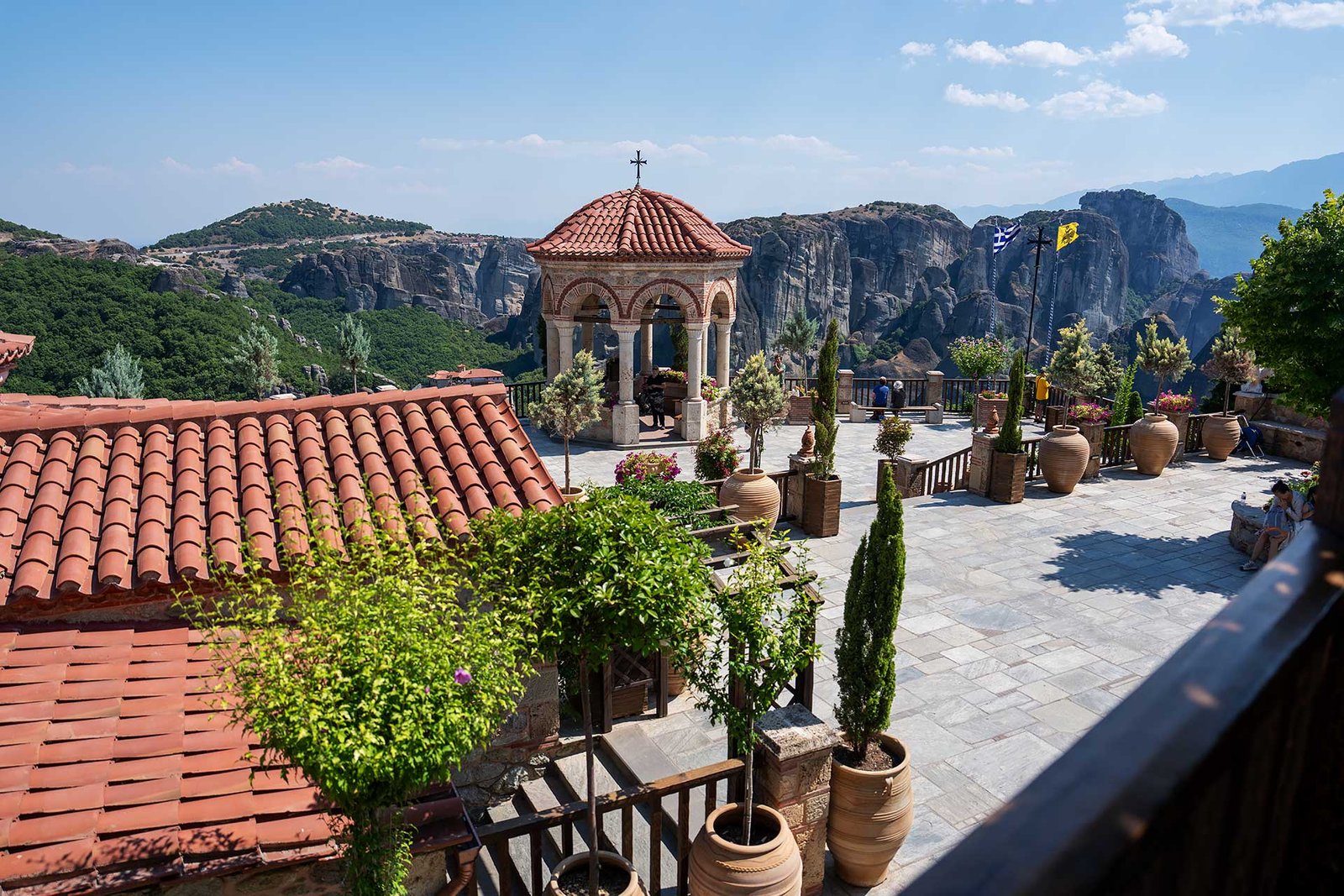
Outside, the view opens up all at once. A valley stretches out far below, and the wind hits differently, sharper, more real somehow. The shift between inside and outside is small, but it lands hard.
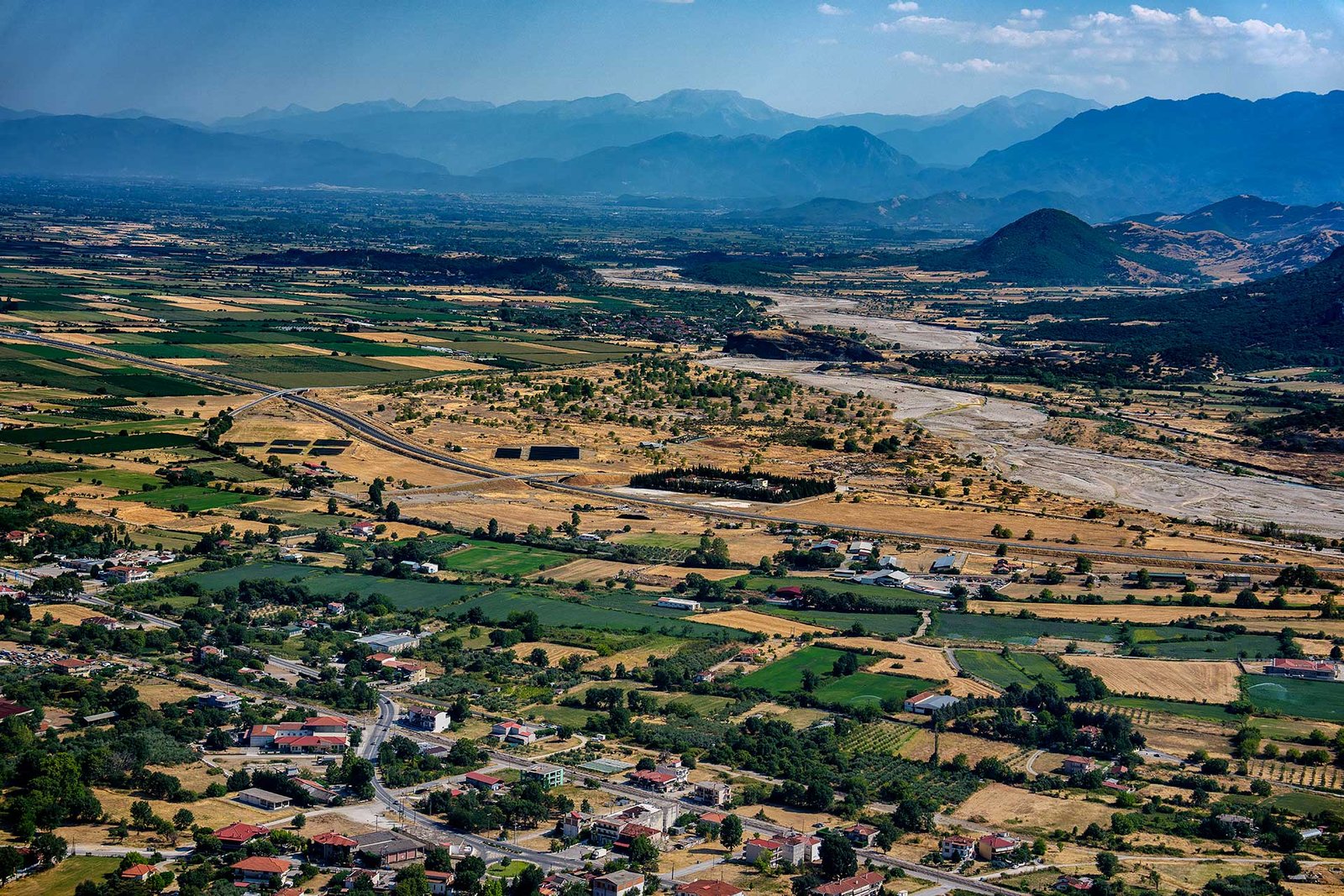
When I stepped back out, the light felt brighter than before. The sky opened wide, the valley sat far below. From up there, the world looked different, not smaller exactly, just simpler. Things that had felt important a few hours earlier seemed to quietly drift further away, like they’d let go of me a little.
Meteora made me realize distance can change how we see things. Not just physical distance, but distance from habit, from routine, from the kind of thinking that sits too close to us to notice clearly. In a place like this, perspective doesn’t come from someone explaining it to you. It comes from where you happen to be standing.
Maybe that’s what makes Meteora stay with me, not just the rocks or the monasteries, but the quiet way it shifted how I saw things, without needing many words to do it.

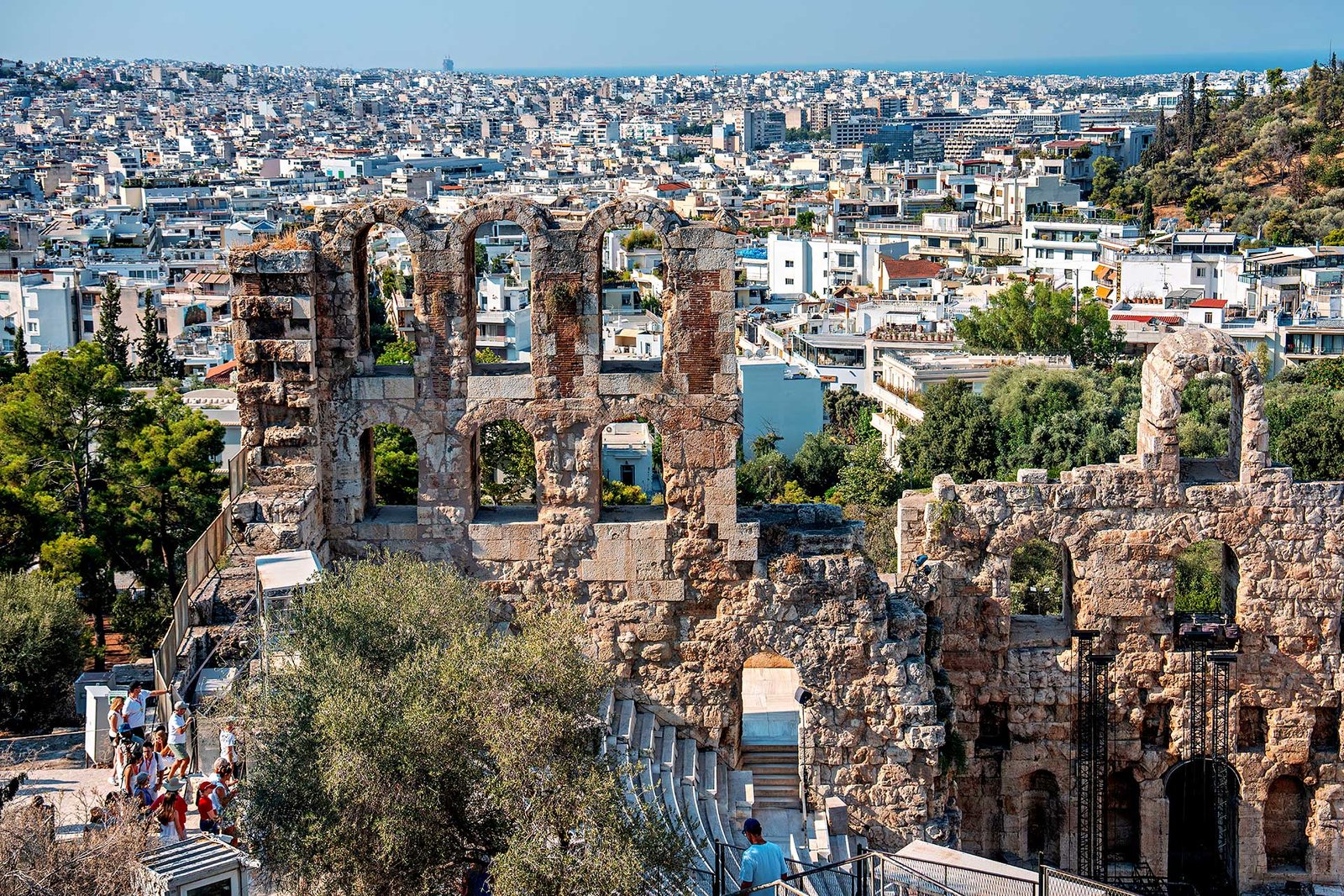
The Theatre of Dionysus: Where We Learn to See Ourselves
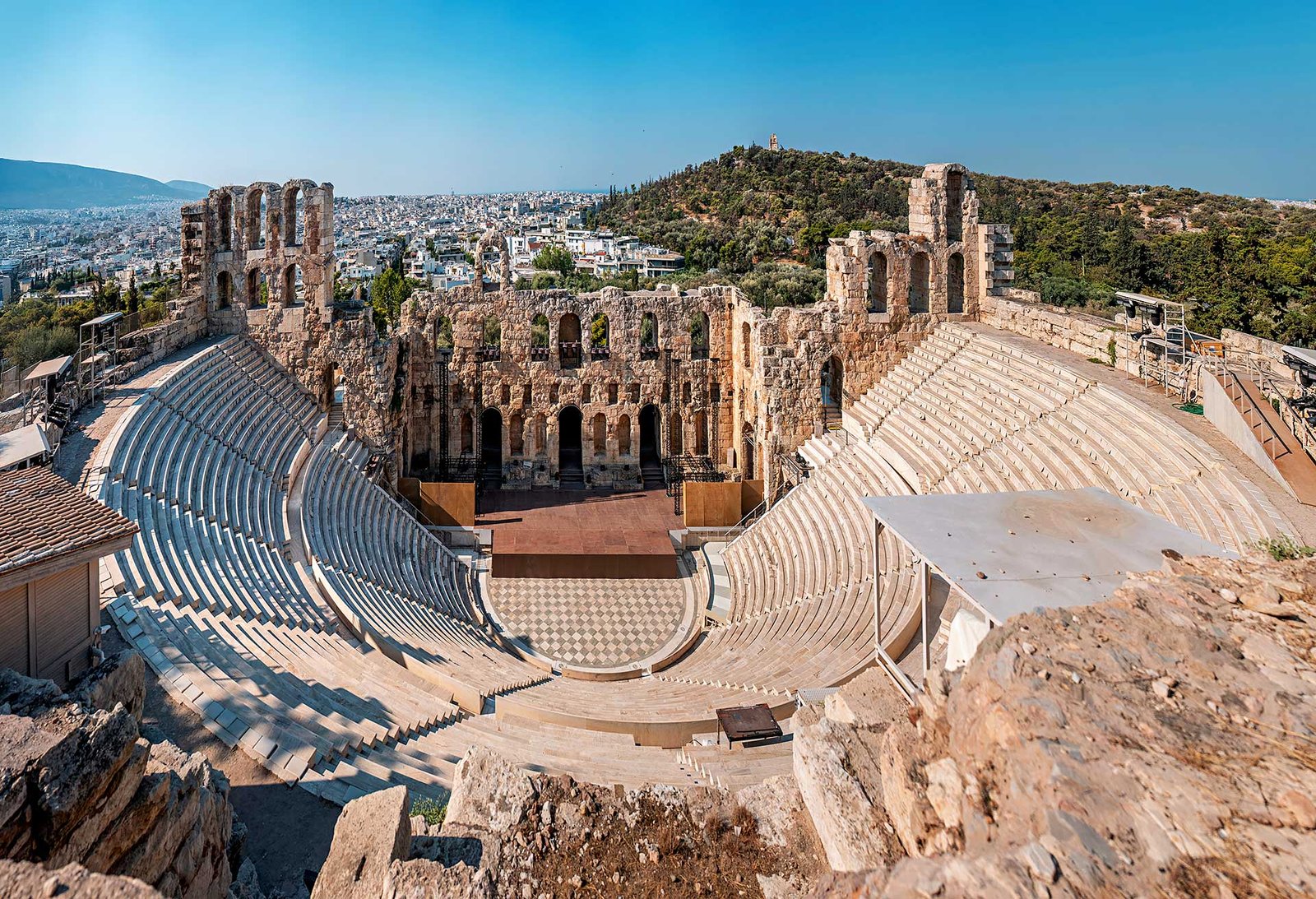
Beneath the Acropolis sits an old theater called the Theatre of Dionysus. It’s not used the way it once was, these days it’s mostly known as a cultural site, though it still hosts the occasional special event. Standing there, it’s hard to picture that this quiet place once held thousands of people at once.
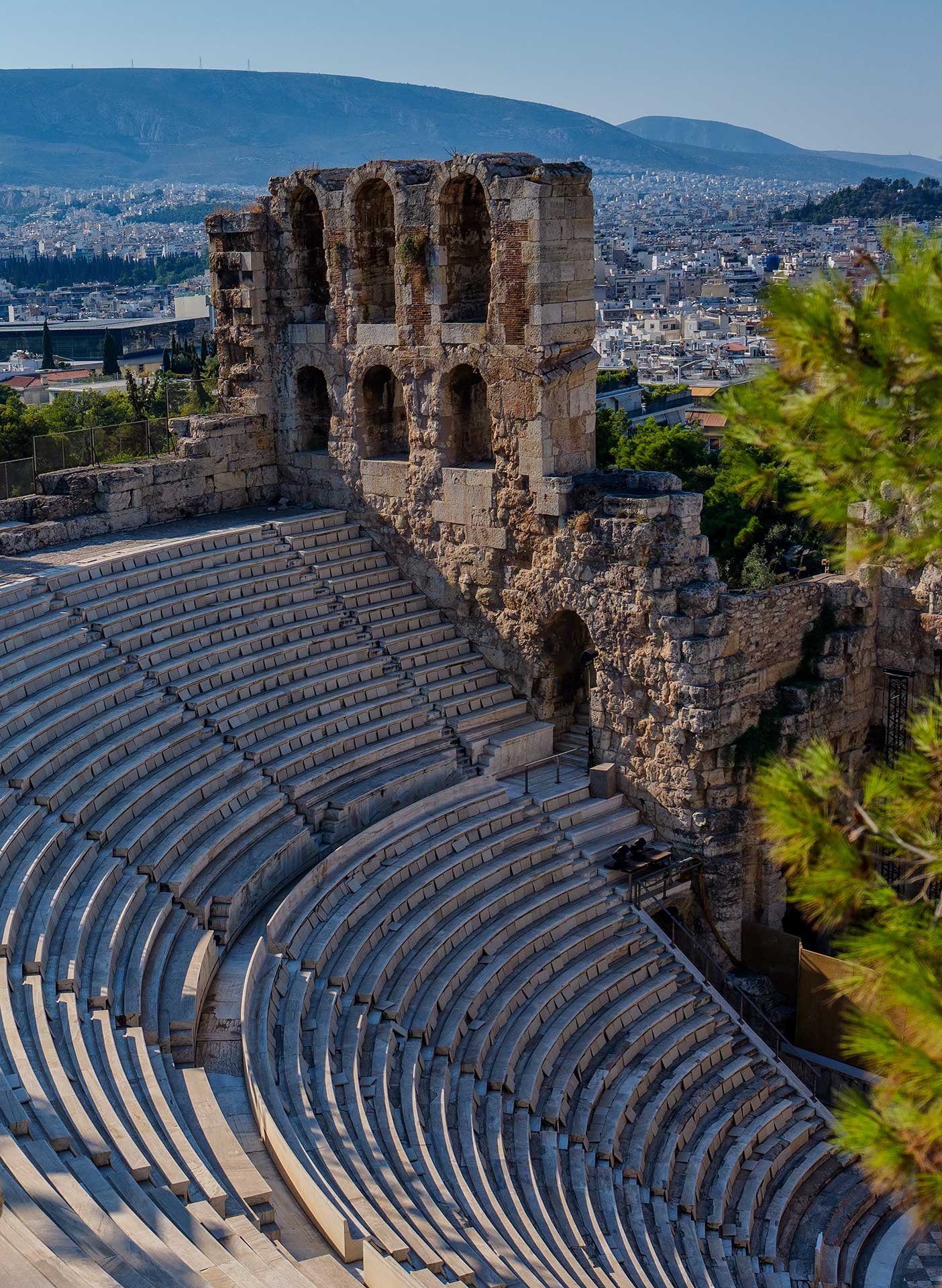
Back in the 5th century BC, Athenians came here to watch tragedies and comedies. These weren’t just entertainment. They were stories about being human, about the choices we make, our mistakes, our responsibilities, how we treat each other, and how we relate to the gods. Names like Sophocles, Aeschylus, and Euripides were staged right here, in front of somewhere between fifteen and seventeen thousand people, all sitting together on the same rocky slope I was now looking at.
The tragedies helped Athenian society think through life together, justice, human failure, pride, moral choices that were rarely simple. The theater became a place to learn through story. People came not just to watch, but to understand something about their own lives. They sat side by side, taking in stories that were often heavy and painful, and maybe it was exactly that weight that made them feel so close, so real.
The comedies did more than make people laugh, though. They taught a way of looking at life honestly but lightly, a gentle reminder that we don’t always need to take ourselves so seriously. There’s a kind of distance that comes with laughter, one that lets people step back and see themselves a little more calmly.
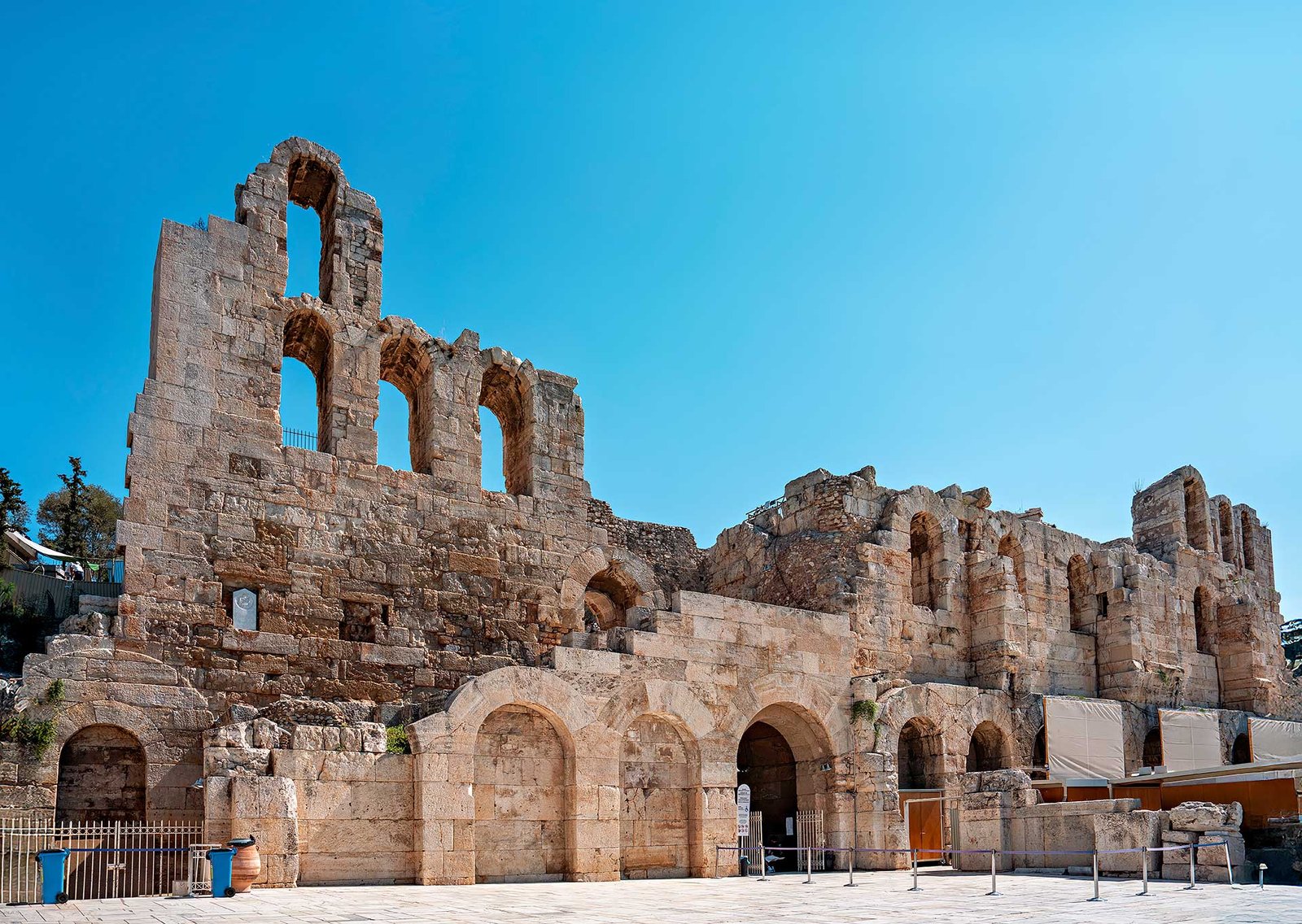
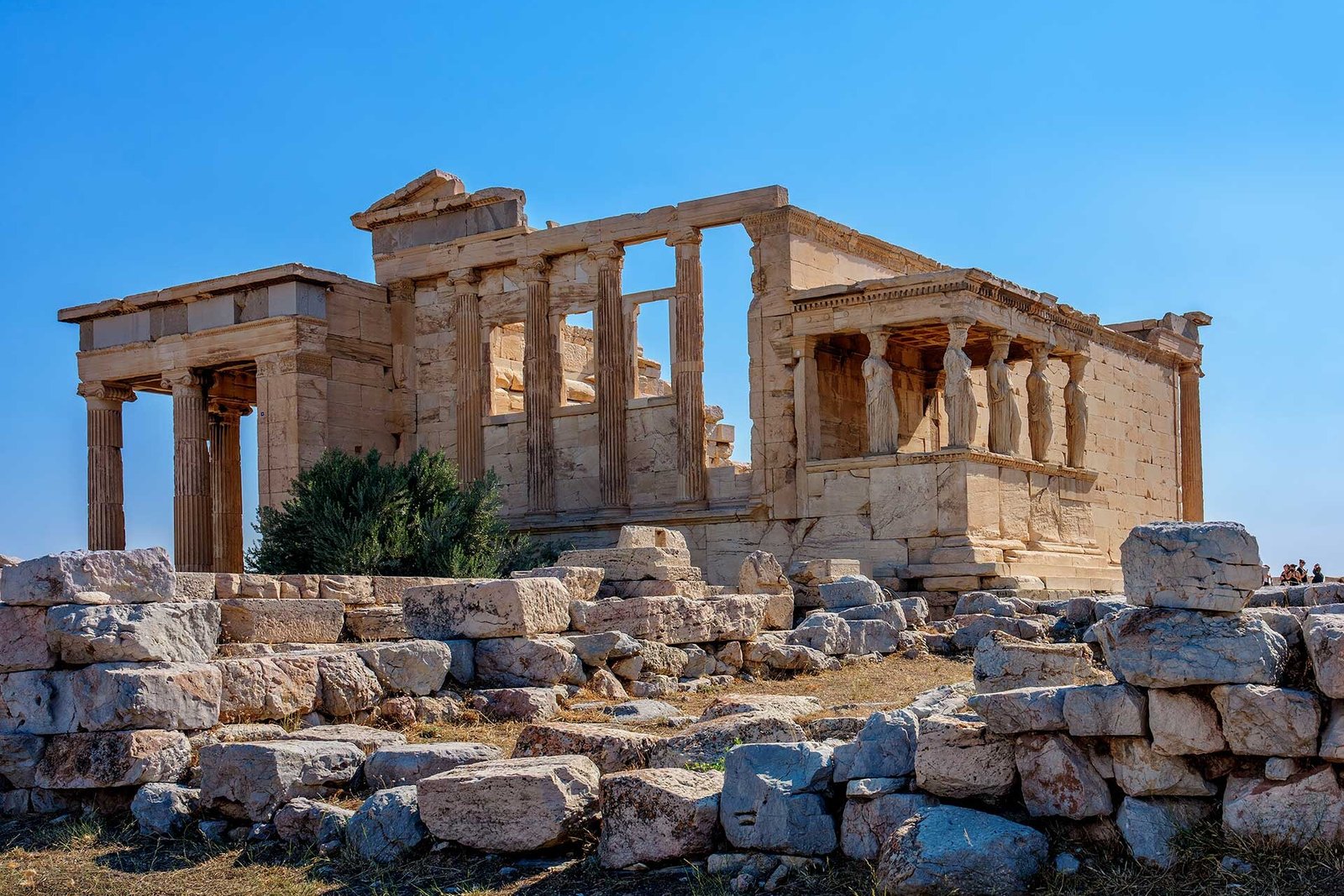
That’s part of why the theater’s location, right below the Acropolis, feels meaningful to me. Up on the hill, temples for the gods. Down below, a theater for people. As if Athens, from the very start, offered two spaces at once, one for the divine, one for making sense of human life.
Standing there, I didn’t feel like I was looking at the remains of some old building. It felt more like a memory still hanging around. I found myself imagining the people who once sat in rows along this same rocky slope, waiting for the story to begin, listening to tales about a life that was never easy to fully understand, but felt worth hearing together anyway.
And maybe that’s why this place stays with me. It’s a reminder that people have always gathered to witness stories, not just for entertainment, but to understand their own lives a little better. Standing there, I realized that traveling to a place like Athens isn’t really about big history. It’s about recognizing that people have long been searching for ways to understand themselves, through story, through gathering, through simply being together.
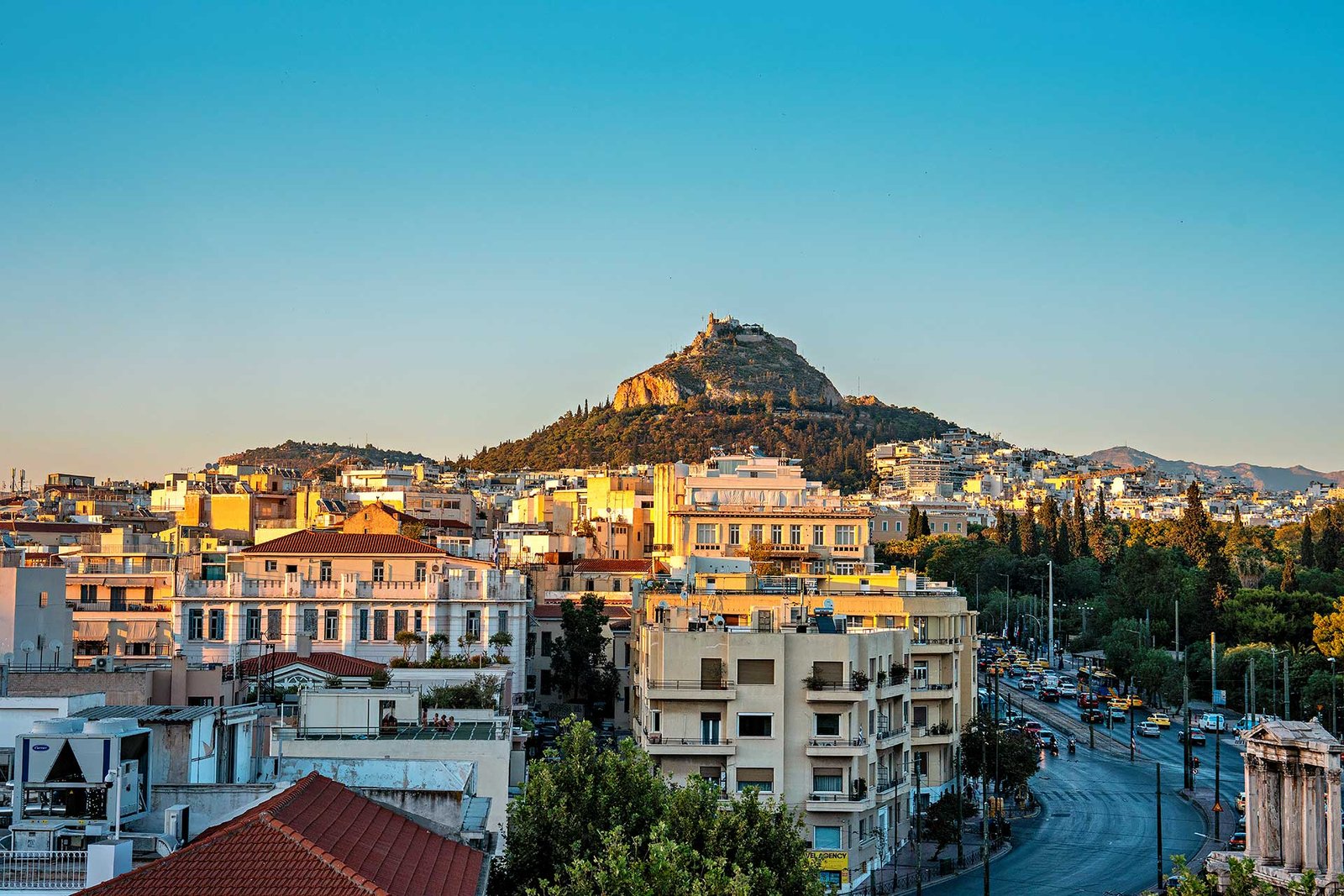
A Village Called Anafiotika
Athens is a city that’s been photographed more times than anyone could count. From a distance, everything’s instantly familiar, the hill, the buildings, all that history everyone already knows by heart. I stood there a long while before I even raised the camera, not because I didn’t know what to shoot, but because it all felt so used to being looked at.
That day I was walking with a local photographer I’d happened to meet at a café. I asked him if there were still corners of Athens that hadn’t already been captured a thousand times over. He didn’t say much, just motioned for me to walk a bit further from the crowds.
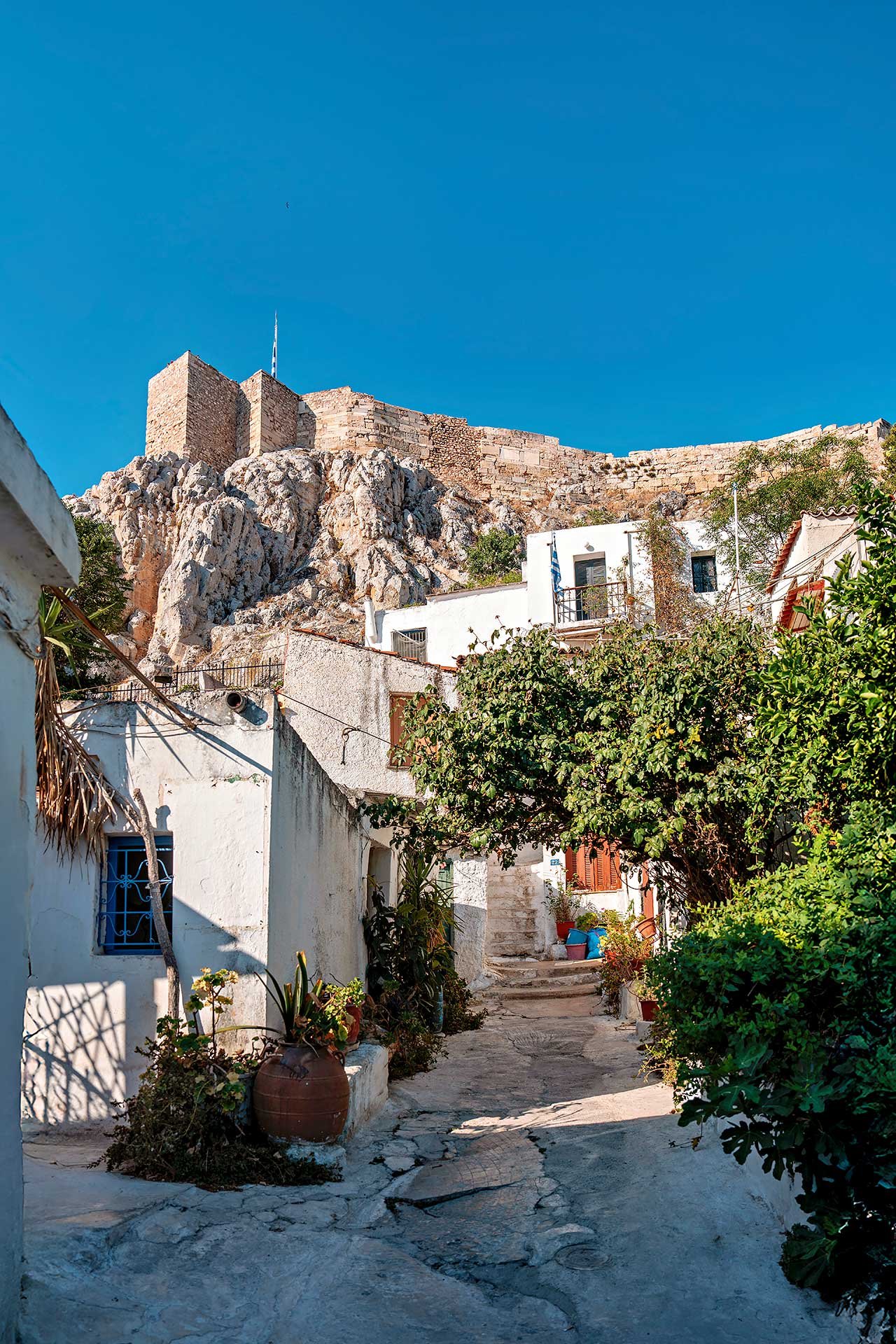
On the northern slope of the Acropolis, I found a small area called Anafiotika. Simple white houses lined narrow streets, and the whole place felt like a little village tucked away inside the city, something close and familiar among the people who lived there.
The story goes that in the 19th century, after Greece won independence, Athens started rebuilding itself as the new capital. Workers came from all over, including a small island called Anafi. They were stonemasons, there to build the city, but they ended up building homes for themselves too. No grand plan, no formal architecture, just what they knew from home: white houses, narrow streets, buildings that followed the shape of the land. Slowly, a small village took form right in the middle of Athens. That’s what’s now called Anafiotika.
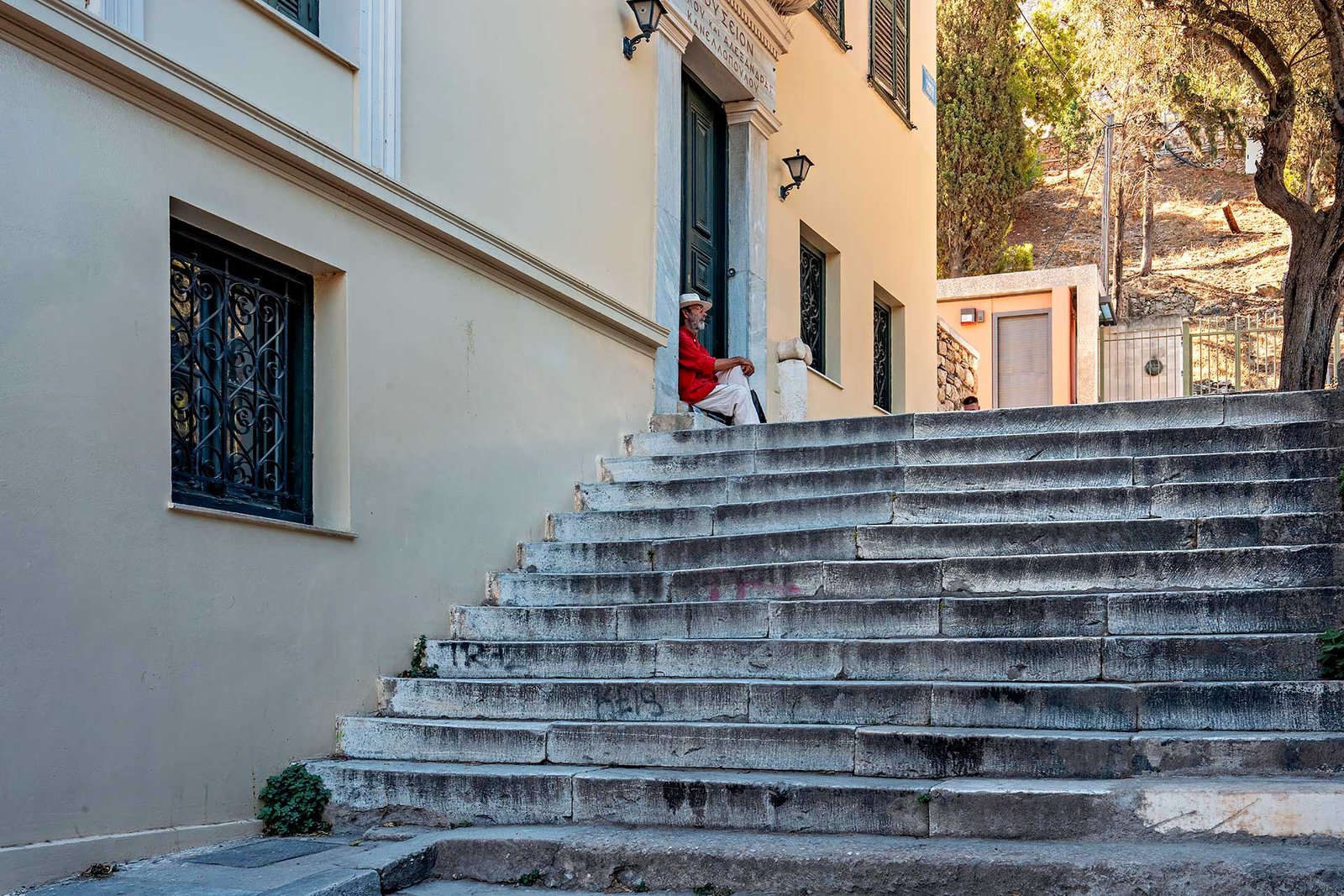
What struck me was how little this place felt like part of a big city. It felt more like a leftover memory, of home, of where people came from, of a simpler way of living. Tucked in the shadow of the grand Acropolis, and maybe because of that, it’s easy to walk right past. I’m always drawn to the things that are easy to miss anyway, a line of light on a wall, a shadow falling down some steps, a small space that already feels complete without needing to be filled with anything.
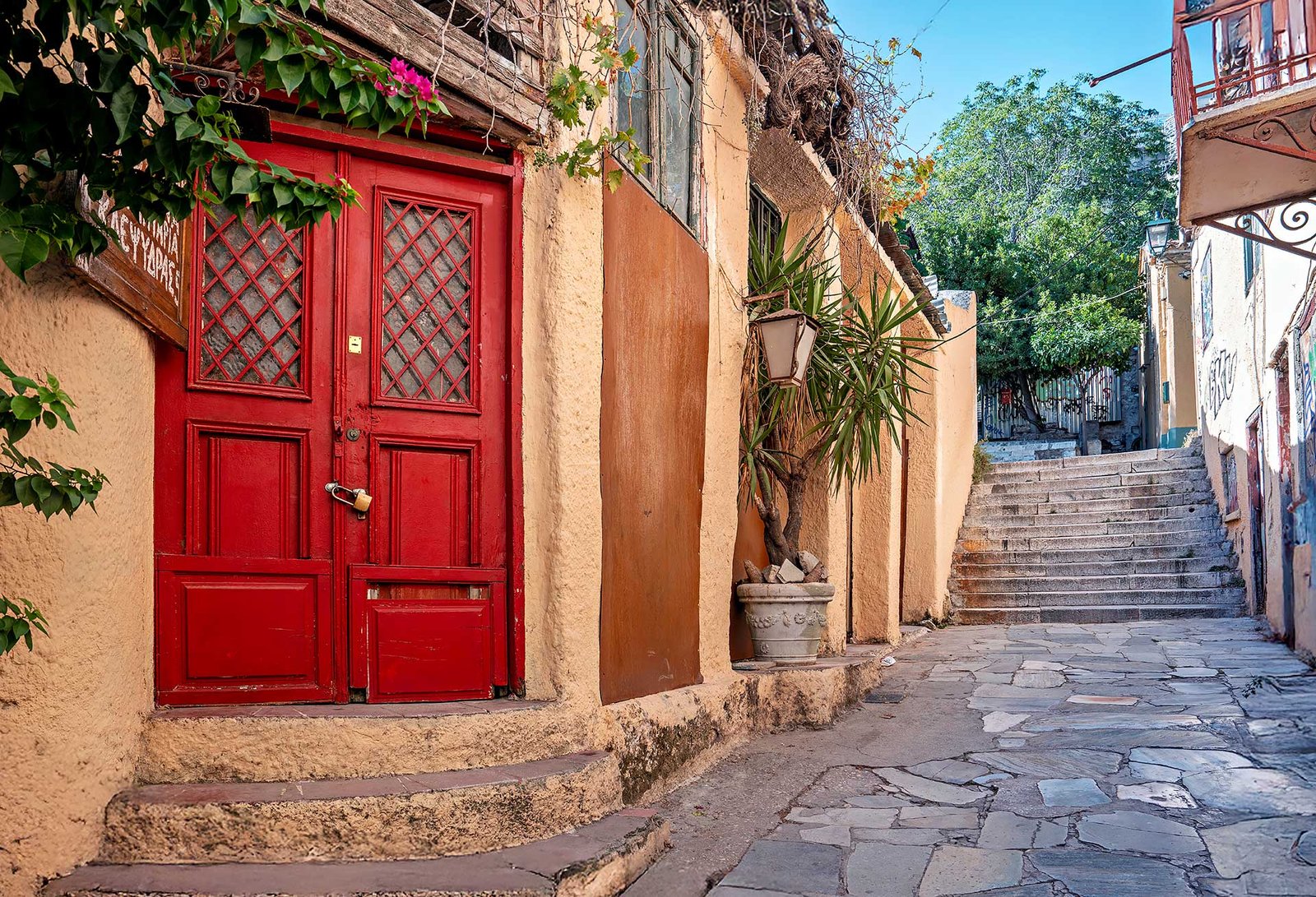
I stopped longer than I usually would, not waiting for something to happen, just giving myself time to really see. Waited until the footsteps around me faded out. Waited for the light to soften. Waited until the whole place felt still. There were moments when nothing was really happening, and that was exactly when I felt most present.
I stopped rushing for the shot. It felt like the photograph didn’t need chasing at all. It would come on its own, once everything had settled into its own time.
And maybe, in a city that’s already been seen this many times, what actually gets missed isn’t some hidden corner. It’s the chance to stop for a moment and really look.
A City That Holds Time
"Some cities do not merely hold history.They hold time itself.”
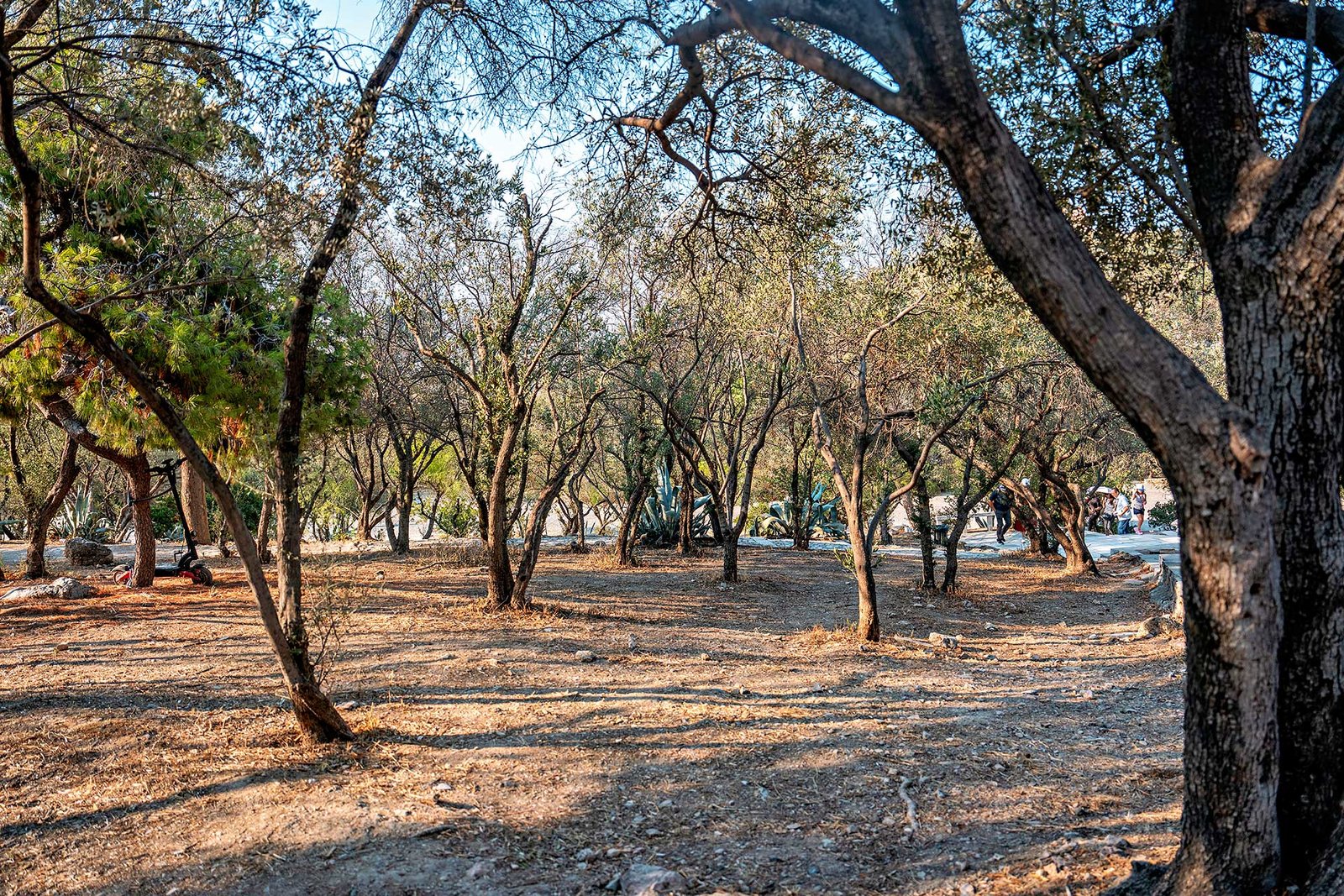
Even the city’s name comes from a very old story. The ancient Greeks told of two gods who once competed to become the city’s protector, Poseidon and Athena. Poseidon struck the ground with his trident and brought forth water. Athena offered something simpler: an olive tree. The tree gave food, oil, wood, and life. The people chose Athena’s gift. Walking among olive trees today, that legend does not feel so distant, as if the old story still breathes quietly among leaves stirred by the wind.
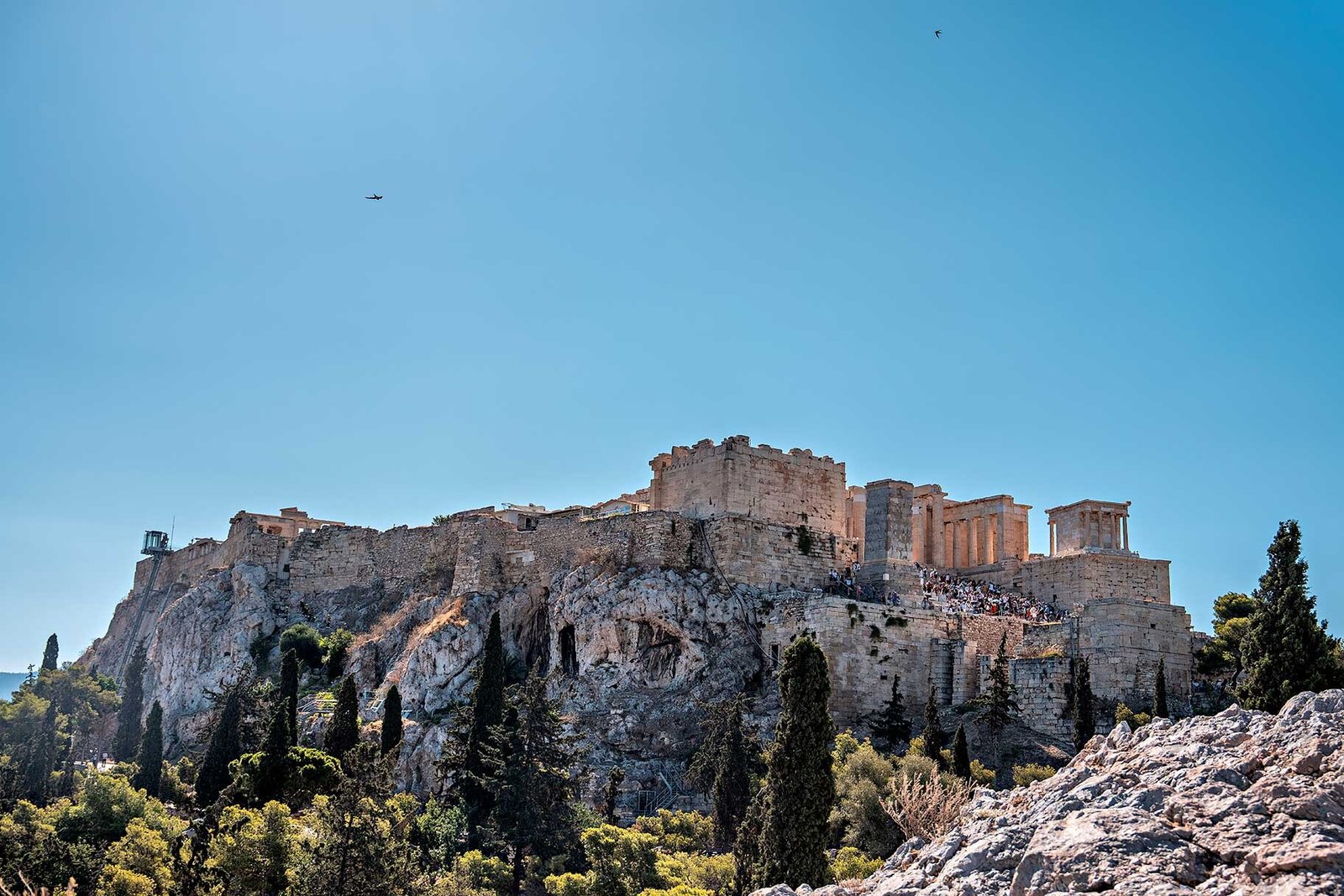
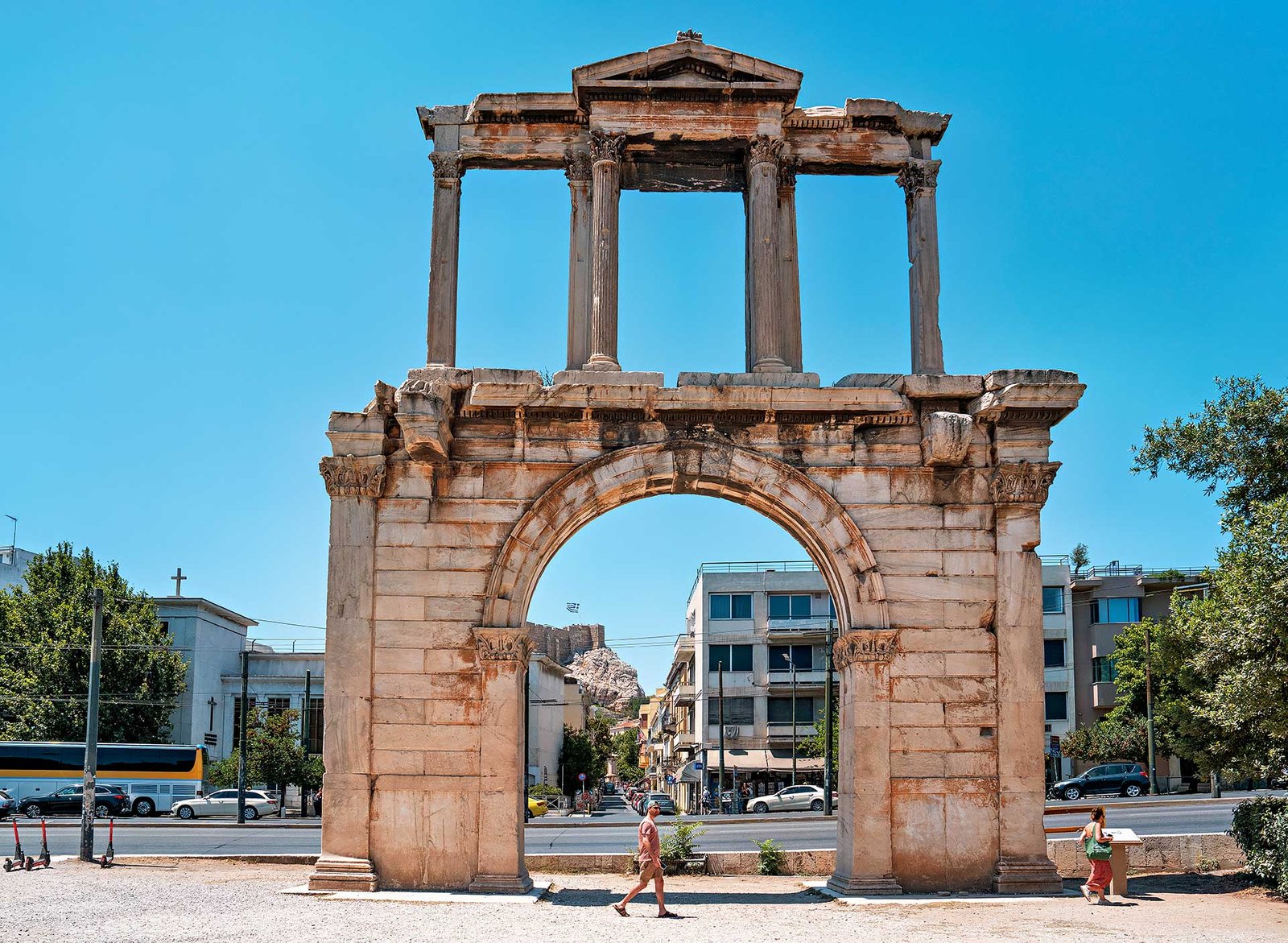
In Athens, the line between eras often feels thin. Gates, walls, and ruins stand within the modern city without feeling out of place. They have not been moved or hidden away. They remain exactly where they are, part of the city’s life today.
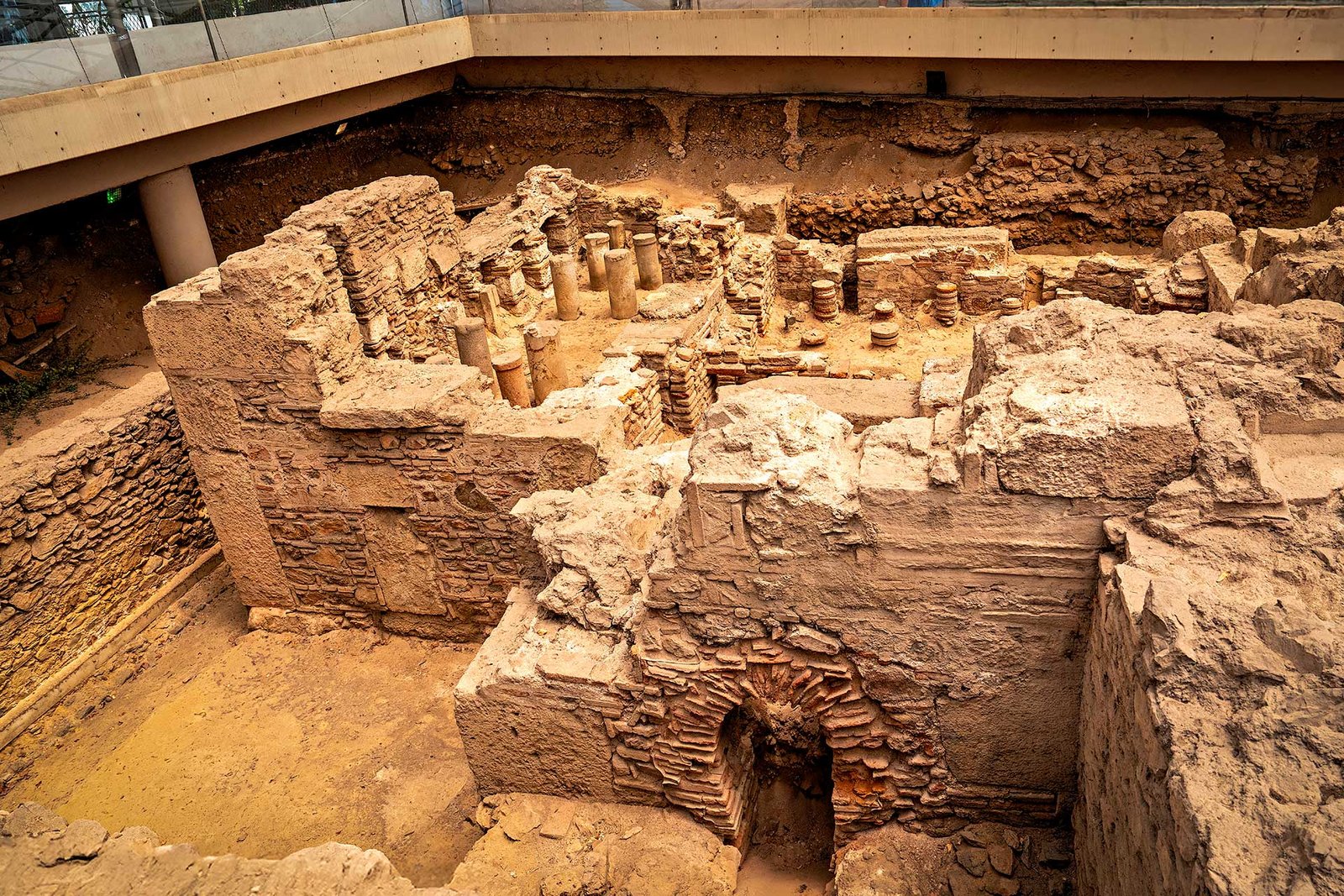
At several metro stations, ruins uncovered during construction have been left visible behind glass walls. People walk past them every day, heading to work or heading home, while beneath them lie traces of life that unfolded thousands of years before. Seeing that made me stop for a moment.
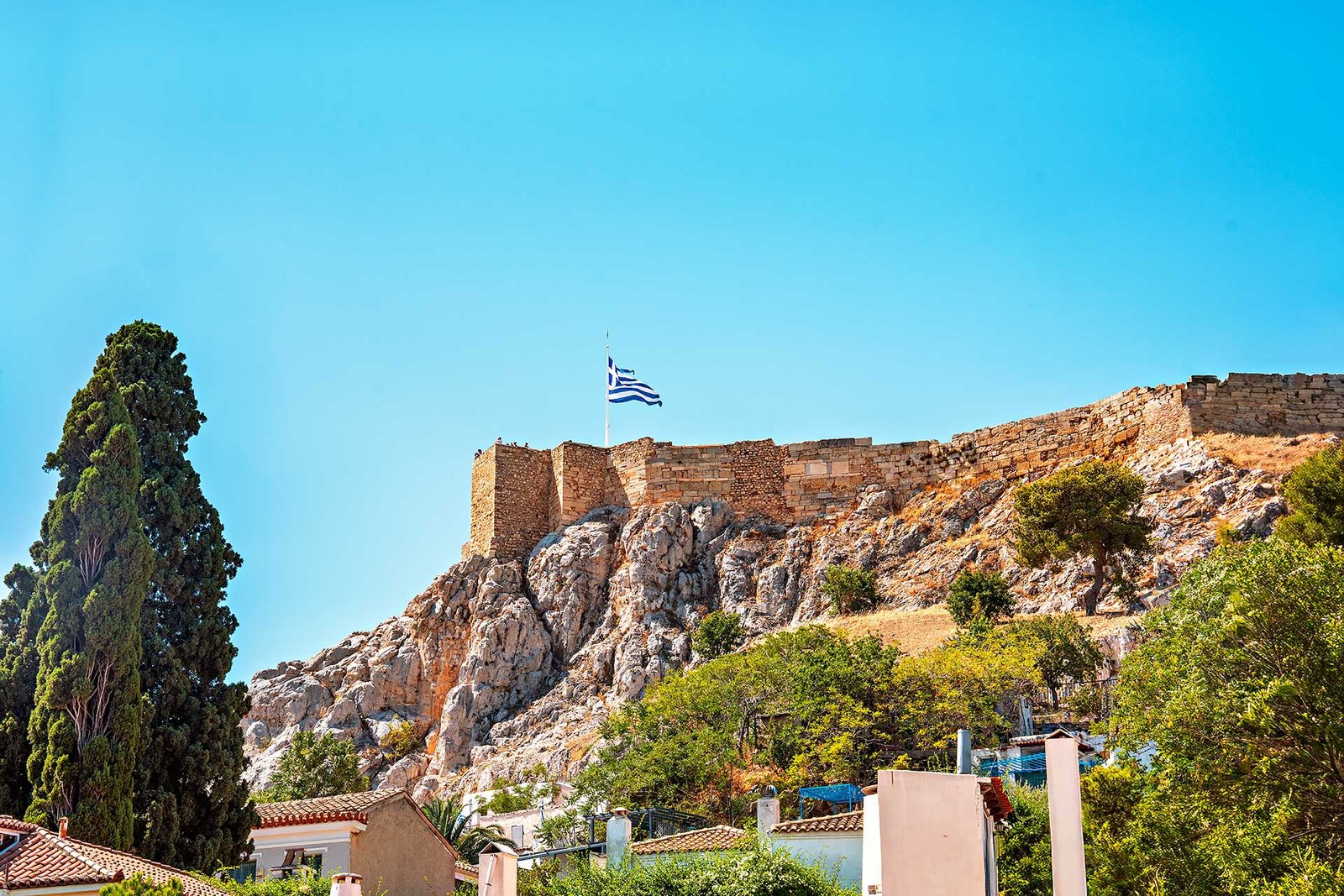
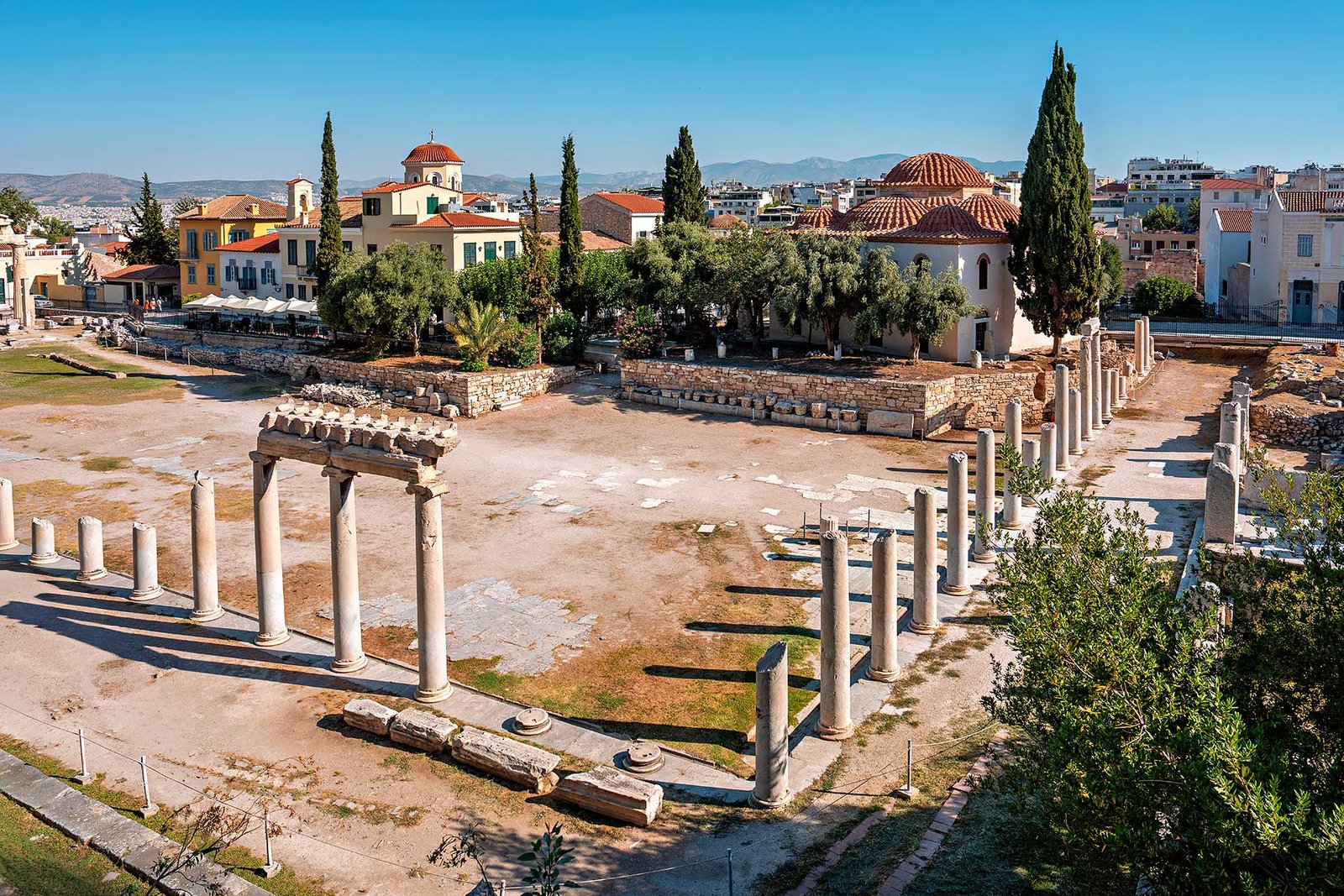
Time in Athens does not feel like a straight line. It feels like layers stacked upon each other, era after era, life after life. And perhaps that is exactly why Athens feels so alive. The past has not disappeared. It remains part of the present. And walking through this city, I felt as though I were walking among time that is still breathing.
Athens Taught Me to Pause Before Judging
Athens is often called a city of history. But walking through it, I felt something different. The city feels like a long, ongoing conversation. Among the ancient buildings still standing, I imagined the people who once gathered here, arriving with different thoughts, different beliefs, and ways of seeing the world that did not always align. Not every conversation reached agreement. But the conversation continued anyway.
Standing at the Theatre of Dionysus, I paused to look at the rows of stone seats facing the open stage. The place was silent when I arrived, but it was easy to imagine how thousands once sat there. They came to watch the plays of ancient Greece, works by writers like Sophocles, Euripides, and Aeschylus. Those stories spoke about being human: about choice, error, hope, and fates we cannot fully understand.
Some say human life itself is not so different from a drama. Each of us arrives with a role to play, moves through events we did not always plan, and slowly tries to make sense of it all. Perhaps that is why Greek drama still feels close to life today. It was never only about the characters on stage, but about human experience repeating itself across ages.
Looking at those stone seats facing the open stage, I imagined how people once sat together there, watching stories about people much like themselves. They may not have gone home with the same answers. But they went home with a slightly broader understanding of life.
Athens Is Not a City to Be Understood in a Hurry
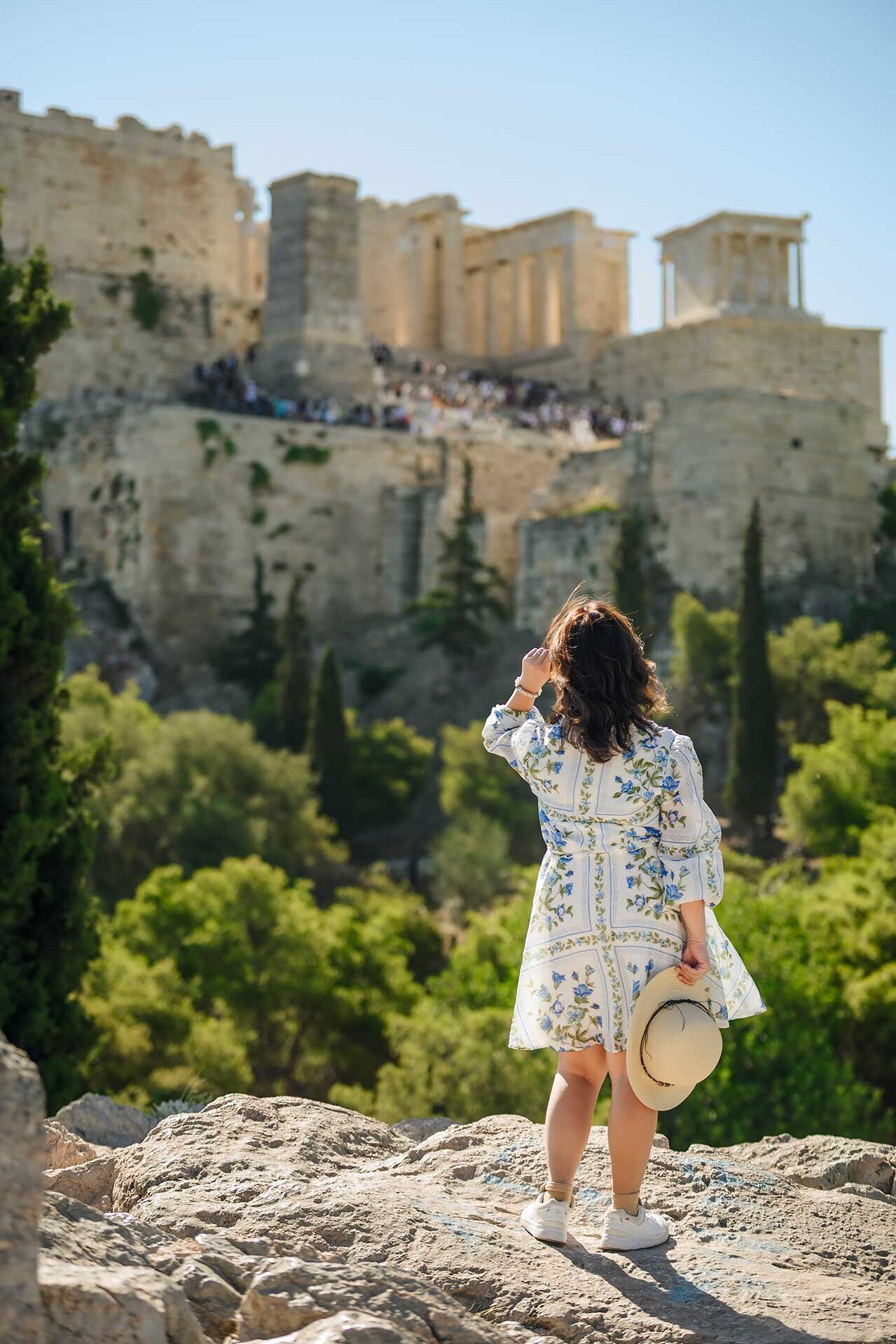
Athens is not a city that feels comfortable seen in a rush. There is something in its air and its stones that makes your steps slow down on their own, as if the city were not asking you to understand everything right away.
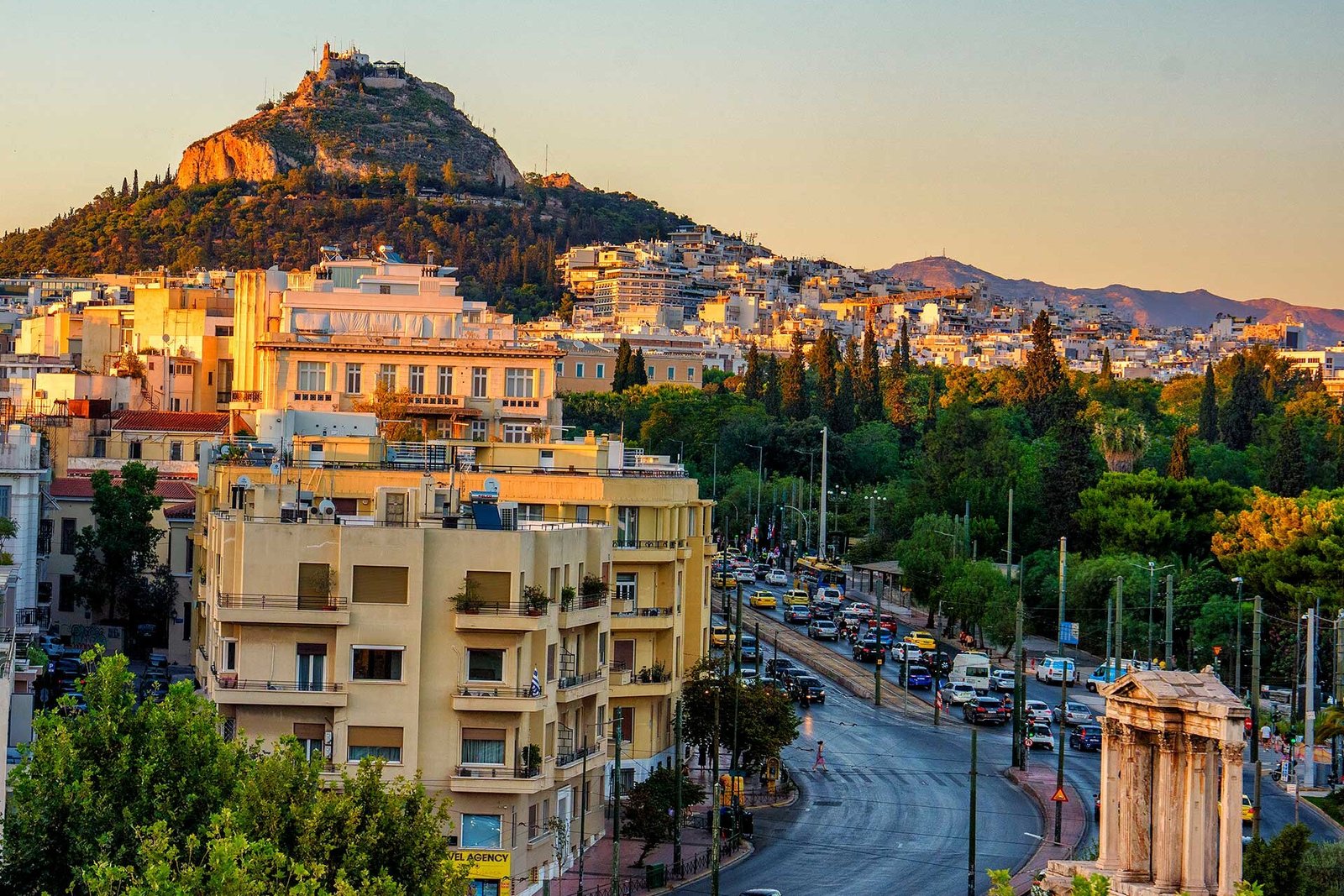
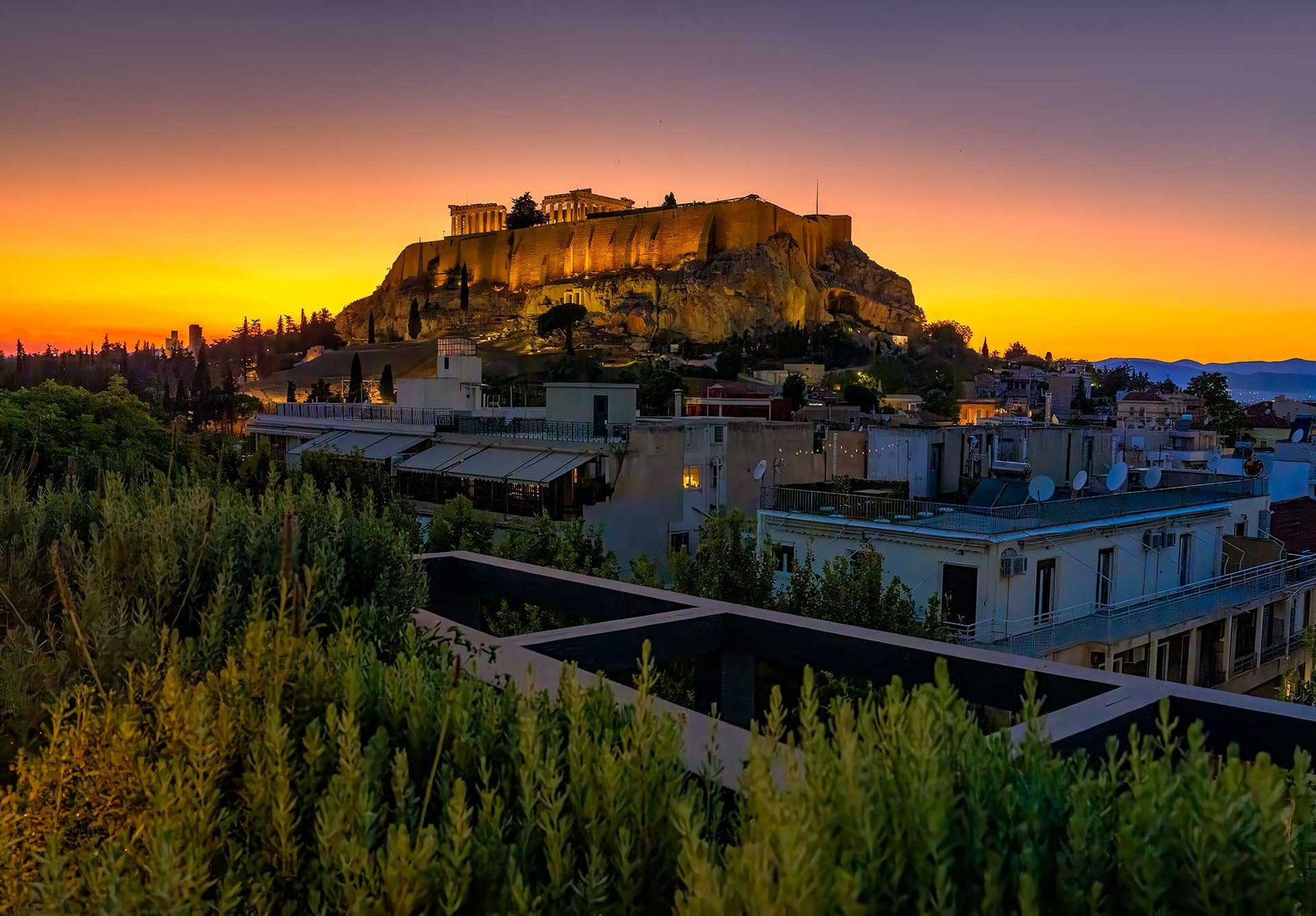
One evening I stopped at a small rooftop café called Cafe Zen, not far from the city center. From there I could see the Acropolis of Athens standing in the distance, atop its tall rocky hill. The structure looked ancient, yet also remarkably calm. From afar it did not feel like a ruin. It looked, instead, like something that had simply chosen to keep standing, patient, while the city changed around it.
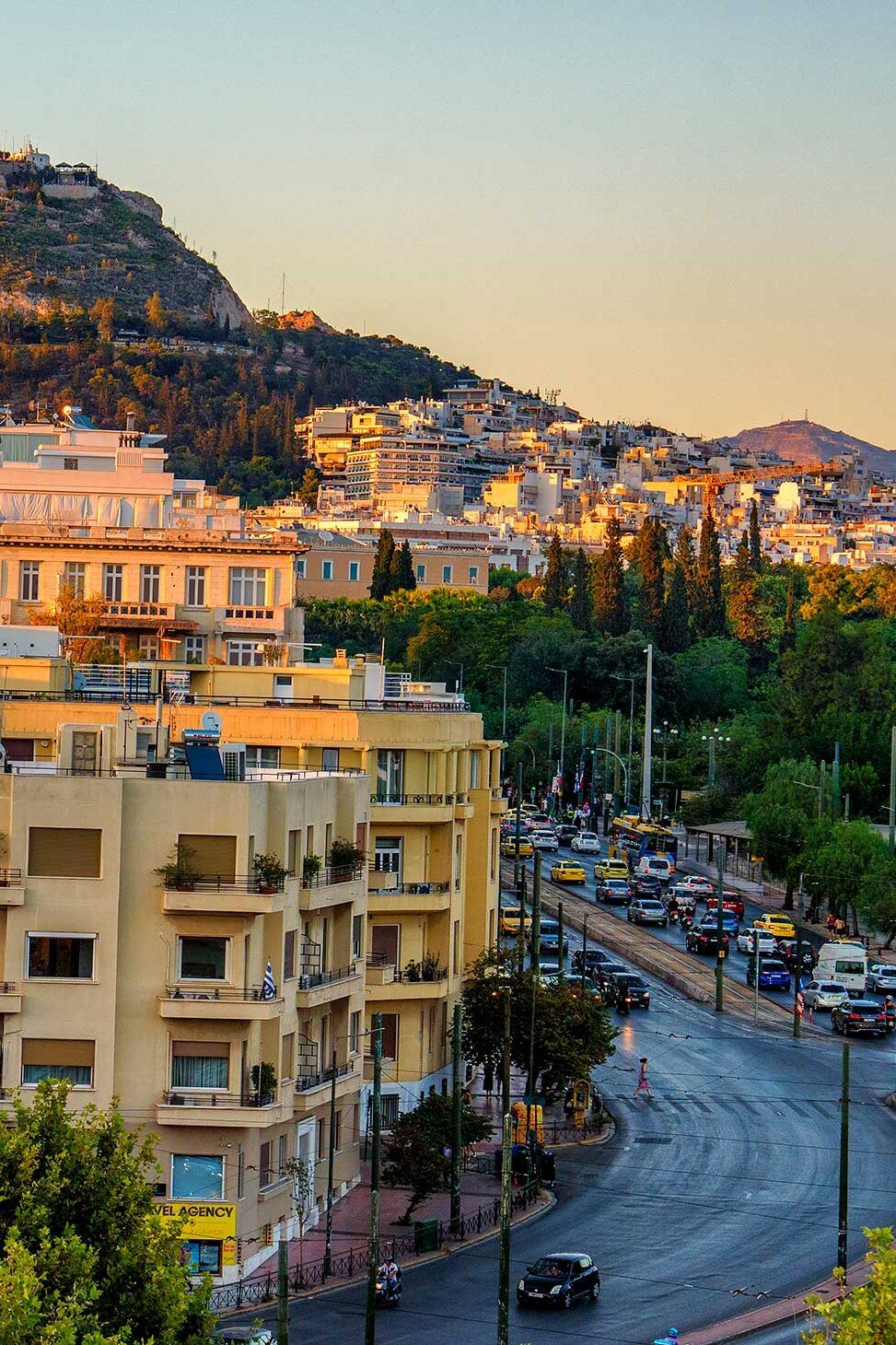
Below the hill, life carried on as usual. People walked along the narrow streets, lights began to switch on, and the murmur of conversation drifted up from the restaurants below. Above, the old structure remained silent.
It is hard to look at the Acropolis without remembering that this city was once home to thinkers like Socrates, Plato, and Aristotle. They once walked these same streets, spoke with people in public spaces, and asked questions about the most fundamental matters of human life.
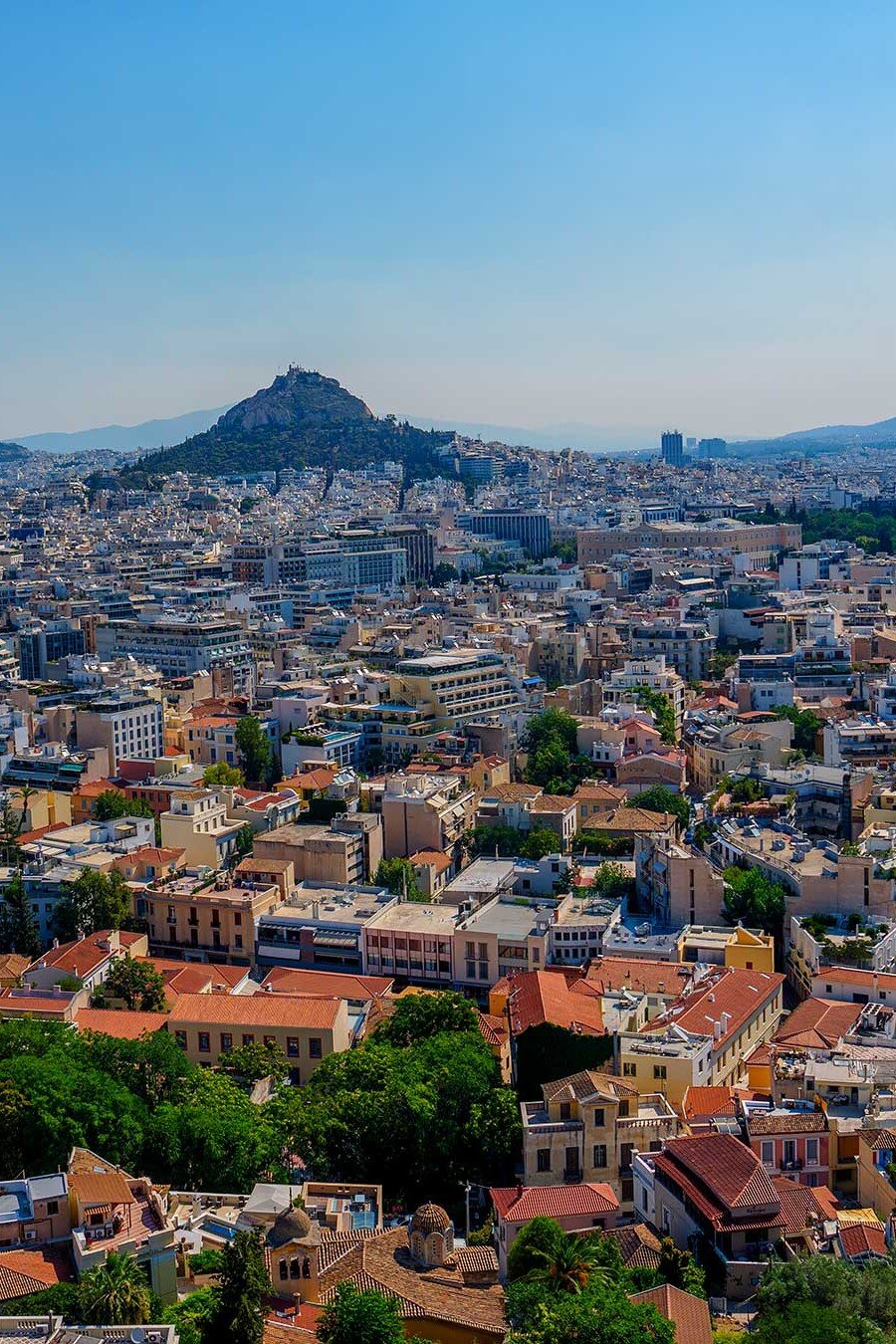
I did not come to Athens to study philosophy. But sitting in that café, watching the Acropolis from a distance, I felt something shift. It was as if this city had long been a place where people learned to speak, to listen, and to question what they believed.
As the sun began to set, the sky slowly changed color. The city grew quieter. Lights switched on, one after another, and the Acropolis remained exactly where it was.