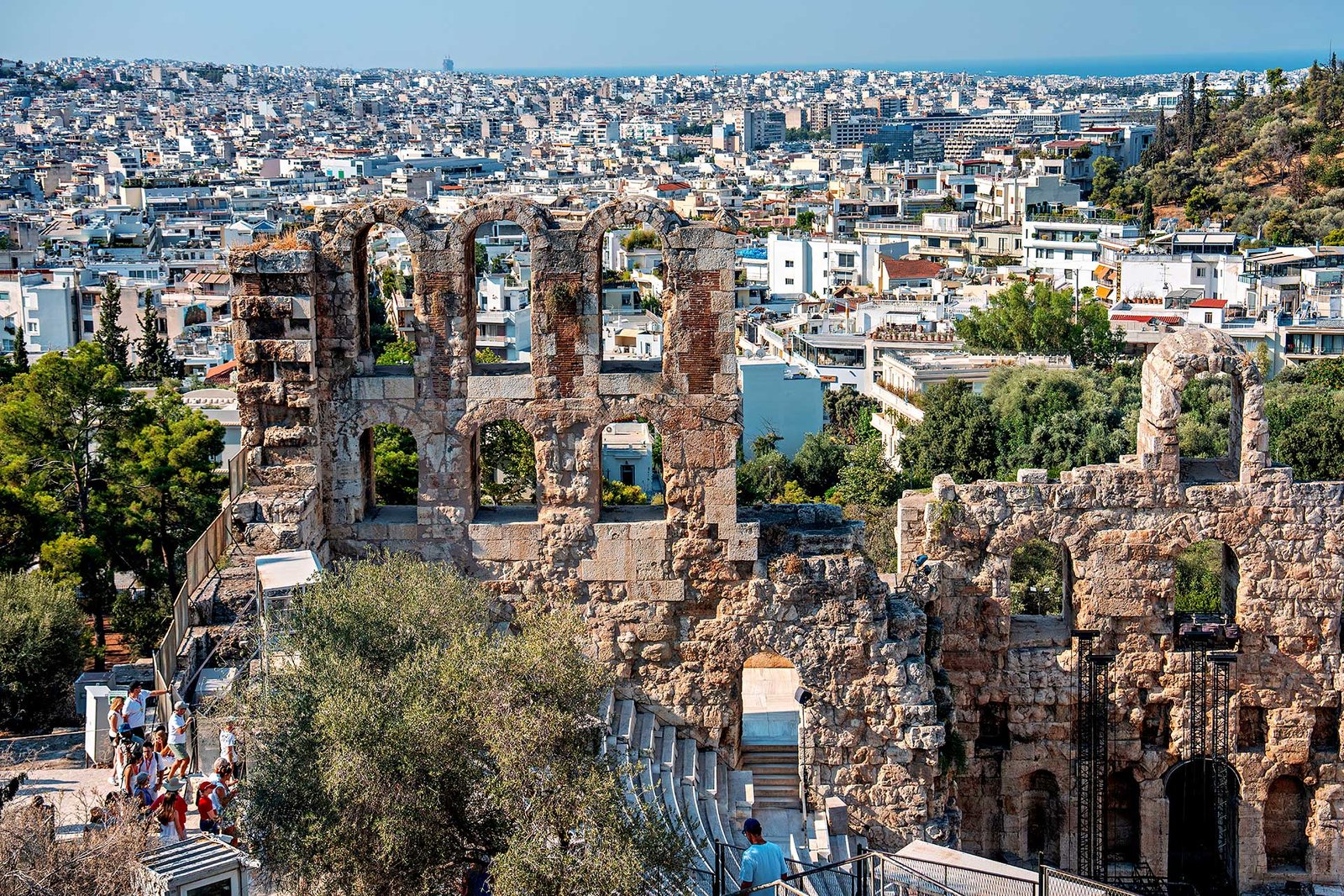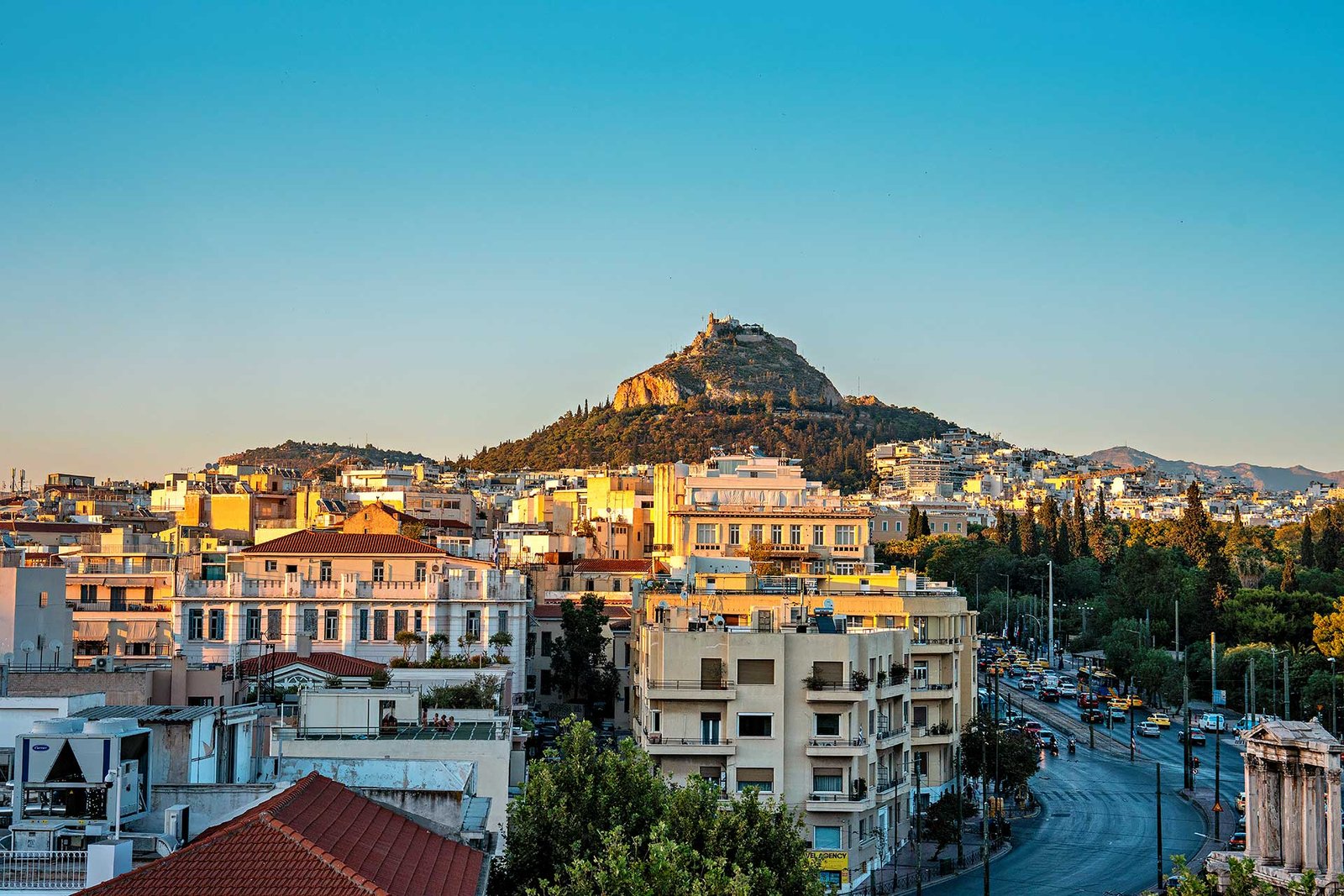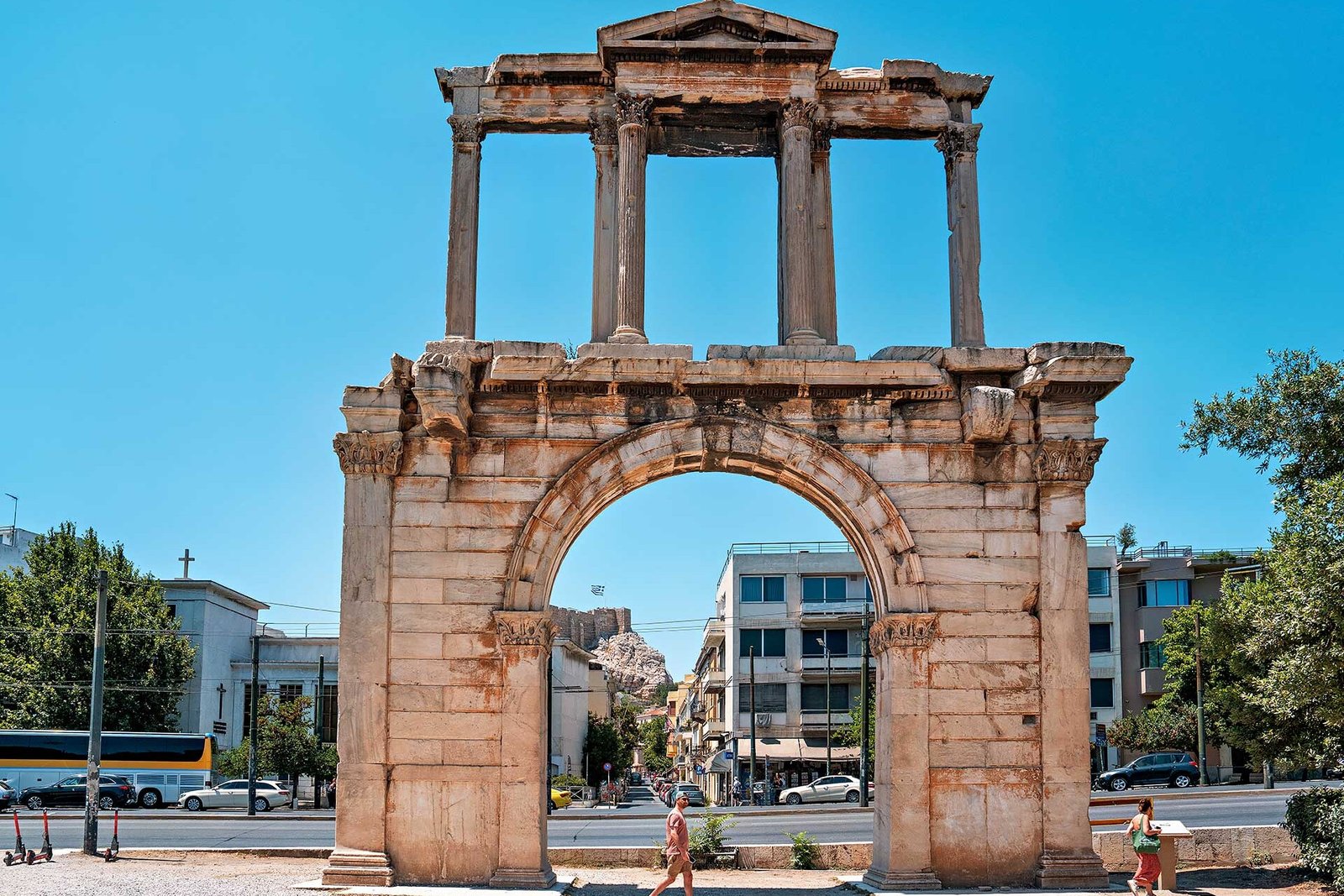

Beneath the Acropolis sits an old theater called the Theatre of Dionysus. It’s not used the way it once was, these days it’s mostly known as a cultural site, though it still hosts the occasional special event. Standing there, it’s hard to picture that this quiet place once held thousands of people at once.
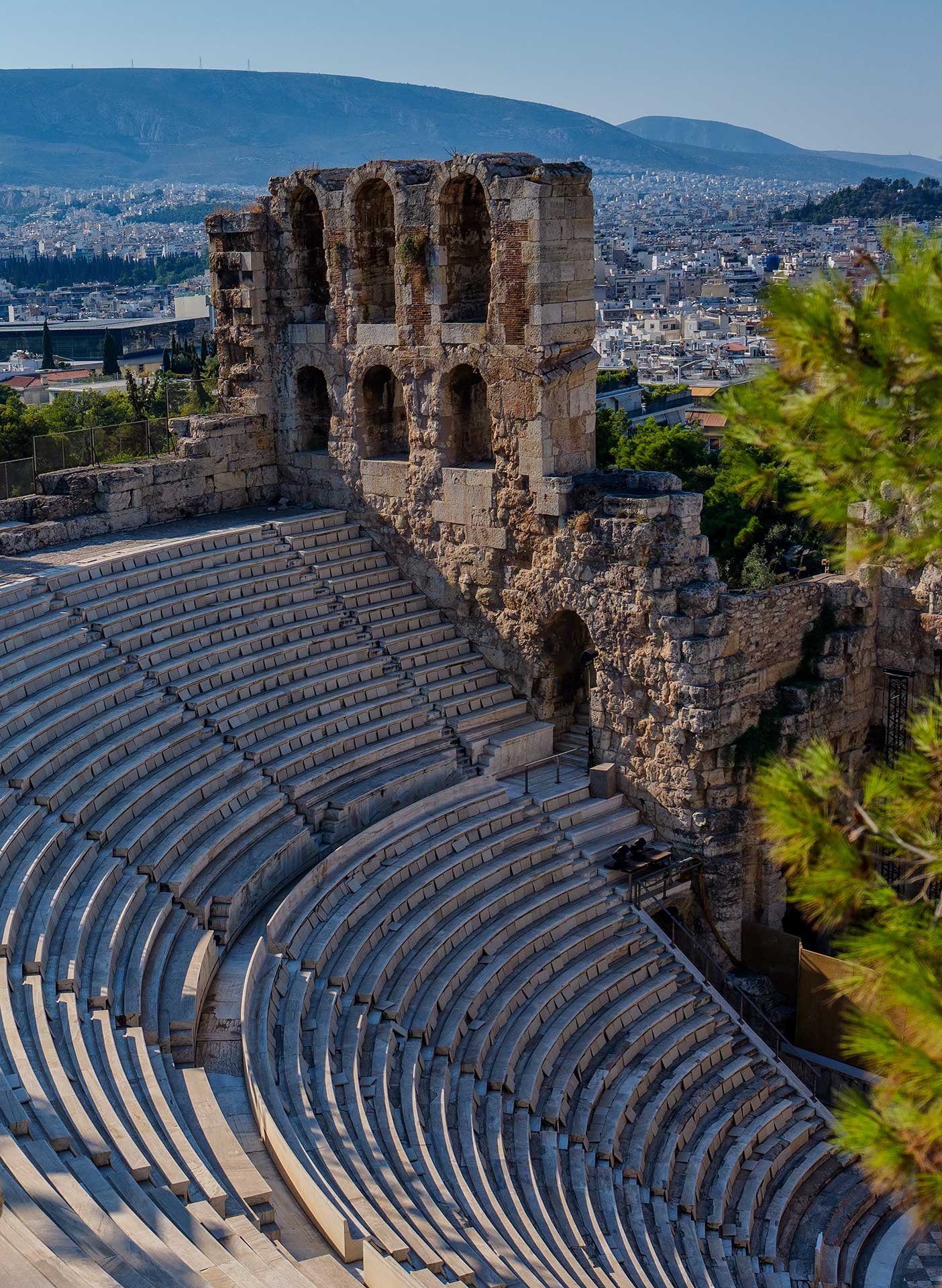
Back in the 5th century BC, Athenians came here to watch tragedies and comedies. These weren’t just entertainment. They were stories about being human, about the choices we make, our mistakes, our responsibilities, how we treat each other, and how we relate to the gods. Names like Sophocles, Aeschylus, and Euripides were staged right here, in front of somewhere between fifteen and seventeen thousand people, all sitting together on the same rocky slope I was now looking at.
The tragedies helped Athenian society think through life together, justice, human failure, pride, moral choices that were rarely simple. The theater became a place to learn through story. People came not just to watch, but to understand something about their own lives. They sat side by side, taking in stories that were often heavy and painful, and maybe it was exactly that weight that made them feel so close, so real.
The comedies did more than make people laugh, though. They taught a way of looking at life honestly but lightly, a gentle reminder that we don’t always need to take ourselves so seriously. There’s a kind of distance that comes with laughter, one that lets people step back and see themselves a little more calmly.
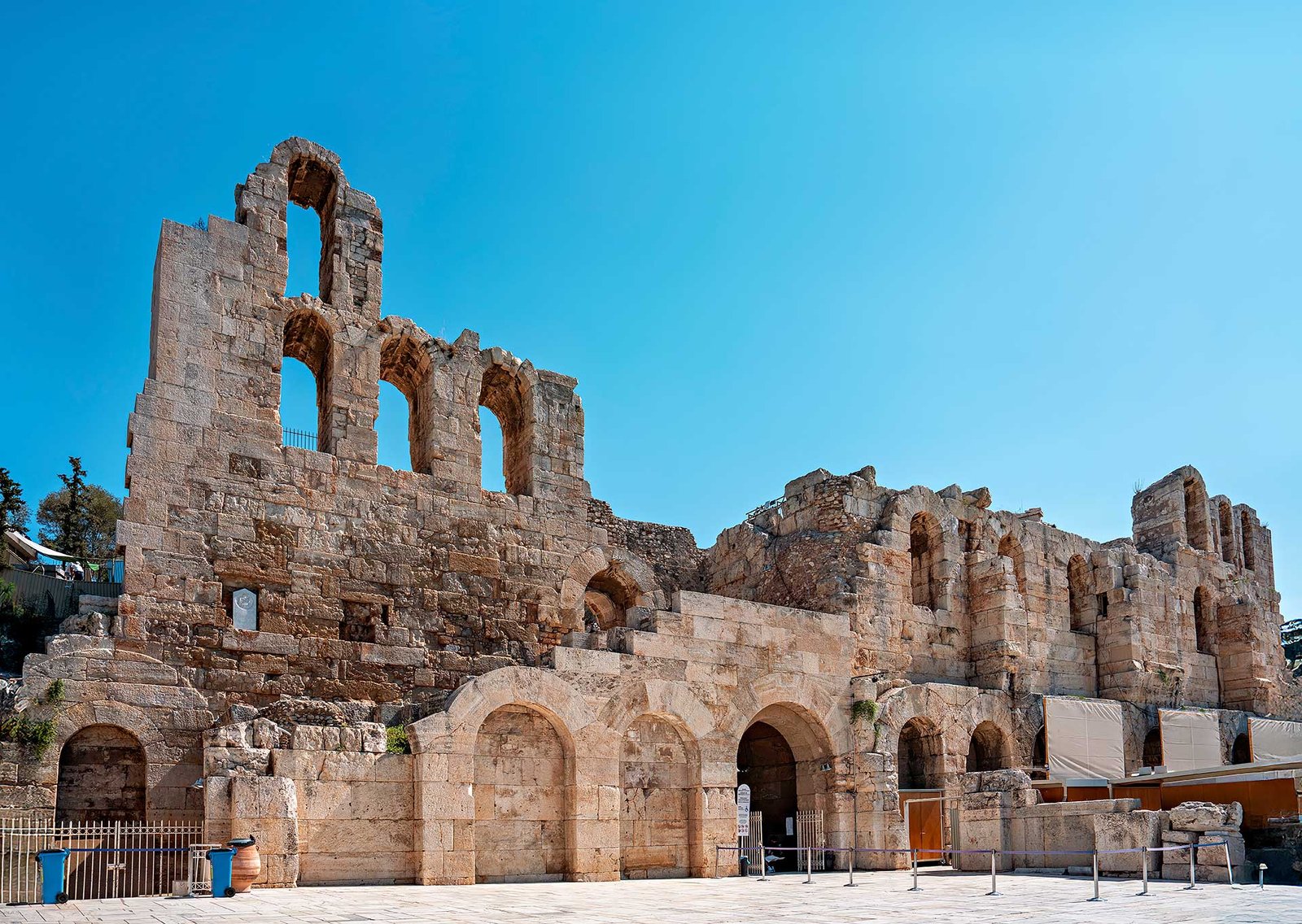
That’s part of why the theater’s location, right below the Acropolis, feels meaningful to me. Up on the hill, temples for the gods. Down below, a theater for people. As if Athens, from the very start, offered two spaces at once, one for the divine, one for making sense of human life.
Standing there, I didn’t feel like I was looking at the remains of some old building. It felt more like a memory still hanging around. I found myself imagining the people who once sat in rows along this same rocky slope, waiting for the story to begin, listening to tales about a life that was never easy to fully understand, but felt worth hearing together anyway.
And maybe that’s why this place stays with me. It’s a reminder that people have always gathered to witness stories, not just for entertainment, but to understand their own lives a little better. Standing there, I realized that traveling to a place like Athens isn’t really about big history. It’s about recognizing that people have long been searching for ways to understand themselves, through story, through gathering, through simply being together.