
Athens is not a city that feels comfortable seen in a rush. There is something in its air and its stones that makes your steps slow down on their own, as if the city were not asking you to understand everything right away.
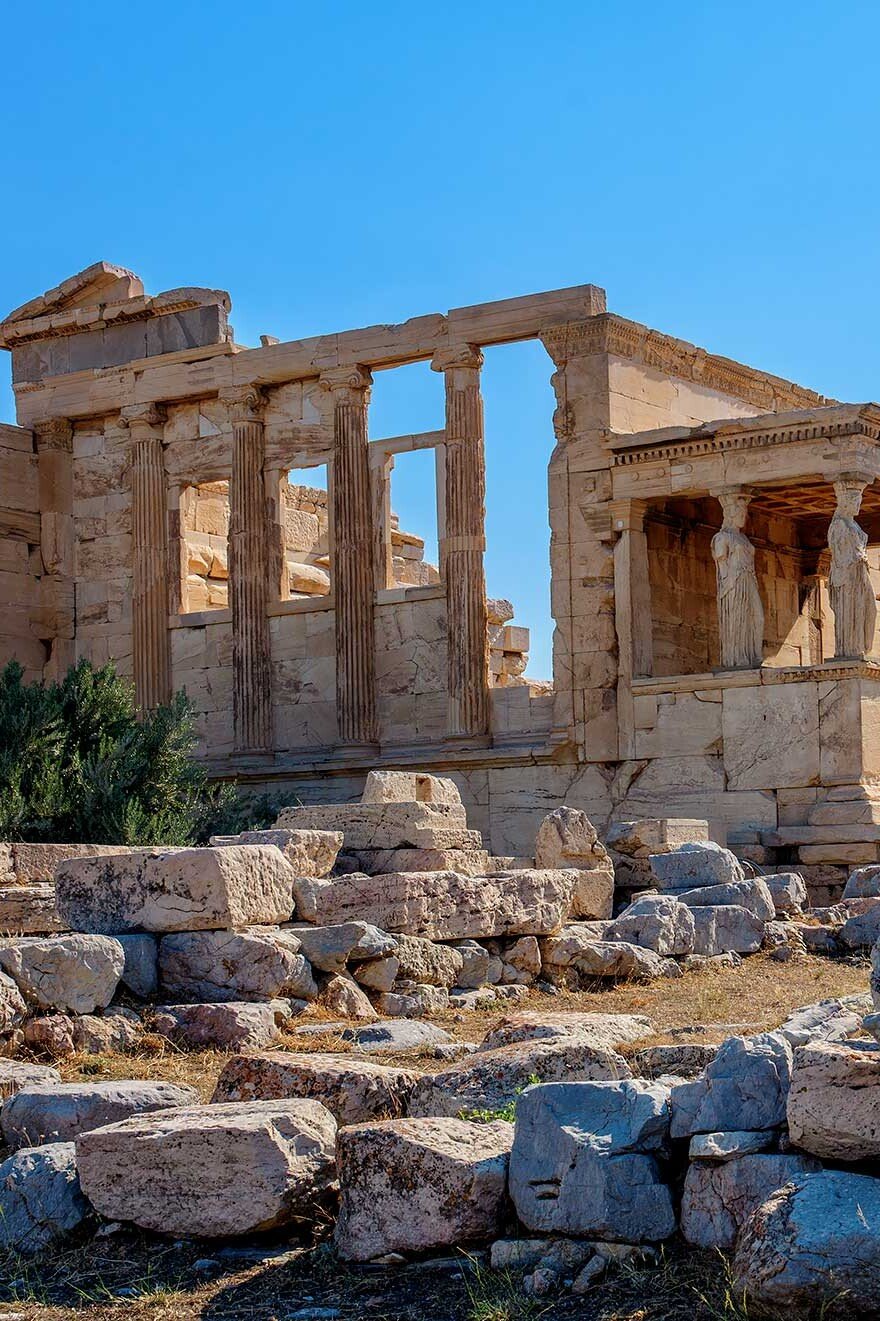
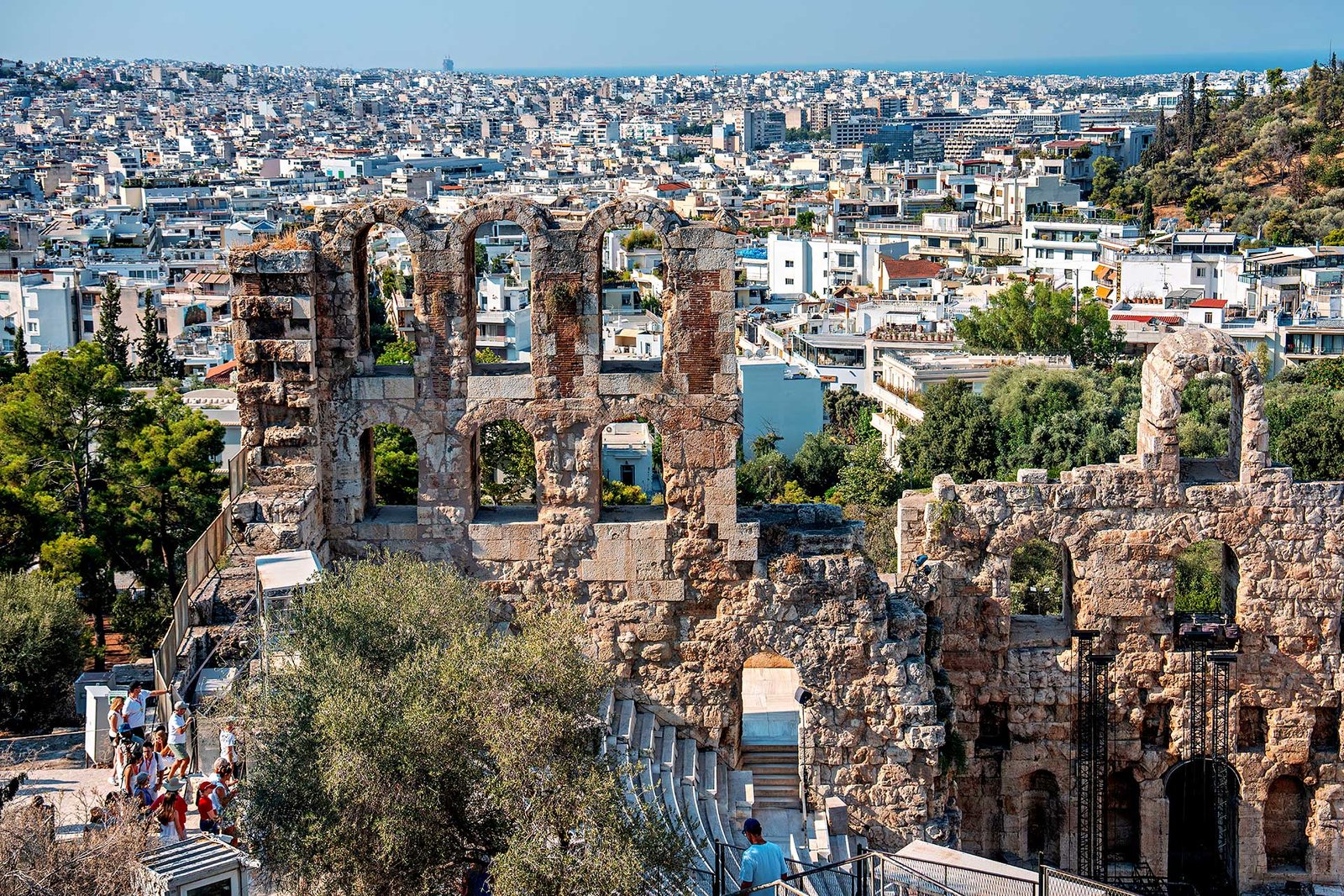
One evening I stopped at a small rooftop café called Cafe Zen, not far from the city center. From there I could see the Acropolis of Athens standing in the distance, atop its tall rocky hill. The structure looked ancient, yet also remarkably calm. From afar it did not feel like a ruin. It looked, instead, like something that had simply chosen to keep standing, patient, while the city changed around it.
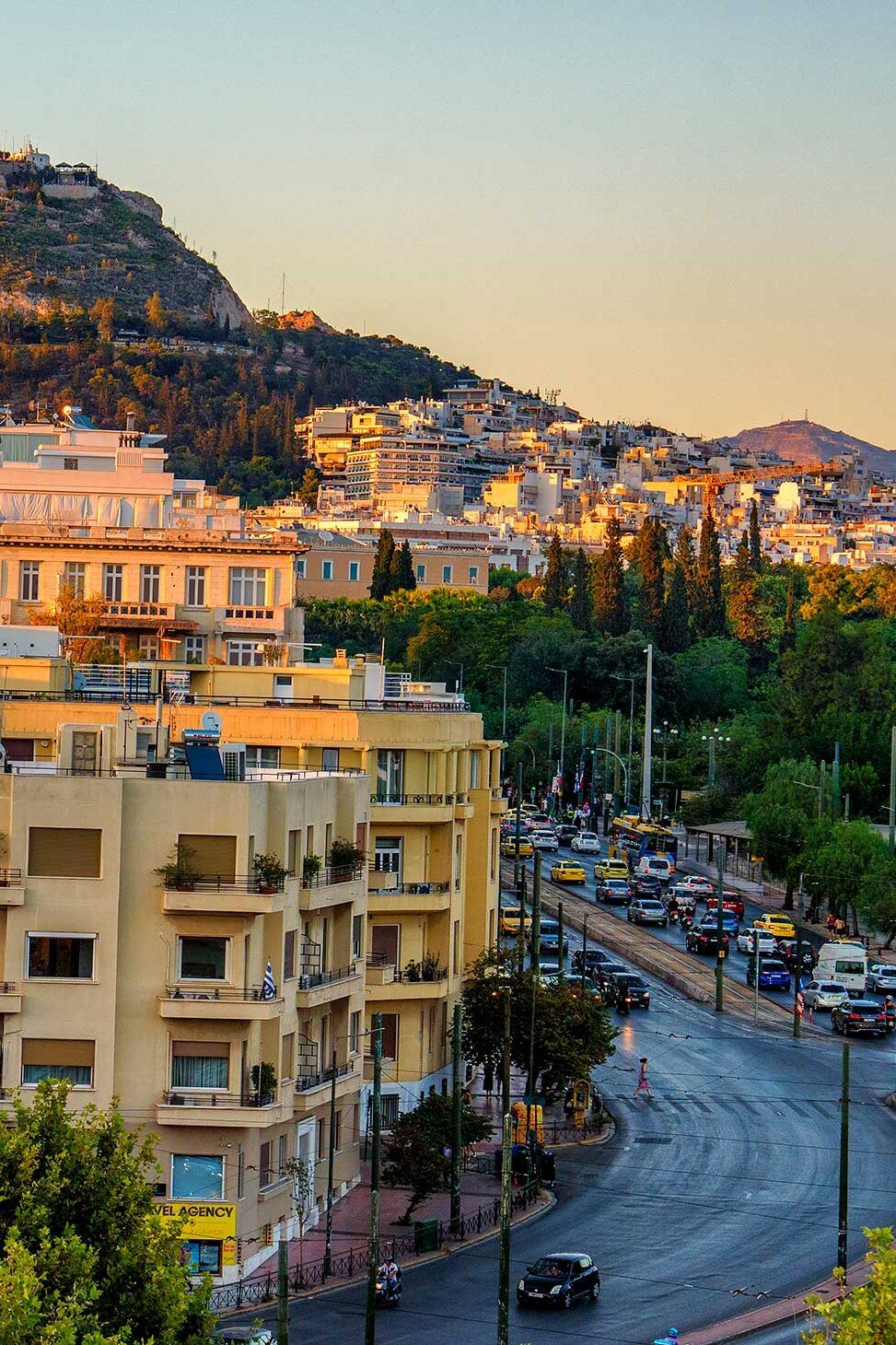
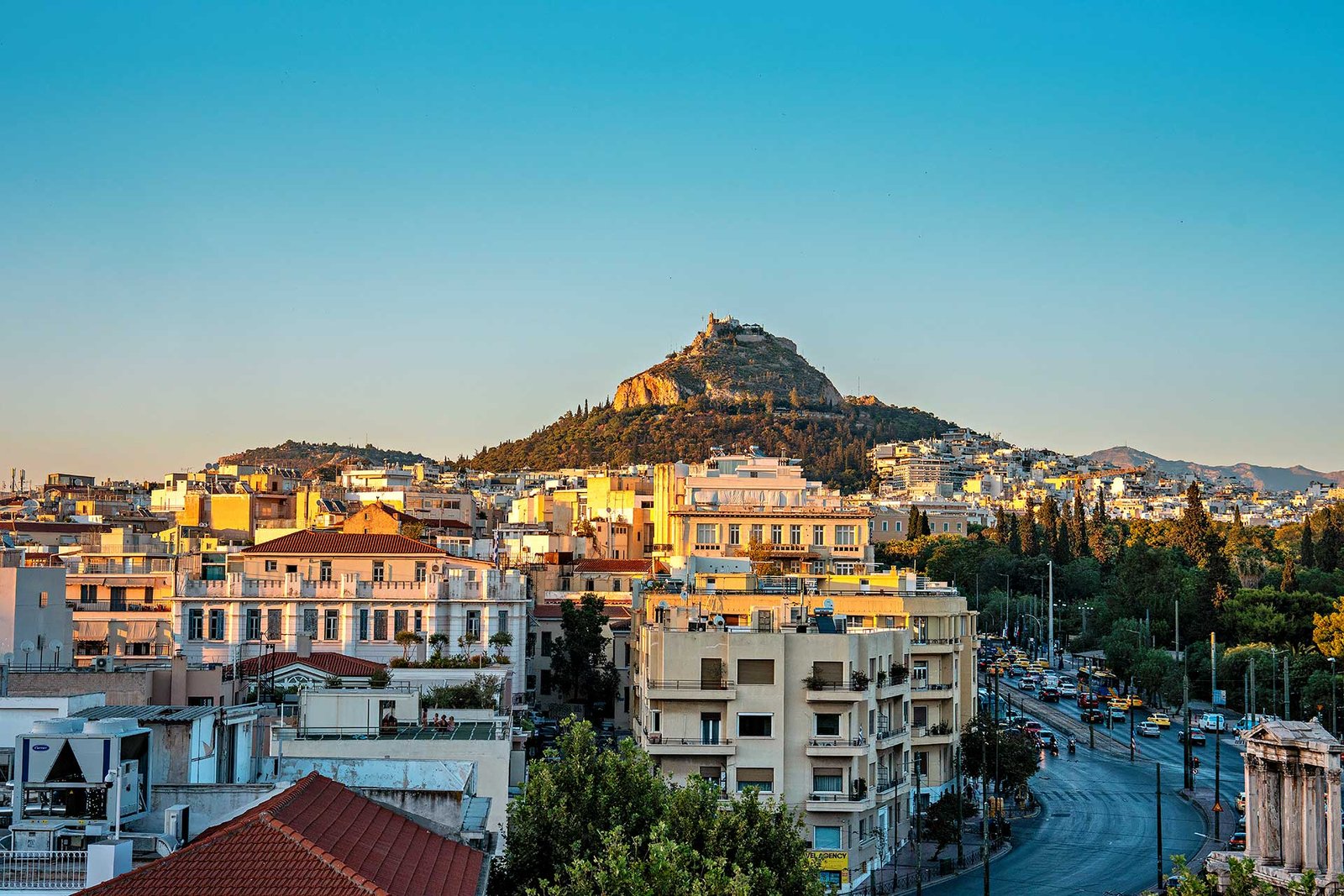
Below the hill, life carried on as usual. People walked along the narrow streets, lights began to switch on, and the murmur of conversation drifted up from the restaurants below. Above, the old structure remained silent.
It is hard to look at the Acropolis without remembering that this city was once home to thinkers like Socrates, Plato, and Aristotle. They once walked these same streets, spoke with people in public spaces, and asked questions about the most fundamental matters of human life.
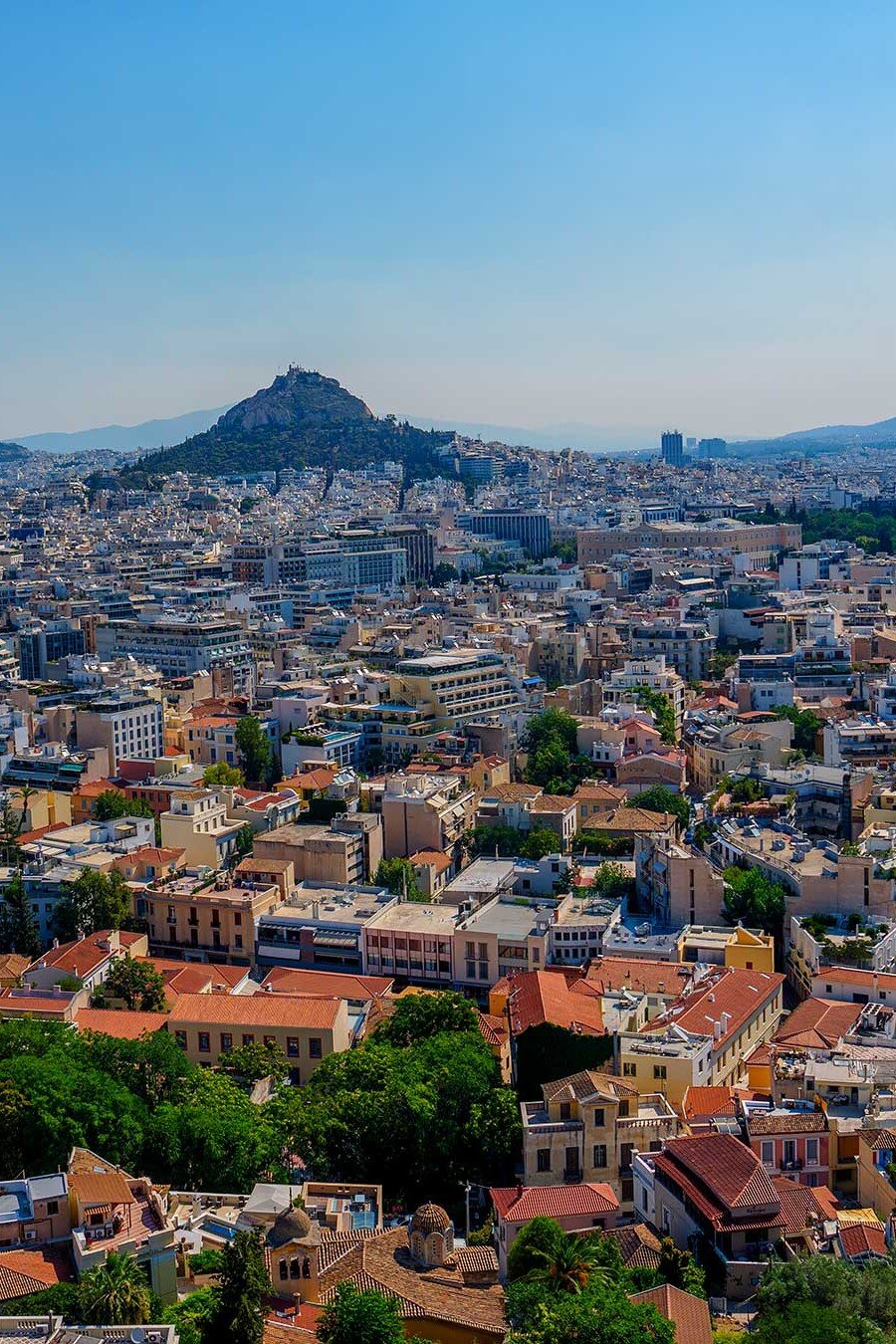
I did not come to Athens to study philosophy. But sitting in that café, watching the Acropolis from a distance, I felt something shift. It was as if this city had long been a place where people learned to speak, to listen, and to question what they believed.
As the sun began to set, the sky slowly changed color. The city grew quieter. Lights switched on, one after another, and the Acropolis remained exactly where it was.