
Athens is often called a city of history. But walking through it, I felt something different. The city feels like a long, ongoing conversation. Among the ancient buildings still standing, I imagined the people who once gathered here, arriving with different thoughts, different beliefs, and ways of seeing the world that did not always align. Not every conversation reached agreement. But the conversation continued anyway.
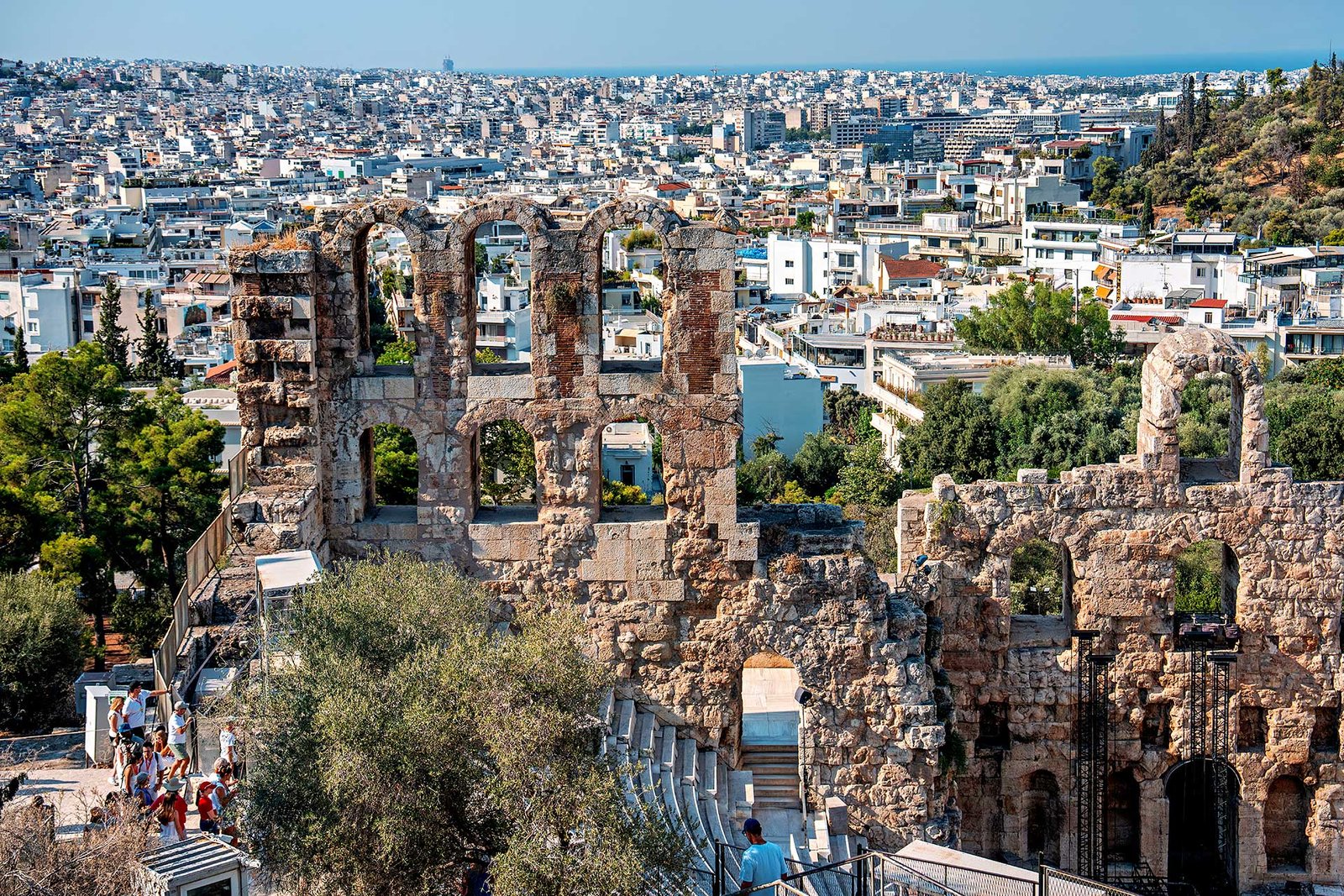
Standing at the Theatre of Dionysus, I paused to look at the rows of stone seats facing the open stage. The place was silent when I arrived, but it was easy to imagine how thousands once sat there. They came to watch the plays of ancient Greece, works by writers like Sophocles, Euripides, and Aeschylus. Those stories spoke about being human: about choice, error, hope, and fates we cannot fully understand.
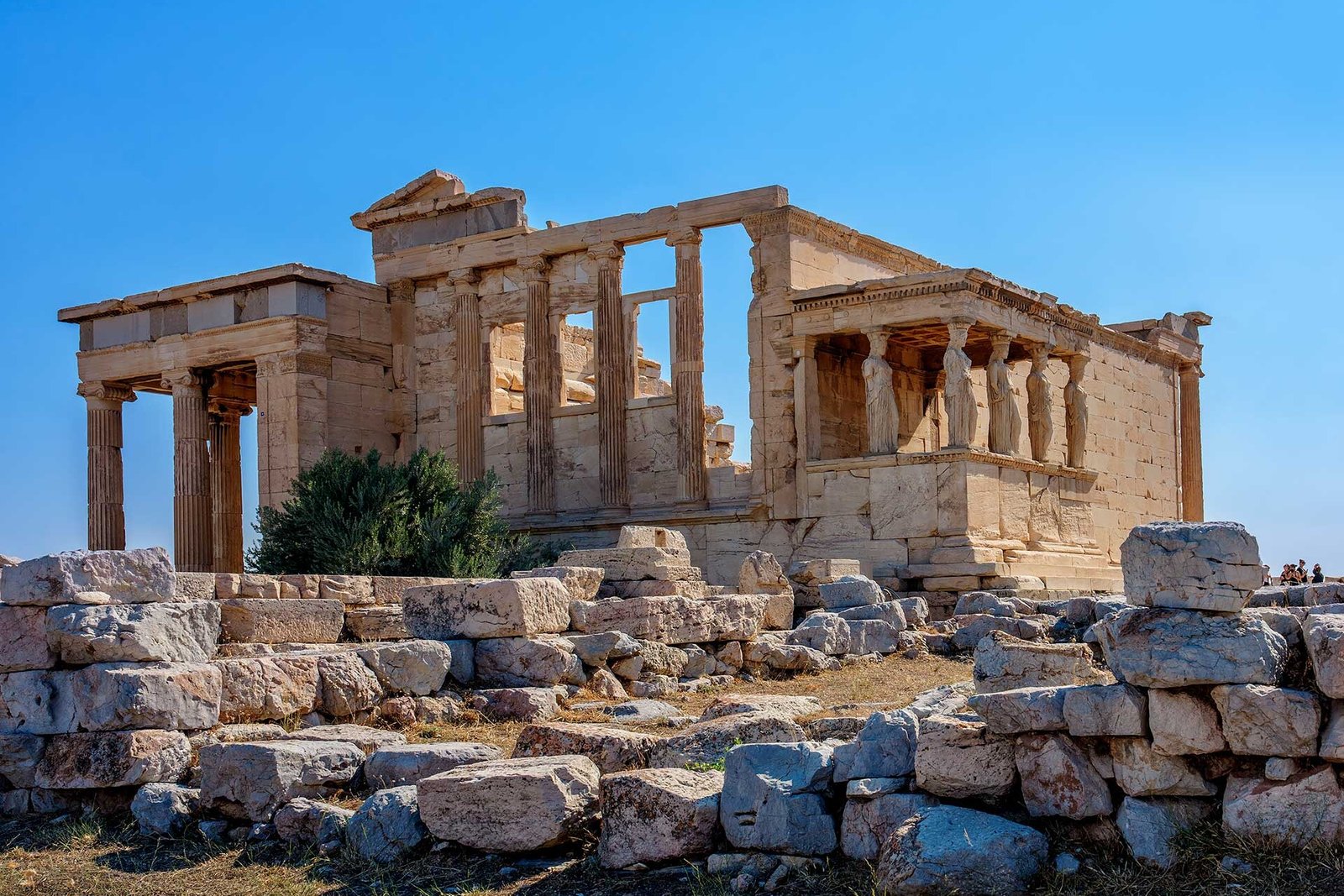
Some say human life itself is not so different from a drama. Each of us arrives with a role to play, moves through events we did not always plan, and slowly tries to make sense of it all. Perhaps that is why Greek drama still feels close to life today. It was never only about the characters on stage, but about human experience repeating itself across ages.
Looking at those stone seats facing the open stage, I imagined how people once sat together there, watching stories about people much like themselves. They may not have gone home with the same answers. But they went home with a slightly broader understanding of life.