

Below the Acropolis stands an ancient theatre known as the Theatre of Dionysus. Today, it is no longer used as it once was and is better known as a cultural site, although it is still occasionally used for special events. Yet standing there, it is difficult to imagine that this quiet place was once a gathering space for thousands of people.
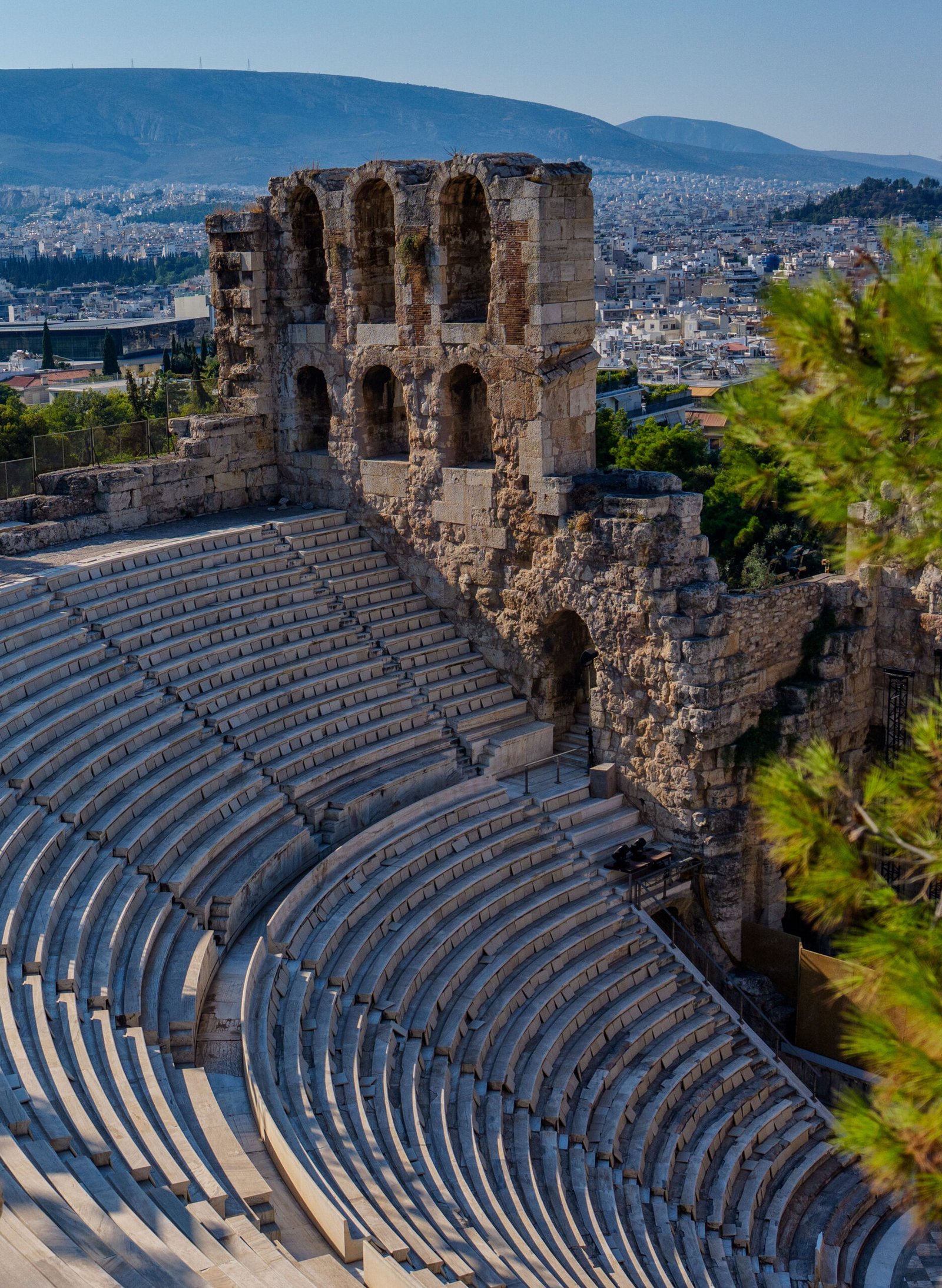
In the 5th century BCE, the people of Athens came to this place to watch tragedies and comedies. These plays were not merely entertainment, but stories about human life: about choices, mistakes, responsibility, relationships with others, and also the relationship between humans and the gods. Names such as Sophocles, Aeschylus, and Euripides were once performed here, before around fifteen to seventeen thousand spectators who sat together on the same stone slope that I now saw before me.
Tragic stories helped the people of Athens reflect on life together—on justice, human error, pride, and moral choices that were often not easy. The theatre became a place of learning through stories. People came not only to watch, but to understand something about their own lives. They sat together, witnessing stories that were sometimes heavy and painful, yet precisely because of that, they felt close and real.
Meanwhile, comedy did not only make people laugh. It taught them to look at life honestly, but lightly, as if reminding them that human beings do not always need to take themselves too seriously. In laughter, there is a certain distance that helps people see themselves again with greater calm.

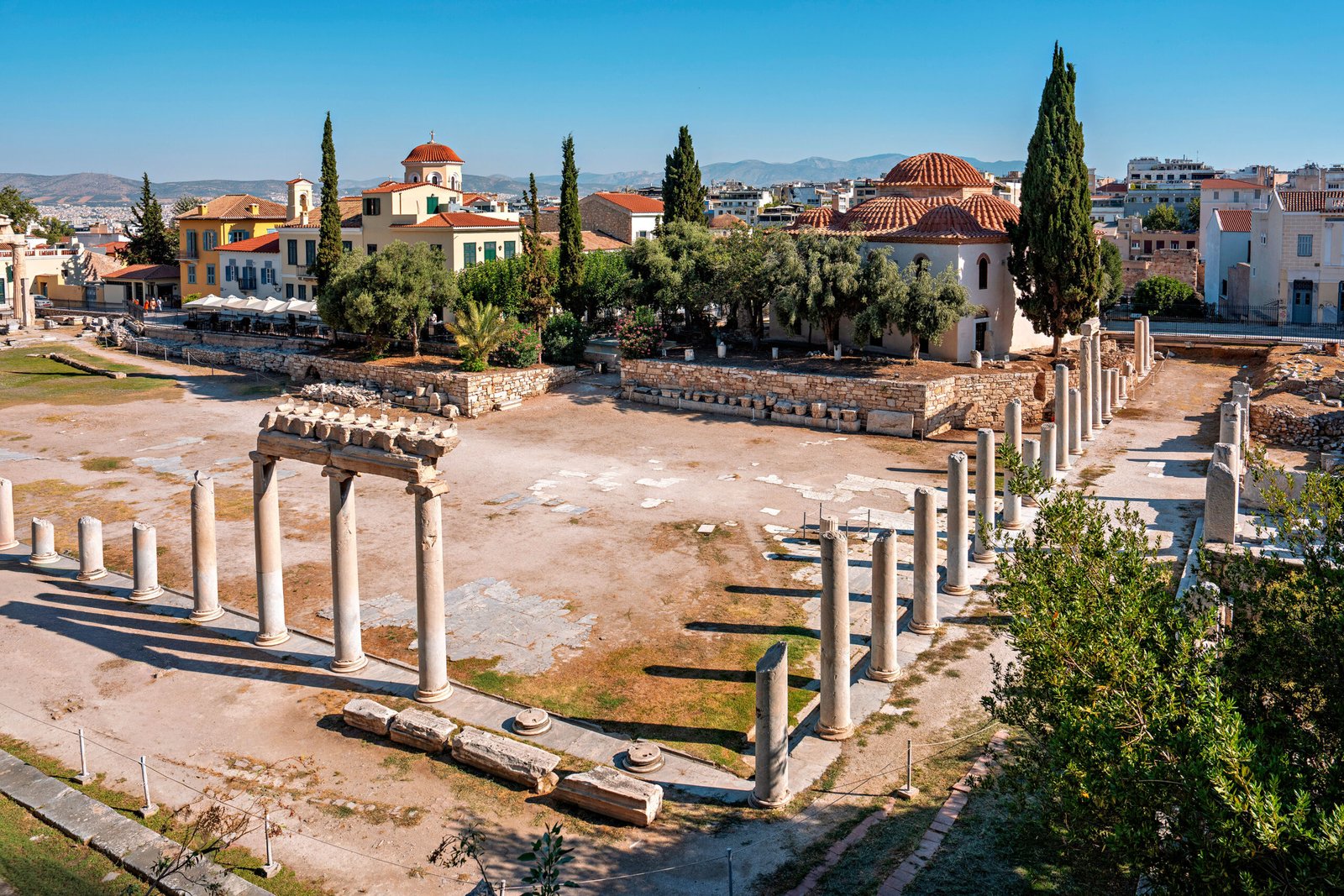
That is why the location of this theatre below the Acropolis felt meaningful to me. On the hill above stood temples for the gods, while below was a theatre for human beings. It was as if, from the beginning, Athens offered two spaces at once: a space for the divine, and a space for understanding human life.
Standing there, I did not feel as if I was merely looking at the remains of an old building. The place felt like a memory that still remained. I imagined the people who once sat in rows along this stone slope, waiting for the story to begin, listening to tales about life that was not always easy to understand, but felt important to hear together.
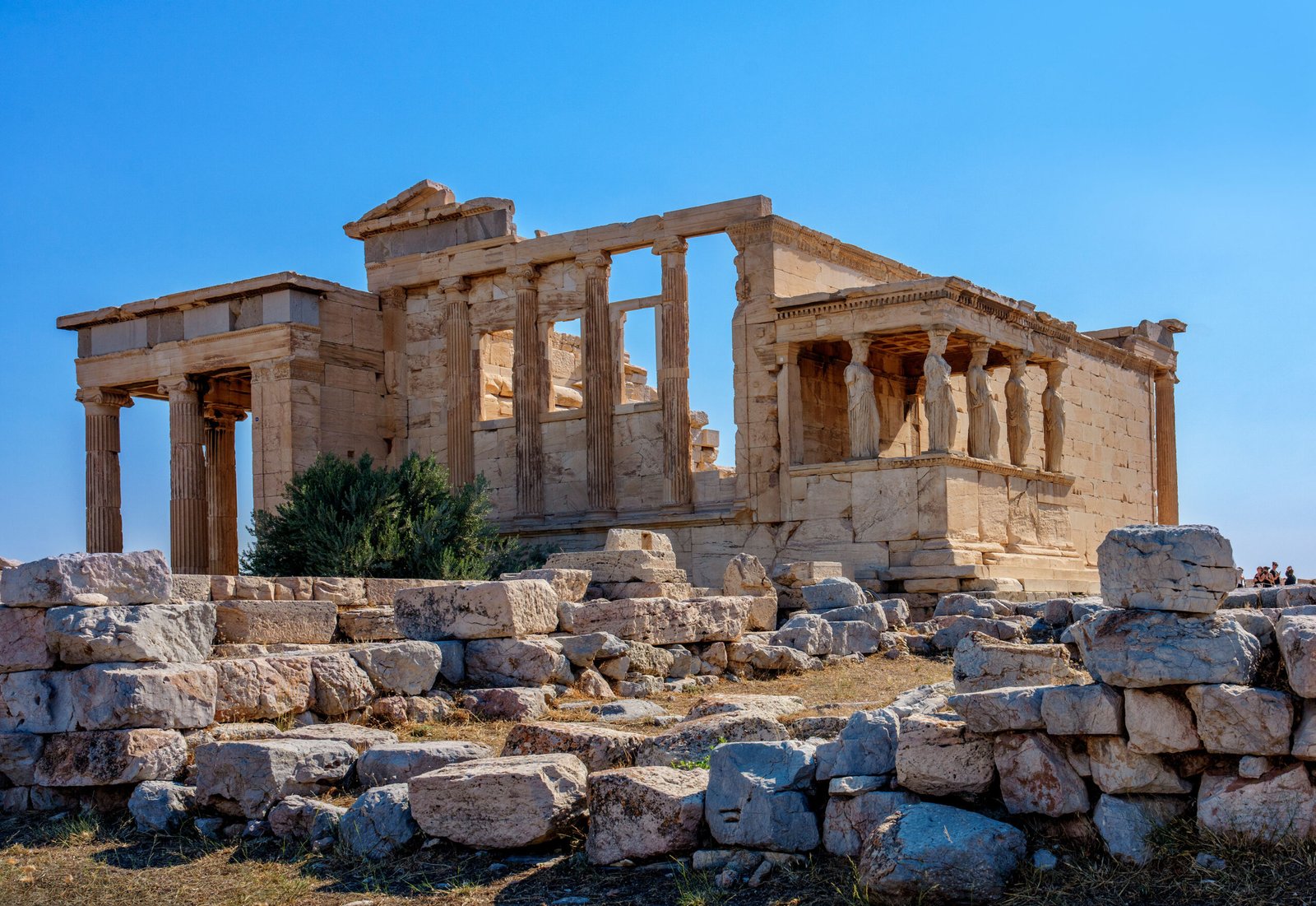
And perhaps because of that, this theatre reminded me that since ancient times, human beings have gathered to witness stories—not only for entertainment, but to understand their own lives more deeply. Standing there made me feel that a journey to a place like Athens is not only about seeing great history, but also about realizing that, for a very long time, human beings have been searching for ways to understand themselves through stories, through encounters, and through togetherness.